In the high-stakes theatre of Indian politics, the costume change from the “Vishwa Guru” (Global Teacher) in a bespoke waistcoat to the ascetic monk in a hair shirt has never been quite so jarring.
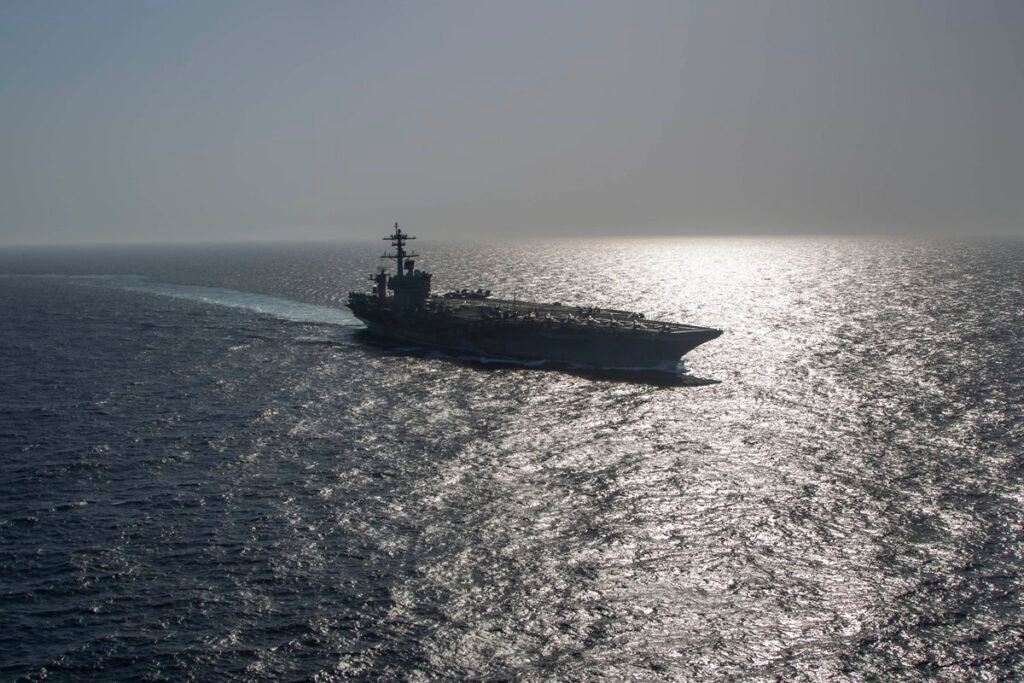
For a decade, Prime Minister Narendra Modi has sold a vision of an indomitable India—a muscular, five-trillion-dollar behemoth that had allegedly outgrown the vulnerabilities of the “Fragile Five” era. But as the fires of an Iran-centered conflict lick the edges of the Strait of Hormuz, the mask of strategic autonomy has slipped, revealing a face of frantic, and deeply hypocritical, austerity.
The numbers tell a story of a nation that spent its “peace dividend” on pageantry rather than preparation. While the Bharatiya Janata Party (BJP) machinery was busy burning millions of liters of high-octane fuel to ferry star campaigners across the heat-baked plains of West Bengal and Tamil Nadu, the structural foundations of the Indian economy were quietly rotting. Now, with the rupee cratering to a humiliating ₹95 against the greenback and the Sensex bleeding wealth like a punctured artery, Modi has emerged from the cockpit of a private jet to tell the public to stop buying gold, cook with less oil, and—in a touch of unintended irony—return to work-from-home to save on petrol.
The 74-Day Mirage
Advertisement
The government’s primary defense against energy blackmail has long been its Strategic Petroleum Reserves (SPR). For years, New Delhi has boasted of its “fortress” capacity. However, a cold comparison with its neighbor to the north exposes the hollow nature of this bravado. India’s reserves hold enough crude to sustain the country for roughly 74 days—a figure that includes volumes held by oil companies. China, by contrast, has spent the last decade quietly hoarding a hoard that exceeds 180 days.
In a modern total-war scenario or a prolonged blockade of the Persian Gulf, India is effectively a sprinter with one lung. The strategic neglect is staggering. Instead of utilizing the era of cheap Russian crude to aggressively expand underground salt caverns and storage tanks, the administration prioritized short-term fiscal optics. India is now discovering that you cannot fill a strategic gap with slogans. The “Atmanirbhar” (Self-Reliant) dream is currently being held hostage by a few dozen Iranian fast-attack boats and the insurance premiums of Lloyd’s of London.
The Great Election Burn
The hypocrisy of the Prime Minister’s “austerity sermon” is not merely a matter of bad timing; it is an affront to the intelligence of the electorate. Only weeks ago, the Indian sky was thick with the soot of political ambition. Thousands of chartered flights, fleets of fuel-guzzling SUVs idling in 45°C heat to keep air conditioners humming for minor functionaries, and massive LED screens consuming enough electricity to power small districts—this was the BJP’s “war footing.”
The party campaigned as if the treasury were bottomless and the environment irrelevant. Yet, the moment the final ballot was cast and the geopolitical bill arrived, the narrative shifted from “India Rising” to “India Rationing.” The Prime Minister’s request for citizens to curtail travel and “conserve every drop” sounds less like statesmanship and more like a spent reveler lecturing his creditors on the virtues of thrift. To ask a commuter on a crowded Mumbai local train to sacrifice their mobility while the ruling party’s motorcades continue to clog the arteries of the capital is a disconnect that even the most sophisticated PR machinery cannot bridge.
Gold: The Last Hedge of the Betrayed
Perhaps the most culturally tone-deaf element of the government’s panic is the appeal to stop buying gold. In the Anglo-American world, gold is a “barbarous relic” or a speculative asset for doomsday preppers. In India, gold is the only honest ledger left.
For the Indian middle class and the rural poor, gold is not a luxury; it is a vote of no confidence in the state’s ability to manage the currency. Households hold an estimated 25,000 tons of the metal precisely because they remember the devaluations of 1966, 1991, and now, 2026. When the rupee hits ₹95, the intrinsic value of a gold bangle in a village in Vidarbha remains constant, while the paper promises of the Reserve Bank of India evaporate.
By asking Indians to shun gold, Modi is asking them to trust a government that has overseen a nearly 100 percent depreciation of the currency since 2014. It is an invitation to financial martyrdom. If the government had demonstrated a decade of prudent fiscal management and energy diversification, the appeal might have carried weight. Instead, it sounds like a gambler asking his family to sell the jewelry to cover his latest losses at the track.
The Five-Trillion Dollar Mirage
The math of the “Five-Trillion Dollar Economy” was always heroic, requiring a sustained 8% growth rate. That math has now collided with the physics of a $100 barrel of oil. India imports 85% of its crude. For every dollar the price of oil rises, India’s import bill swells by roughly ₹10,000 crore. At ₹95 to the dollar, that bill is not just an economic challenge; it is a sovereign crisis.
The tragedy of the current moment is that the crisis was foreseeable. The “multi-alignment” policy—trying to be friends with everyone from Tehran to Tel Aviv—was praised as masterful diplomacy. In reality, it was a hedge that failed to produce a single reliable energy security pact that could survive a regional conflagration. India’s distancing from Iran to appease Washington has left it without the “friendship prices” it now desperately needs, while its reliance on the Strait of Hormuz remains absolute.
The Cost of Competence
For ten years, the BJP’s brand has been built on the image of the “Strongman”—the decisive leader who tames chaos. But strength without foresight is merely volatility. The sight of the Prime Minister urging citizens to return to Zoom calls and use less cooking oil is the ultimate admission that the “Strongman” has no levers left to pull.
As the markets continue their tumble and foreign institutional investors flee for the safety of the dollar, the political fallout is beginning to crystallize. The tension between Home Minister Amit Shah and UP Chief Minister Yogi Adityanath suggests a party that is beginning to cannibalize itself under the pressure of economic failure. The 2029 election, once seen as a coronation for a fourth term, now looks like a desperate rearguard action.
India is a country of immense resilience, but that resilience is being tested not by external enemies, but by internal hubris. The “Vantage News” report of May 12, 2026, will likely be remembered as the moment the music stopped. The sermon of austerity has been delivered, but the congregation is looking at the preacher’s private jet and realizing they have been sold a dream that the dreamer himself didn’t believe in.
In the end, tone becomes reality. The tone of the Modi era was one of limitless abundance and inevitable greatness. The new tone—one of scarcity, sacrifice, and suspicion of the very gold that protects the poor—is a confession. India is vulnerable, the reserves are thin, and the bills of a decade of strategic vanity have finally come due.
Disclaimer: The opinions and views expressed in this article/column are those of the author(s) and do not necessarily reflect the views or positions of South Asian Herald.