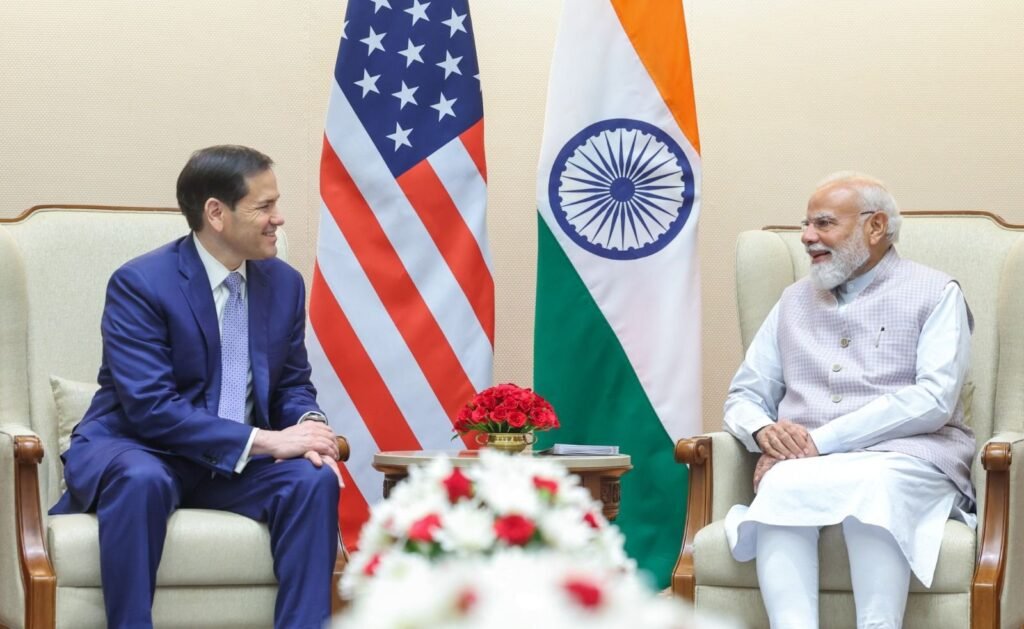
When Marco Rubio told reporters before his India visit that Washington wanted to sell India “as much energy as they’ll buy,” it was more than a commercial pitch. It was a geopolitical message wrapped in the language of energy security.
Rubio’s discussions with Narendra Modi in New Delhi came at a moment when the Iran conflict has once again exposed the dangerous fragility of the global energy system. Oil markets are nervous, shipping routes through the Strait of Hormuz remain vulnerable, and Asian economies — especially South Asia — are confronting a hard truth: their economic futures are still tied to energy corridors they cannot control.
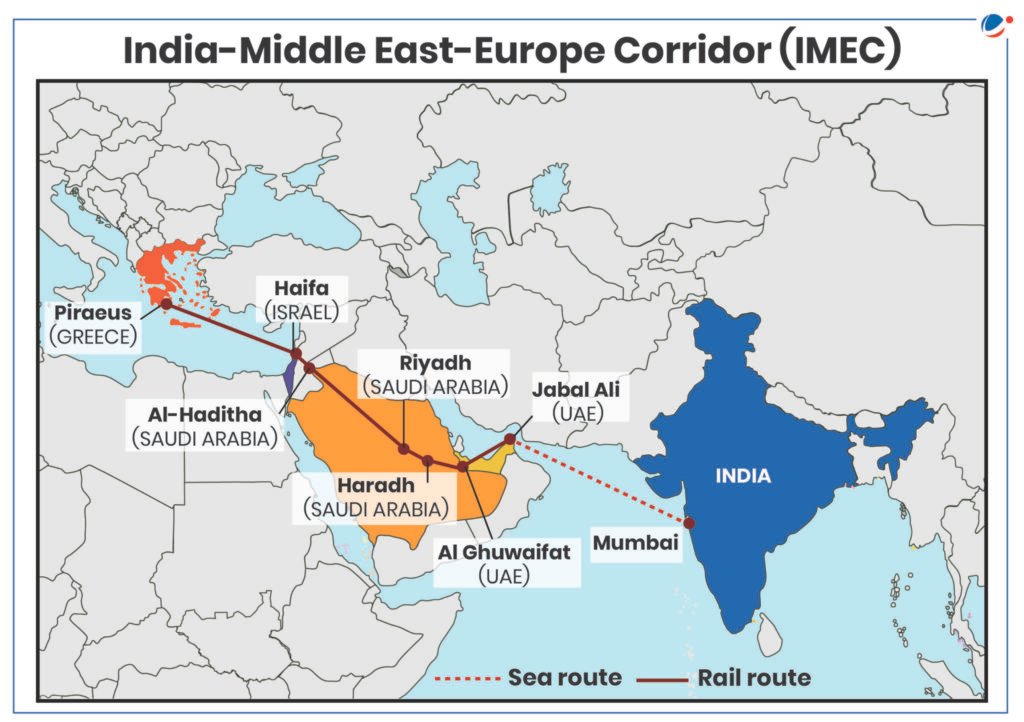
For India, the timing of Rubio’s offer is significant. New Delhi has spent the past few years diversifying away from excessive Gulf dependence by buying discounted Russian crude, expanding strategic reserves, and accelerating renewable energy. Yet India still imports the majority of its oil, much of it moving through one of the world’s most volatile maritime chokepoints.
Washington sees opportunity in that vulnerability.
Advertisement
American LNG and crude exports are increasingly being positioned not merely as trade, but as strategic alternatives to unstable Gulf supplies. Energy is becoming the new diplomatic currency between India and the United States. The message from Washington is clear: buy American energy, reduce geopolitical risk, and deepen strategic alignment with the US-led order.
But the larger crisis extends well beyond India.
Across South Asia, the energy shock is beginning to resemble an age of austerity. Governments are quietly asking citizens to consume less, travel less, cool less and expect less.
Pakistan has experimented with four-day work weeks and reduced fuel allocations. Bangladesh shortened office hours, restricted decorative lighting and imposed fuel-saving directives. Sri Lanka, still haunted by the fuel queues of its economic collapse, has revived rationing-style systems to prevent panic buying.
Elsewhere in the world, the measures sound equally dramatic. South Korea has advised citizens to limit the use of energy-intensive appliances. Thailand urged workers to avoid suits and ties to reduce air-conditioning demand. Japan dimmed neon districts and raised indoor temperature limits. Europe is once again debating subsidies, conservation campaigns and industrial energy cuts.
This is not temporary inconvenience. It is the beginning of a structural shift.
The old assumption that globalization guarantees uninterrupted energy flows is collapsing in real time. A conflict in West Asia now influences electricity prices in Dhaka, transport costs in Colombo, inflation in Karachi and fertilizer availability across the Indo-Gangetic plains.
South Asia is particularly exposed because it imports vulnerability while lacking the financial buffers of the West. Wealthier economies can absorb shocks through subsidies and strategic reserves. Developing economies resort to austerity because they have fewer choices.
And austerity carries political risks.
Fuel inflation quickly spreads into food prices, transportation costs and industrial slowdown. Public frustration rises quietly before turning political. Sri Lanka’s collapse in 2022 demonstrated how energy shortages can evolve into a crisis of governance itself.
India is better positioned than its neighbors, but not immune. The country’s scale, diversified sourcing strategy and growing renewable capacity provide resilience, yet prolonged disruptions in Hormuz would still hurt growth and inflation.
That reality explains why Rubio’s energy diplomacy matters.
The US is no longer simply offering oil and gas. It is offering strategic insurance against instability. India, meanwhile, is trying to balance competing realities — maintaining ties with Gulf suppliers, preserving Russian imports, strengthening American partnerships and accelerating clean energy at home.
The long-term lesson from this crisis is becoming unavoidable. Energy security can no longer depend entirely on imported fossil fuels shipped through conflict zones.
For South Asia, the future may depend less on the next tanker arriving from the Gulf and more on how quickly the region invests in renewables, battery storage, electric mobility and regional power integration.
Because the next global energy crisis may not just raise fuel prices. It may redefine political stability itself.