Join WhatsApp Channel

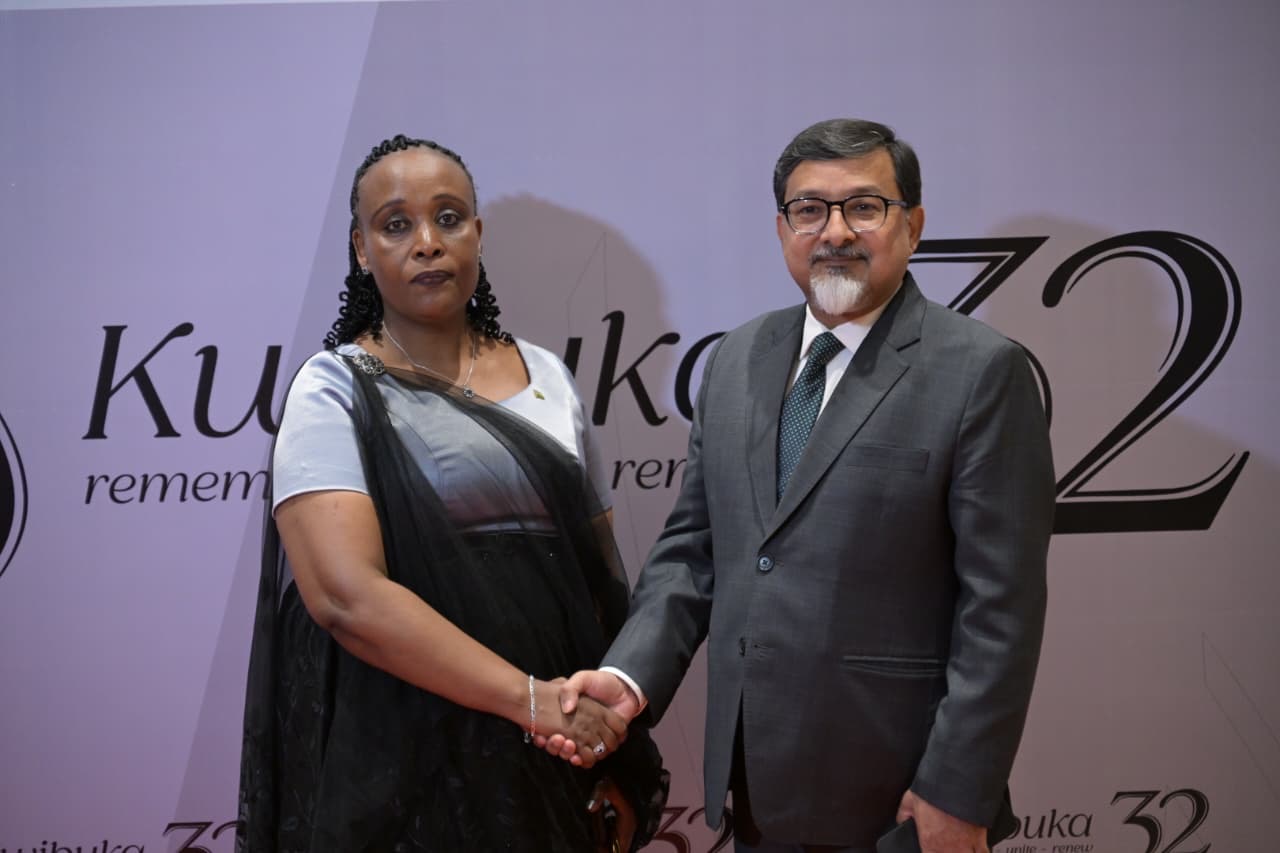
On a quiet morning in the capital, grief and resolve shared the same space. India joined Rwanda and the United Nations this week in commemorating the victims of the 1994 Genocide against the Tutsi—an event that, even after 32 years, continues to cast a long shadow over the global conscience.
The ceremony, organized by the Rwandan Embassy in collaboration with the UN system in India, brought together diplomats, students and scholars in a moment that was as much about remembrance as it was about warning.
Between April and July 1994, more than one million people were killed in Rwanda in what remains one of the fastest and most brutal genocides in modern history. The killings were not spontaneous. They were orchestrated—fueled by propaganda, sustained discrimination and the slow, dangerous normalization of hate.
That reality hung heavily in the room.
The commemoration forms part of Kwibuka—“to remember” in Kinyarwanda—a global observance that goes beyond mourning. It asks uncomfortable questions: how does such violence take root, and why does the world so often fail to act in time?
For India, the answers lie partly in multilateral responsibility. Sudhakar Dalela, Secretary (Economic Relations) at the Ministry of External Affairs, framed remembrance as a forward-looking obligation. He reiterated India’s solidarity with Rwanda and emphasized the need for stronger international cooperation to prevent such atrocities, pointing to dialogue, early warning systems and collective action as essential tools in a fractured global order.
Yet it was not policy language that defined the morning—it was memory.
Standing before the audience, Jacqueline Mukangira did not speak as a diplomat first, but as a survivor.
“What I am telling you is not what I read in books—it is what I lived,” she said, her voice steady but carrying the weight of personal loss. She described a reality where nearly 10,000 people were killed each day over 100 days. Among them were her father and four siblings.
In that moment, the genocide ceased to be a statistic. It became intimate.
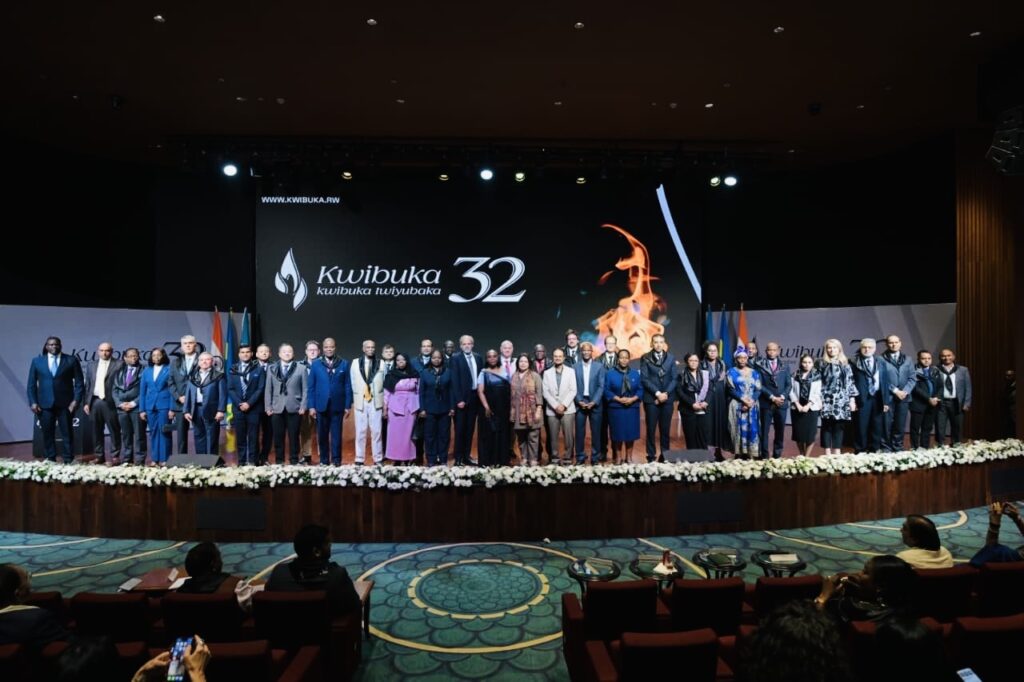
Mukangira’s testimony underscored a truth often lost in historical recounting—that genocide is experienced in fragments: a missing voice at the dinner table, a home that no longer exists, a future abruptly erased. Survivors like her carry not only grief, but also the burden of remembrance.
And remembrance, she insisted, must lead somewhere.
Addressing students in the audience, she urged vigilance against the early signs of division—hate speech, discrimination, the quiet acceptance of “othering.” These, she warned, are not minor fractures in society; they are the fault lines along which violence eventually erupts.
Her words echoed a broader lesson that Rwanda’s history has come to represent globally: genocide does not begin with weapons. It begins with ideas.
The 1994 tragedy also exposed the limitations—and failures—of the international system. The United Nations, despite having a presence on the ground, was unable to prevent the killings. That failure continues to inform global debates on humanitarian intervention, responsibility to protect, and the political will required to act before crises spiral beyond control.
Three decades on, Rwanda itself stands as a complex testament to resilience. Under President Paul Kagame, the country has pursued a path of reconciliation and reconstruction, attempting to rebuild a society once torn apart by ethnic violence. Its progress—economic, institutional and social—has often been cited as evidence of what determined nation-building can achieve after catastrophe.
But even Rwanda’s recovery does not soften the core message of the genocide. If anything, it sharpens it.
The ceremony in New Delhi closed not with finality, but with a quiet, shared understanding: remembrance is not passive. It demands vigilance. It requires education. It insists on confronting uncomfortable truths about how societies fracture—and how easily indifference can enable violence.
As the world continues to grapple with rising polarization and identity-based conflicts, the memory of Rwanda feels less like history and more like a warning still unfolding.
Genocide anywhere, the speakers reminded the gathering, is a threat to humanity everywhere. And memory—if it is to matter at all—must become action.
Related posts:
 Reliance Foundation and UN India Host ‘Early Warning to Early Action’ Convention in Odisha
 South Asian Hindu Americans Protest Near the White House Demanding Justice for Hindus in Bangladesh
 Global Tributes Mark 40th Anniversary of Air India Flight 182 Bombing
 From Gallipoli to Perth: Indian Veterans Draw Applause at ANZAC Day Parade