Iran on Wednesday said it would come to the negotiating table in Islamabad only if the United States ends its naval blockade of the Iranian ports, calling it a violation of the ceasefire. At the same time, Tehran mocked the extension of the truce by US President Donald Trump, with a senior Iranian adviser stating that “the losing side cannot dictate terms,” describing the move as meaningless and a possible attempt to buy time for further escalation.
This comes as Trump extended a ceasefire with Iran until Tehran submits a revised proposal with conditions for ending the war and negotiations conclude, keeping diplomatic channels open while maintaining pressure on Tehran.
Tehran remains skeptical, citing shifting US demands, while tensions rise and uncertainty surrounds the peace negotiations.
However, Trump remains adamant that the US naval blockade of Iranian ports will remain in place. Iran has reiterated that it will not negotiate under the “shadow of threats” or while restrictions remain, underscoring the fragility of the truce.
Advertisement
Meanwhile, Iran has set a condition for returning to the negotiating table in Pakistan to end the war. Iran’s United Nations (UN) envoy, Amir Saeid Iravani, said that negotiations will be held in Pakistan’s capital once the United States ends its blockade of Iranian ports. He blamed America’s “excessive demands, unreasonable and unrealistic expectations, frequent shifts in positions, and continuous contradictions” for Iran’s refusal to join the negotiations.
In a statement to Iranian media outlets IRNA and Tasnim News Agency, Iravani said, “As soon as Washington ends the naval blockade, I think the next round of negotiations will be held in Islamabad. The United States must halt its violation of the ceasefire before any new round of negotiations. We have not been the initiator of military aggression. If they seek a political solution, we are ready. If they seek war, Iran is ready for that as well. When that happens, the next round of negotiations will take place in Islamabad.”
He warned, “If the US wants a political solution, we are ready. If they want war, then Iran is also ready.”
Additionally, Mahdi Mohammadi, a senior adviser to Iranian Parliament Speaker Mohammad Bagher Ghalibaf, mocked the US, saying the ceasefire extension means “nothing” because the “losing side cannot dictate terms.”
He described the extension as a ploy “to buy time for a surprise strike.” Iran has also expressed doubts about the ceasefire talks, suggesting it could be a “ploy for surprise strikes” against the country.
The Islamic Revolutionary Guard Corps (IRGC) said oil production across the Middle East could be targeted if attacks are launched from Gulf territory.
An adviser to Iran’s parliamentary speaker said the ceasefire extension could be a “ploy to buy time” for potential military escalation. Foreign Minister Abbas Araghchi described the US naval blockade as an “act of war” and a violation of the truce.
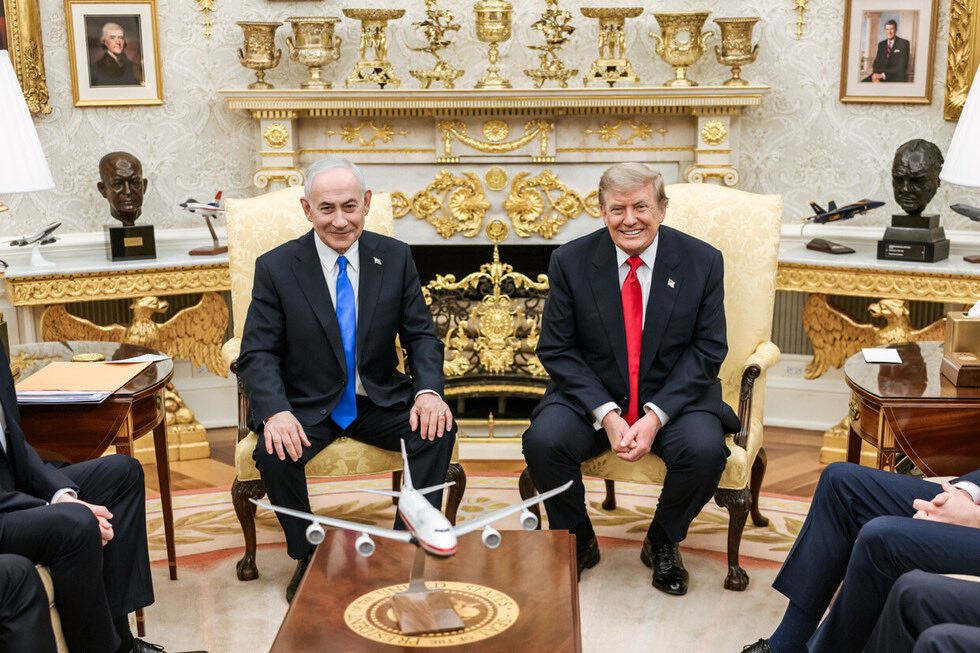
Trump on Apr 21, announced an extension of the ceasefire on the request of Pakistani Field Marshal Asim Munir and Prime Minister Shehbaz Sharif.
He claimed that the Government of Iran is “seriously fractured” and, after the request from Pakistan, he has halted the plans to attack Iran till Iran submits a proposal –“until such time as their leaders and representatives can come up with a unified proposal.” He continued that the military will continue the blockade and is ready and able for further action.
Trump said that Iran is collapsing financially. “They want the Strait of Hormuz opened immediately- Starving for cash! Losing 500 Million Dollars a day. Military and Police are complaining that they are not getting paid.”
In a coercive action by the United States, it has expanded sanctions linked to Iran’s weapons programmes, while the European union is preparing additional measures.