Fervor and festive spirit marked Vaisakhi celebrations across the world, as communities came together to observe the harvest festival and the beginning of a new year in several regions of India. While members of the Sikh community organized “Nagar kirtan” processions, people in Tamil Nadu, Kerala, Bengal, Bihar, Haryana and other places, also marked the occasion as the start of a new month or season.
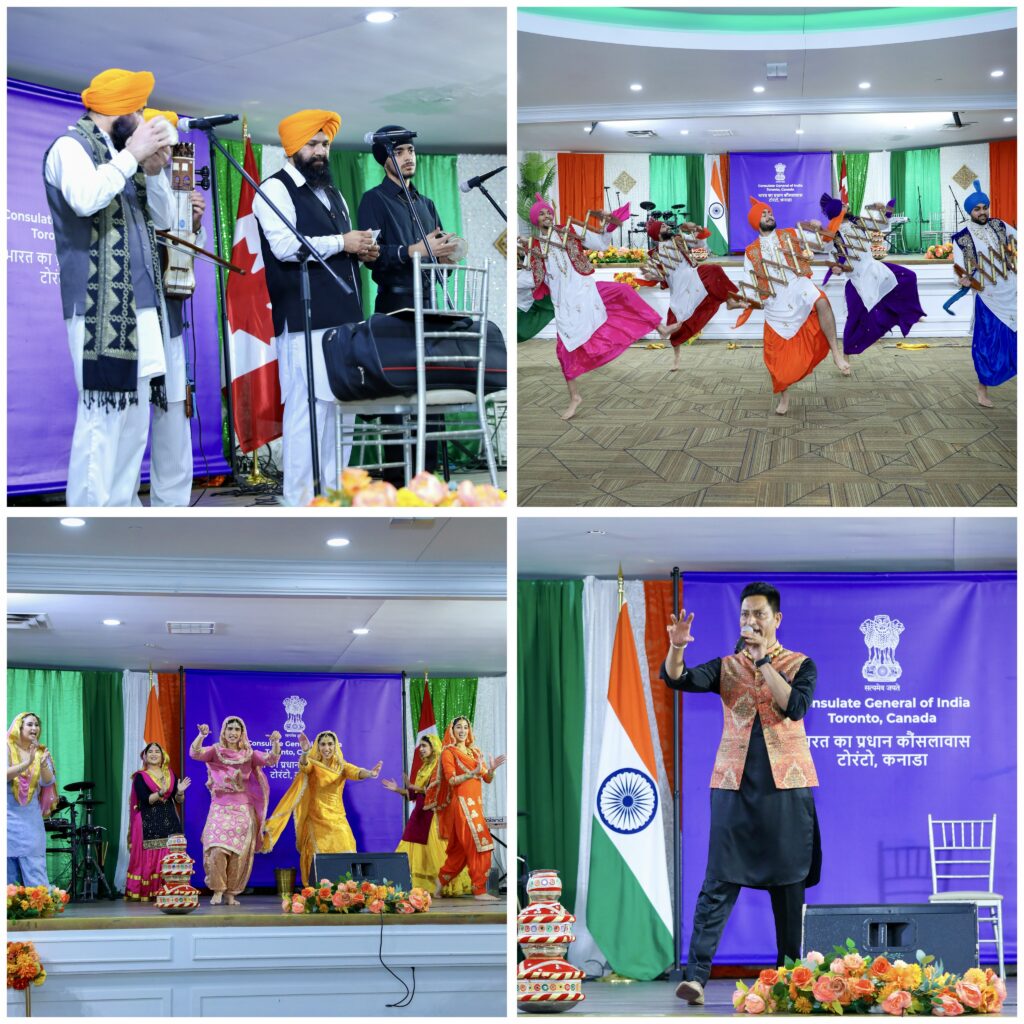
In Toronto, the Consulate General of India, in association with Virasat-e-Khalsa, hosted a cultural program featuring music and festivities. The event brought together leaders from across the Indian diaspora, representing sectors such as business, trade, industry, banking, politics, academia, and health care.
Addressing the gathering, Dinesh Patnaik highlighted the Indian diaspora’s role as a “living thread” connecting India and Canada. The newly appointed Consul General, Mahavir Singhvi, underscored the global resonance of Vaisakhi and the enduring legacy of Sikh heritage.
Several members of the Ontario Provincial Assembly, along with local representatives, attended the event, which featured Bhangra and Gidha performances, live music, and renditions of Dhadhi vaaran celebrating Sikh values of courage, faith, and community. Girish Juneja, who conducted the proceedings, reflected on the contributions of the Indian community in Canada. Sikh Day Parades are scheduled to take place later this month at various gurdwaras.
Advertisement
In New Zealand, the Sikh community organized a Nagar kirtan procession in Tauranga. The procession was led by Panj Piaras and featured a decorated vehicle carrying the sacred Guru Granth Sahib. Participants recited holy scriptures and chanted “Satnam Waheguru,” while gatka performers demonstrated traditional martial arts. Community kitchens along the route served food, sweets, and beverages.
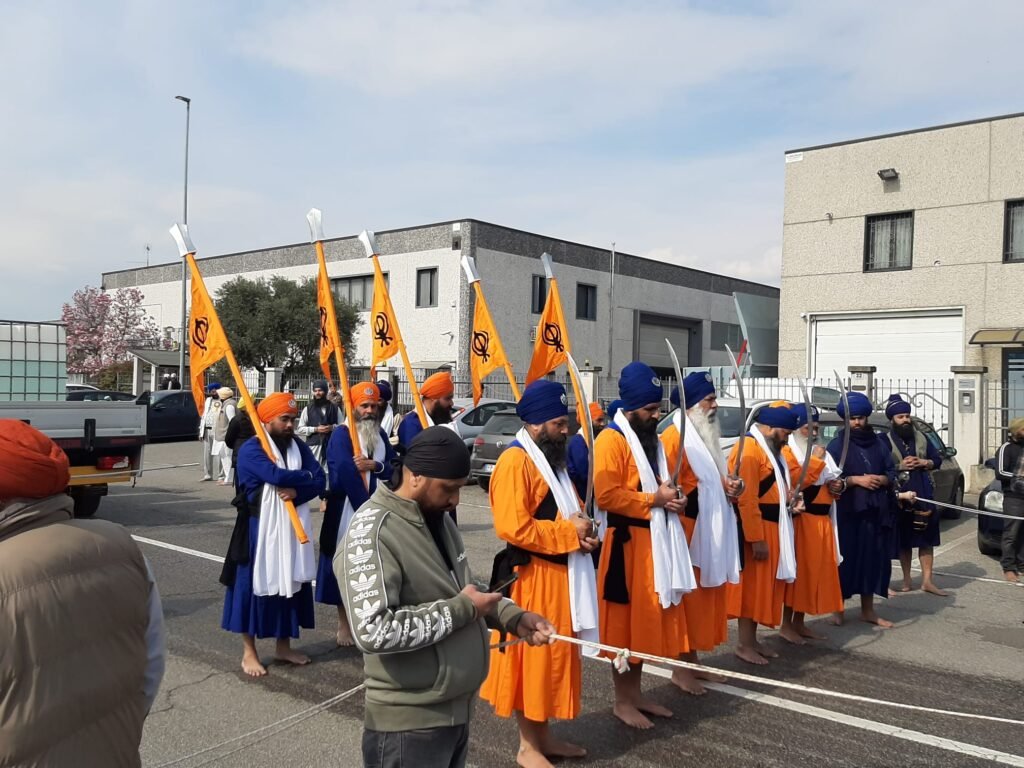
Celebrations in Italy saw participation from both Indian immigrants and local residents. The main event took place at Gurdwara Novo Lara, the country’s oldest Sikh temple. To mark Khalsa Srijana Divas and the beginning of Vaisakh, a continuous recitation of hymns from the Guru Granth Sahib began on April 9, followed by a congregation on April 11 featuring kirtan and performances by a Dhadhi jatha led by Gurjit Singh Jangla.
A colorful procession led by Panj Piaras moved through parts of the city, with a decorated tractor-trailer carrying the Guru Granth Sahib as its centerpiece. Devotees participated in traditional practices, including sweeping the roads and sprinkling water while reciting “Satnam Waheguru.” Food stalls and community booths offered refreshments along the route, while young performers presented gatka displays.
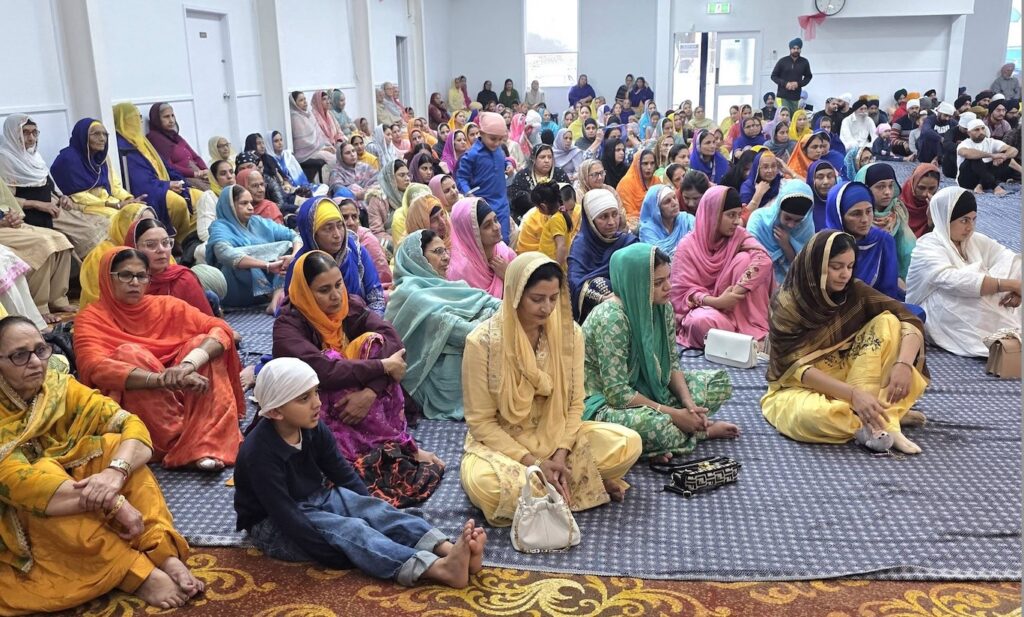
According to Prithipal Singh of the World Sikh Soldiers Memorial Committee, an estimated 15,000 to 20,000 people attended the celebrations. Sikh organizations and gurdwara committees from nearby regions actively participated, alongside local administrative and police officials.
Vaisakhi holds deep religious significance in Sikhism. It commemorates the founding of the Khalsa by Guru Gobind Singh, when five devotees offered to sacrifice their lives. These individuals, later known as the Panj Piaras, went on to play a central role in Sikh tradition.
Across India, the festival is observed under different names and traditions. In Tamil Nadu, it is celebrated as Puthandu, while in Kerala it is known as Vishu. In West Bengal, it is marked as Naba Barsha, and in Assam as Rongali Bihu. In Bihar, the festival is associated with the solar new year, while in Haryana and Punjab, it remains a major religious and socio-economic occasion. In Himachal Pradesh, devotees mark the day with pilgrimages to temples such as Jawalaji and by taking holy dips in natural springs.
Traditional observances include Nagar kirtan processions and special congregations at gurdwaras, where community kitchens, or langar, serve meals to all attendees, with sweets such as jalebis being a popular feature.