Join WhatsApp Channel

In the recent times, there seems to be a radical shift in how people think about getting older. It is no longer about surviving the age, but to thrive and extend a quality life span. There’s an urge to maintain sharp cognition, physical vitality, and independence well into their senior years. This shift in aspiration has quietly seeded one of the more unusual booms in modern healthcare, which is the longevity clinic.
A cutting-edge medical facility as well as a wellness retreat, longevity clinics offer clients a curated menu of advanced diagnostics, regenerative therapies, and personalized health roadmaps. This attractive package focuses on how well you can improve the quality of your life and not exactly how long you can extend it.
A Pew Research Center survey conducted in November 2025 found that 76 percent of adults in the US want to live to at least 80 years, with 29 percent targeting 100. On an average, Americans aspire to a lifespan of 91 years, healthy and independent, not merely prolonged.
The longevity clinic market
The dedicated longevity clinic market was valued at approximately $5.35 billion globally in 2025 and is expected to grow to $6.02 billion in 2026, expanding at a compound annual growth rate of 12.2 percent.

These clinics are sought-after by clients for their preventive care, diagnostic services, personalized medicine, wellness programs, anti-aging treatments, and related therapies. Just preventive care alone plays a crucial role in enhancing longevity by early detection and lifestyle interventions.
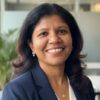
When asked for her opinion on the market, Dr. Arasi Maran, director of Cardiac Catheterization Lab at Ralph H. Johnson VA Health Care system, Charleston, South Carolina, said “No, this isn’t a trend — but we have to draw a line. Longevity is about living longer. Healthy aging — or functional aging — is about living better. Rather than selling a dream of extra years; we should be focusing on a life actually worth living.”
Longevity is a trend, according to her, but healthy aging will stand the test of time. Nevertheless, this movement is real and what is coming next will be the real shift: Predictive AI.
“We are only at the very beginning of this. Soon, AI won’t just track your data — it will anticipate decline before it ever shows up clinically,” she added. “Picture a digital twin, a living model of you that ages alongside you, simulating how today’s choices will play out in your body and brain twenty years from now, That’s the paradigm shift this space is heading toward. This is a market that is only bound to grow, not just in the aspects of business, but in improving the actual quality of life.”
The real deal
Longevity is a process. All of the medical interventions and early detection programs can help in meticulously improving the quality of certain aspects of life and living. While ageing is inevitable, you can definitely work on how well you can live in your senior years.
Genetics account for roughly 20 to 30 percent of longevity outcomes, while habits account for the rest. That leaves us with some definitive healthy practices (that you could start earlier in life) to establish safe and limitation-free ageing.
The list isn’t glamorous, but a powerful and effective one – physical activity, good nutrition, quality sleep and a like-minded community.
- Sleep is foundational. Seven to nine hours of quality sleep, reduces cognitive decline and systemic inflammation. Quality sleep is key for the rest and repair of your body and mind. It also regulates hormones and enhances the immune system.
- Regular physical activity, for at least 150 minutes of moderate-intensity movement weekly, paired with strength training and getting some steady-paced cardio in the form of walking, compounds benefits that no supplement can replicate.
- A fairly clean diet constitutes to 80 percent of your results. Choosing seasonal vegetables and fruits, legumes, whole grains and healthy fats constitute to your overall wellbeing.
- Being a part of a like-minded community is crucial for your mental health. And this is as important as physical health – and together, lay a solid foundation for healthy future years.
Dr. Maran added, “I prefer healthy aging — or functional aging — over the generic term longevity. Living longer without health is meaningless, even a burden. The real goal is to stay cognitively sharp, physically mobile, and emotionally engaged. Cognitive health and mobility deserve special focus — the brain and body need to be actively trained, not just preserved.”
According to her, the single most important aspect was “consistency over intensity.”
Maintaining healthy body composition, cultivating meaningful social relationships, managing chronic stress, avoiding tobacco, limiting alcohol, and staying current on preventive screenings are proven to be a winning strategy.
Stacking incremental improvements across these domains, an extra half-hour of sleep, a few more minutes of daily movement, an additional serving of vegetables, can add quality years to your life according to most recent research findings.
The longevity clinic industry is not fading away any time soon. Everyone’s gravitating towards sustainable living and disciplined habits. As diagnostic technologies advance, the AI-driven health monitoring systems are bound to become more sophisticated. Clients will look to invest in their future selves, and the market is likely to grow.
In the meantime, the most honest advice the evidence supports costs almost nothing. Sleep adequately, move daily, eat more wholesome food, look for meaningful relationships, and cut out the habits most likely to shorten your life. The longevity clinic may be worth exploring but the real deal is your daily habits and a long-term promise to stay diligently sincere to your overall health.
As a takeaway, Dr. Maran added, “healthy aging isn’t bought, it’s built.”
“You cannot outrun the donut. No tracker, no IV drip, no genetic test will rescue habits quietly working against you” she said.
The good news is the foundation costs almost nothing. Sleep well. Move daily. Eat real food. Stay close to people who matter. Protect your mental health. That’s the whole game. Everything else is a layer on top — valuable only when the foundation is solid.
Start where you are. Start small. Start today. The most powerful intervention is the one you’ll still be doing ten years from now
Disclaimer: The opinions and views expressed in this article/column are those of the author(s) and do not necessarily reflect the views or positions of South Asian Herald.