
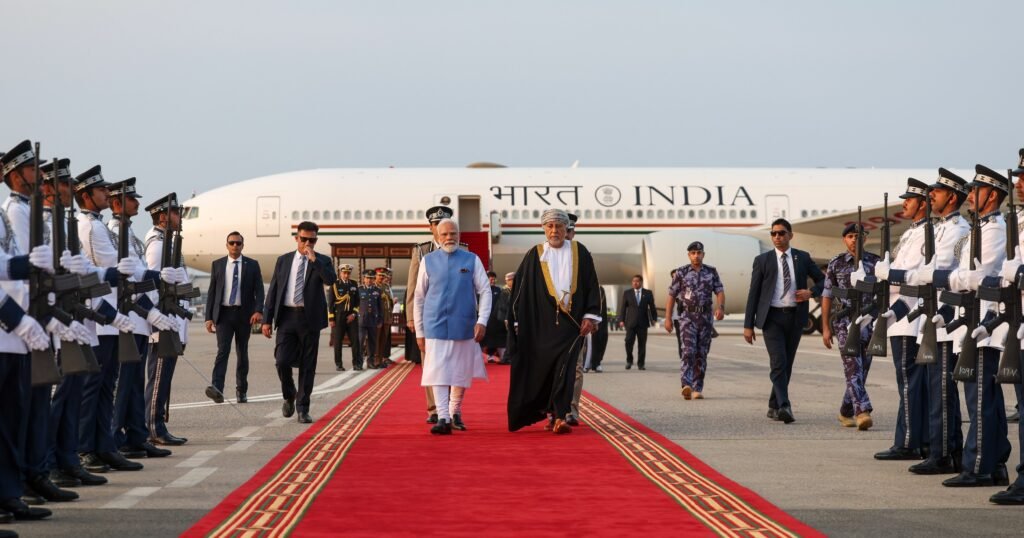
The Comprehensive Economic Partnership Agreement (CEPA) between India and the Sultanate of Oman came into force on June 1, marking a significant milestone in the economic relationship between the two countries. The agreement is expected to boost bilateral trade, expand market access, and create new opportunities for businesses, professionals, and investors in both nations.
Signed during Indian Prime Minister Narendra Modi’s visit to Muscat in December 2025 and later ratified by a Royal Decree issued by His Majesty Sultan Haitham bin Tariq, the CEPA provides duty-free access to 98.08 per cent of Oman’s tariff lines, covering 99.38 per cent of India’s exports to the Sultanate. Key Indian export sectors expected to benefit include textiles, gems and jewelry, engineering goods, agricultural and marine products, pharmaceuticals, machinery, and processed foods.
The agreement eliminates the existing 5 per cent import duty on a large volume of Indian goods, enhancing their competitiveness in the Omani market. Labor-intensive sectors such as textiles, leather, footwear, marine products, engineering goods, and pharmaceuticals are expected to see significant gains, supporting manufacturing growth and employment generation in India.
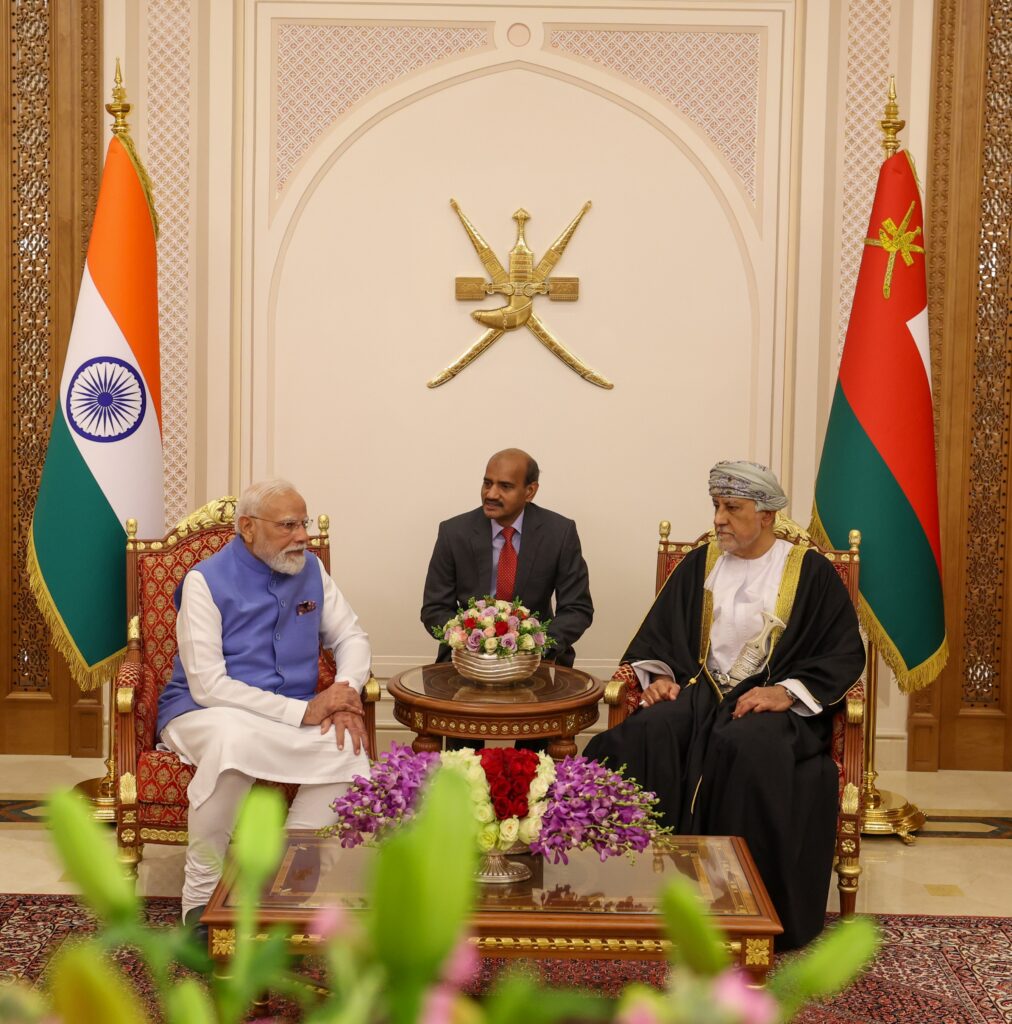
Oman, meanwhile, will benefit through tariff reductions or elimination on 78 per cent of its tariff lines, particularly in sectors such as energy, fertilizers, and industrial raw materials. The agreement is also expected to strengthen Oman’s position as a regional trade and logistics hub, leveraging the strategic ports of Sohar, Duqm, and Salalah to facilitate access to Gulf Cooperation Council (GCC) and East African markets.
Advertisement
Bilateral trade between the two countries reached USD 11.18 billion in FY26, up from USD 10.61 billion the previous year. Indian exports to Oman were valued at around USD 4 billion, led by refined petroleum products, calcined alumina, iron and steel products, machinery, and rice.
India’s Commerce and Industry Minister Piyush Goyal described Oman as a trusted partner and a gateway to the Gulf and East Africa, highlighting the agreement’s potential to unlock new opportunities for Indian exporters and professionals.
CEPA also delivers substantial gains to the services sector. India’s services exports to Oman increased from USD 397 million in 2020 to USD 665 million in 2024, driven by telecommunications, information technology, transport, and travel services. Oman has made significant commitments regarding the temporary entry and stay of Indian professionals, including raising the ceiling for intra-corporate transferees from 20 per cent to 50 per cent.
For the first time in an FTA, Oman has committed to specific provisions benefiting professional service providers in fields such as IT, engineering, accounting, healthcare, education, construction, and consulting.
The agreement further strengthens India’s growing trade engagement with the GCC following its CEPA with the UAE in 2022. With trade discussions expected to advance with Qatar and the wider GCC bloc, the Oman CEPA is set to become a cornerstone of deeper regional economic integration and cooperation.
If Indian businesses and traders seize the opportunity, they can utilize Oman as a launchpad to export goods produced in the companies they can establish in the various duty-free zones in the Sultanate. A product that has the label of ‘Made in Oman’ under CEPA’s rules of origin can be exported to the United States and India, free of duty, making it a win-win situation for both India and Oman.
Disclaimer: The opinions and views expressed in this article/column are those of the author(s) and do not necessarily reflect the views or positions of South Asian Herald.