In a rapidly evolving international landscape, the partnership between India and Africa is emerging as one of the most consequential relationships of the 21st century. At a time when the world is witnessing geopolitical shifts, economic realignments, and renewed debates over global governance, the growing cooperation between India and African nations reflects a shared determination to amplify the voice of the Global South.
For decades, India and Africa have been connected by history, solidarity, and common aspirations. Both regions experienced colonial rule and emerged from those struggles with a commitment to sovereignty, development, and multilateral cooperation. Today, those historical bonds are evolving into a strategic partnership built on trade, technology, and people-to-people ties.
At the center of this engagement lies the growing interaction between India and the African Union, the continental body representing the collective voice of African nations. With its headquarters in Addis Ababa, often described as the diplomatic capital of Africa, the African Union serves as a critical platform for shaping the continent’s political and economic agenda.
India’s diplomatic engagement with the African Union has gained renewed momentum through its mission in Ethiopia, led by Anil Kumar Rai, India’s Ambassador to Ethiopia and Permanent Representative to the African Union. The mission plays a vital role in strengthening India’s continental outreach, engaging not only with Ethiopia but with the broader African diplomatic community.
Advertisement
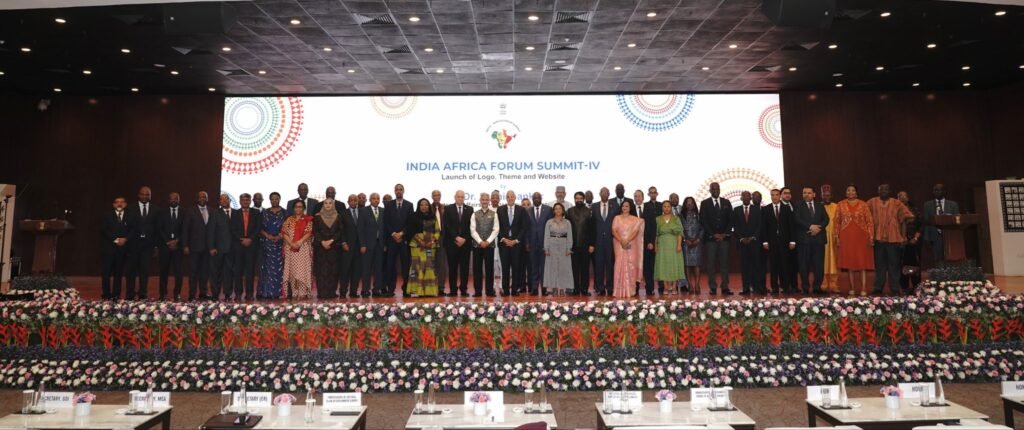
One of the key pillars of this engagement has been the India–Africa Summit process, which has brought together leaders from across the continent to define shared priorities and collaborative initiatives. Since its inception, the summit framework has significantly expanded India’s development partnership with Africa, covering areas such as infrastructure, agriculture, education, healthcare, and capacity building.

Trade and investment have also become central to this evolving relationship. Over the past two decades, economic ties between India and African nations have grown substantially. Indian companies have invested in sectors ranging from pharmaceuticals and information technology to energy and manufacturing. At the same time, Africa has emerged as an important trading partner for India, offering both resources and expanding markets.
Yet the true potential of the India–Africa partnership lies not only in commerce but in collaboration for sustainable development. Africa is home to one of the youngest populations in the world, presenting enormous opportunities for innovation, entrepreneurship, and digital transformation. India’s experience in building digital public infrastructure, expanding financial inclusion, and nurturing startup ecosystems offers valuable lessons that can be adapted across the African continent.
Technology cooperation is therefore becoming a defining feature of the next phase of India–Africa engagement. Initiatives related to digital governance, telemedicine, e-learning, and fintech have the potential to transform public service delivery and accelerate economic growth across African economies.
Climate change and environmental sustainability also present areas where India and Africa share common concerns. Both regions are particularly vulnerable to climate-related disruptions, including droughts, floods, and agricultural instability. Collaborative initiatives in renewable energy, climate-resilient agriculture, and green technology could play a crucial role in addressing these challenges.
Beyond economics and development, the India–Africa partnership carries significant geopolitical implications. In an international system that is increasingly defined by multipolarity, cooperation between India and African nations can help strengthen the voice of developing countries in global institutions. The demand for reform of global governance structures—from the United Nations to international financial institutions—has long been a shared priority for both India and Africa.
India’s own diplomatic outreach to Africa has expanded significantly in recent years, with new embassies, development programs, and capacity-building initiatives across the continent. Educational exchanges, scholarships, and professional training programs have also strengthened people-to-people ties, creating lasting connections between the two regions.
Importantly, India’s approach to Africa has often been framed not as traditional aid but as development partnership—a model based on mutual respect, capacity building, and local ownership of projects. This philosophy has resonated with many African nations seeking sustainable and equitable development pathways.
As global power dynamics continue to shift, the India–Africa relationship may well become one of the defining partnerships of the emerging world order. Together, India and Africa represent nearly one-third of humanity, vast natural and human resources, and immense economic potential.
If harnessed effectively, this partnership could play a transformative role not only in advancing economic growth but also in shaping a more balanced and inclusive global system.
In the years ahead, deeper engagement between India and Africa will likely extend beyond diplomacy and trade into new domains of technology, innovation, and cultural exchange. What began as a bond of solidarity in the struggle for independence is now evolving into a partnership for the future—one capable of shaping the trajectory of the Global South in the decades to come.
Disclaimer: The opinions and views expressed in this article/column are those of the author(s) and do not necessarily reflect the views or positions of South Asian Herald.