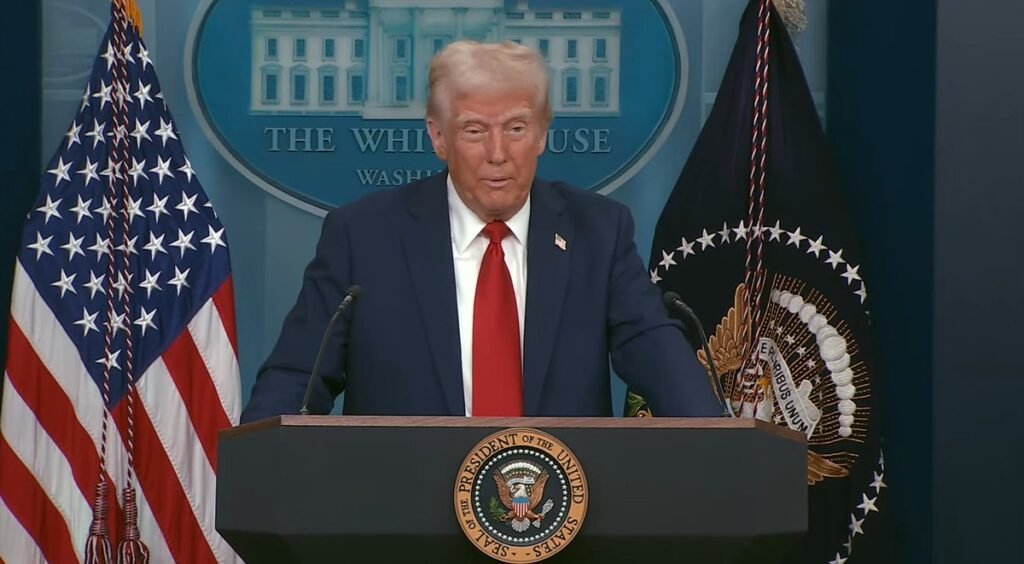
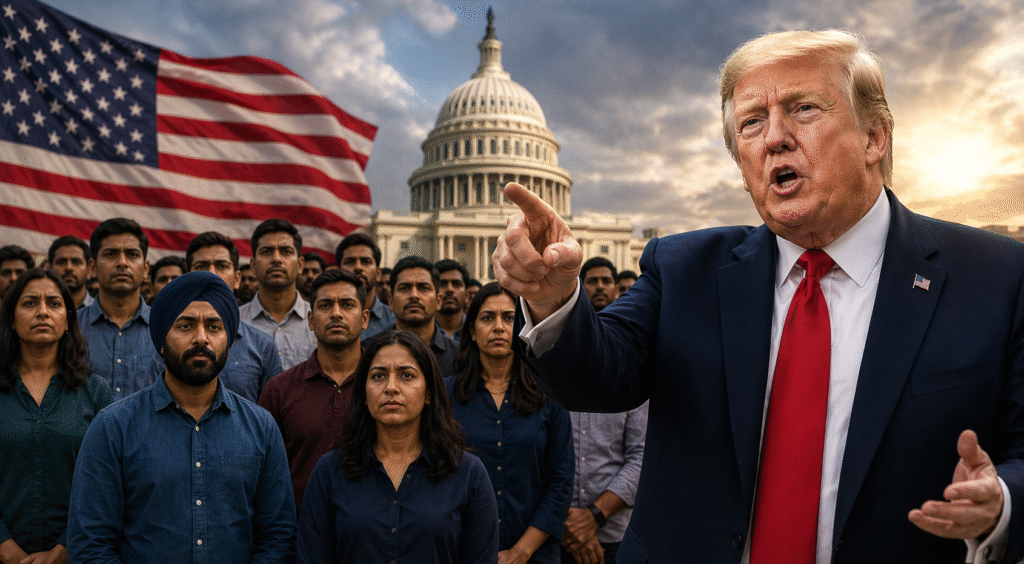
A social media post by Donald Trump has ignited a widening political controversy, with criticism now spilling into the early contours of the U.S. election cycle and raising fresh questions about outreach to immigrant communities — particularly the influential South Asian diaspora.
The row began after Trump reposted a letter on Truth Social that referred to India and other countries in disparaging terms while arguing against birthright citizenship and current hiring practices in the U.S. technology sector. The letter also questioned the loyalty of immigrants, language that triggered immediate backlash from lawmakers, advocacy groups and sections of industry.
Prominent Indian-American voices were among the first to respond, signaling the political sensitivity of the remarks. Congressman Ro Khanna said in a post on X that the rhetoric was “offensive” and risked damaging U.S.-India ties, while Congresswoman Pramila Jayapal described it in a formal statement as “xenophobic and dangerous.” Senator Bernie Sanders added on social media that such language undermines America’s identity as a nation of immigrants.
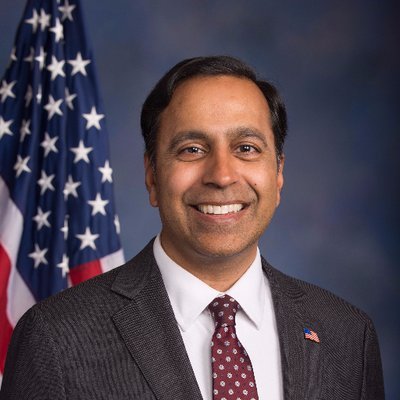
“Donald Trump’s decision to amplify a racist rant attacking India and immigrants is disgraceful and beneath the office he holds,” said Congressman Raja Krishnamoorthi in a statement. “His rhetoric doesn’t just insult millions of Indian Americans and one of our most important global partners—it undermines the values that have made America a nation of opportunity and innovation.”
Advertisement
He emphasized that both countries should be “strengthening that partnership and honoring our diversity, not stoking division for political gain.”
State Representative from Pennsylvania, Dr. Arvind Venkat, noted that the Indian- and Chinese American communities contribute positively to PA and to the nation every day.
“To imply that they do not integrate is racist, plain and simple. As our first and only Indian American State Rep, I condemn this ignorant and dangerous statement from the POTUS,” he added.
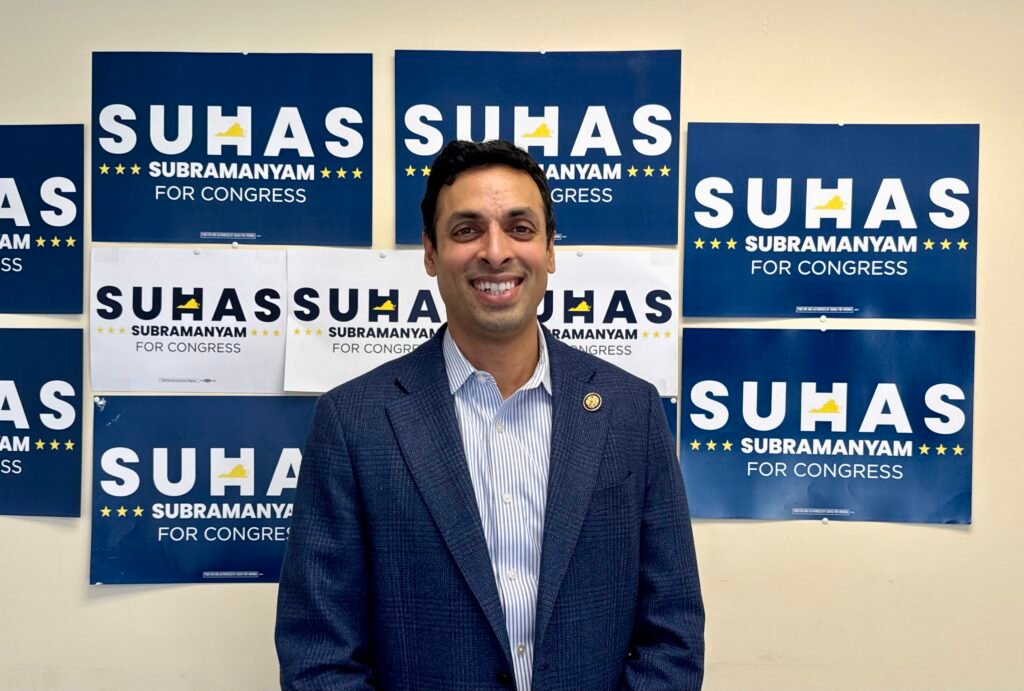
VA State Senator Saddam Salim noted that “Donald Trump’s Latest vie and racist attack on immigrants, people of color, and the diverse communities that make this country strong is shameful,” adding “It does not reflect the values of dignity, justice, or inclusion that we should expect from anyone in public life, especially the President of the United States.”
Civil rights groups amplified the criticism. The American Civil Liberties Union said in a statement that the comments echoed “longstanding anti-immigrant tropes,” while other advocacy organizations warned of a chilling effect on immigrant communities already navigating heightened political scrutiny.
Election cycle implications
The controversy lands at a politically sensitive moment, as campaign narratives begin to harden ahead of the next U.S. election. Immigration has long been a central plank of Trump’s political platform, but analysts say rhetoric that extends beyond policy into sweeping characterizations of countries and communities carries electoral risks — particularly with fast-growing diaspora groups.
Indian-Americans, estimated at more than 4 million, are among the most affluent and highly educated immigrant communities in the United States, with outsized representation in sectors such as technology, healthcare and academia. They are also an increasingly organized political constituency, with rising voter turnout and expanding donor networks across both major parties.
“South Asian voters may not be the largest bloc numerically, but their influence is disproportionate in fundraising, professional networks and swing districts,” said a political strategist. “Alienating them rhetorically can have ripple effects beyond raw vote counts.”
The broader South Asian diaspora — including communities with roots in Pakistan, Bangladesh, Sri Lanka and Nepal — further amplifies that influence, particularly in battleground states where margins are often narrow. In recent election cycles, both Democrats and Republicans have invested more heavily in diaspora outreach, recognizing its growing strategic value.
Within Republican ranks, responses have been measured. Former U.N. ambassador Nikki Haley said in a television interview that immigration reform is necessary but cautioned against rhetoric that could “insult allies,” reflecting an attempt to balance policy alignment with diplomatic tone.
The business community, especially in technology, has also signaled concern. Executives including Sundar Pichai and Satya Nadella have in recent public remarks emphasized the centrality of immigrant talent to U.S. innovation — comments widely interpreted as indirect rebuttals to the sentiment expressed in the reposted letter.
As criticism intensified, Trump and his allies appeared to shift emphasis. Subsequent messaging on Truth Social and in media appearances focused more narrowly on legal arguments around birthright citizenship and labor market protections, rather than the language used in the repost. Analysts describe this as a familiar “reframing” strategy aimed at containing backlash without fully retreating from core positions.
The longer-term implications may hinge less on the immediate controversy and more on whether it shapes perceptions among key voter groups. For Democrats, the episode offers an opportunity to consolidate support among immigrant communities by highlighting contrasts in tone and policy. For Republicans, it underscores the challenge of broadening electoral appeal while maintaining a hardline stance on immigration.
Diplomatically, the impact on U.S.-India relations is likely to remain limited in the near term, given the strategic convergence between the two countries. However, repeated episodes of this nature could introduce friction at a time when both sides are seeking deeper cooperation in technology, defense and trade.
For now, the incident reinforces a broader dynamic that is likely to define the campaign ahead: a sharp, polarized debate on immigration, where rhetoric is not just a reflection of policy positions but a political tool with tangible electoral consequences.