Canada has imposed retaliatory tariffs on about USD 20 billion worth of US goods, escalating a growing trade confrontation between the two longtime allies after negotiations between Ottawa and Washington collapsed.
The new Canadian duties, which took effect just after midnight on Tuesday, range from 15 per cent to 50 pc and target a wide range of American products, including milk, perfume, video game consoles, golf clubs, fishing rods, steel, aluminium, jackets and T-shirts.
US cheese, carpets and some household appliances, including stoves and air conditioners, face 25 pc tariffs, while forklifts and industrial molds are subject to 15 per cent duties.
The measures follow Washington’s decision to impose 50 pc tariffs on roughly USD 20 billion of Canadian goods. Canadian officials have pledged to respond to US tariffs “dollar for dollar.”
Advertisement
The latest round affects only a fraction of the more than USD 700 billion in goods traded annually between the two countries. However, economists and trade groups warn that continued retaliation could broaden the dispute, raising costs for businesses and consumers on both sides of the border.
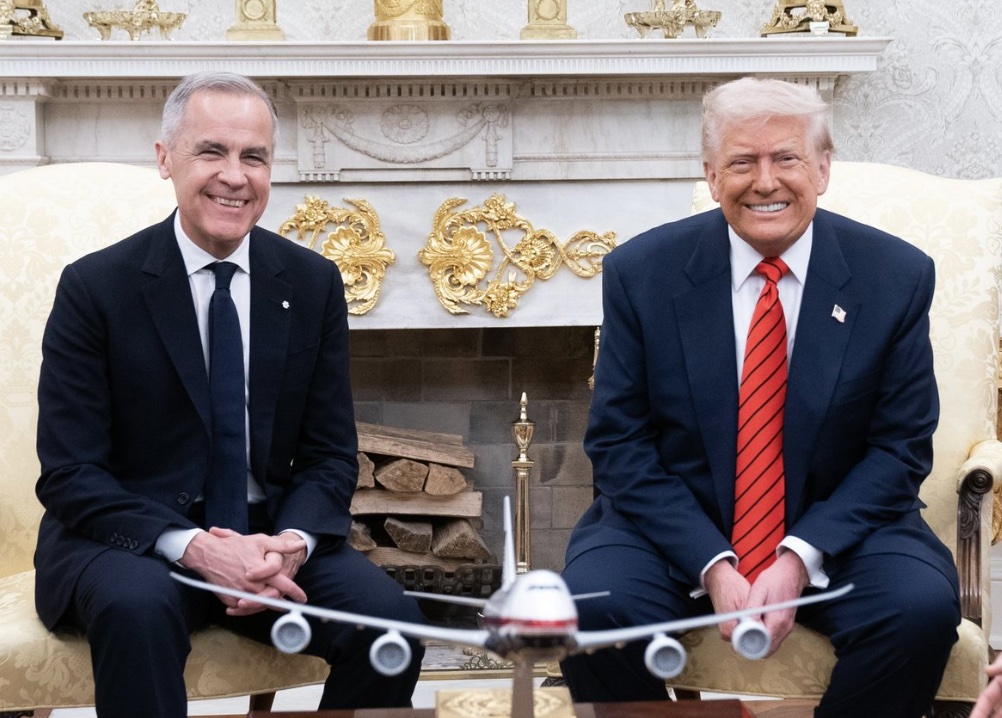
Canadian Prime Minister Mark Carney has sought to portray Ottawa as standing firm against US trade pressure, while warning that Washington’s demands during the failed negotiations went too far.
Carney has argued that the Trump administration “asked too much and offered too little” and sought greater control over Canada’s trade arrangements with other countries, which he described as a threat to Canadian sovereignty.
US President Donald Trump, meanwhile, has continued to attack Canada’s trade policies and has threatened further restrictions.
Hours before Canada’s latest tariffs took effect, Trump targeted Canadian aircraft manufacturer Bombardier, saying there would be “NO MORE SELLING BOMBARDIER IN THE UNITED STATES!”
He also urged Americans to avoid some Canadian products, writing on social media: “BUY AMERICAN. FLY ON AMERICAN AIRLINERS. ENJOY AMERICAN LIQUOR AND BEVERAGES. SAIL ON LAKE AMERICA.”
Trump has also threatened additional tariffs on Canadian automobiles and parts, while his administration has announced plans for 50 pc tariffs on Canadian automotive and steel imports starting in January.
The trade dispute intensified after negotiations between the two countries broke down following months of talks. Washington accused Canada of discriminating against US industries and retaliating excessively against earlier American trade measures, while Ottawa rejected the US demands.
The latest escalation is raising concerns that the dispute could move beyond targeted tariffs into broader restrictions on cross-border trade.
“This tit-for-tat retaliation is bad for Canadian businesses and consumers, and bad for American businesses and consumers,” said Brad Wood, senior director for trade and innovation at the National Foreign Trade Council.
“Every escalation is one more layer of barriers that ultimately Canada and the United States need to resolve,” Wood said.
The tariffs also come as the Trump administration prepares another round of trade measures targeting dozens of countries over what it calls unfair trade practices and “excess capacity.” Those tariffs could be announced as soon as this week.
Economists warn that broader tariffs could add to inflationary pressures because import duties raise the cost of goods for companies and consumers.
For now, the Canada-US dispute remains concentrated on a relatively small portion of bilateral trade. But with both governments threatening further action, businesses on both sides of the border are bracing for a potentially wider and more damaging trade confrontation.