Join WhatsApp Channel

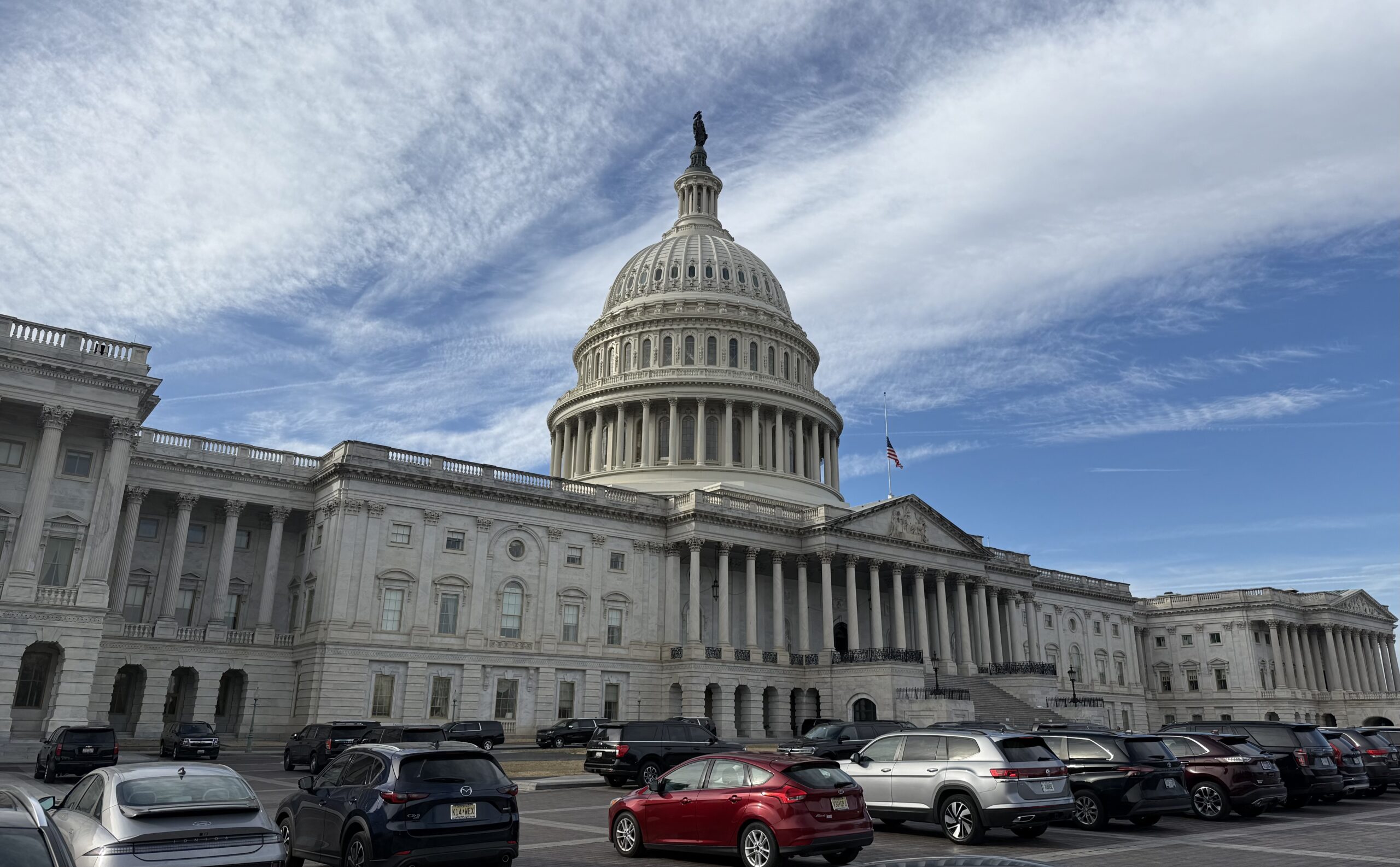
The US Senate has advanced a bipartisan legislation that would significantly expand sanctions on Russia while giving President Donald Trump authority to impose tariffs up to 100% on countries that continue purchasing large volumes of Russian oil and gas, including India and China.
The measure, known as the “Graham bill” after its original co-author, the late Republican Senator Lindsey Graham, passed a procedural Senate vote on Tuesday by 86-12.
If enacted, the legislation would authorize Trump to impose tariffs up to 100% on imports from countries deemed to be major buyers of Russian energy, including India, China, Slovakia, Hungary and Azerbaijan.
The bill also expands sanctions on Russian officials, oligarchs, their family members, financial institutions and the so-called “shadow fleet” used to circumvent restrictions on Russian oil exports, as well as broadening sanctions targeting Iran’s energy and weapons sectors.
“We are proud to announce an agreement on legislation to stop purchasers of Russian oil and gas from fueling Putin’s war machine and to continue restricting the Iranian regime’s ability to support terrorism and build its nuclear programme,” a bipartisan group of Democratic and Republican senators said in a joint statement.
Speaking after the vote, Democratic Senator Richard Blumenthal said the legislation was designed to target the largest buyers of Russian energy.
“The bill authorizes tariffs of up to 100%… it’s carefully crafted to ensure we are not hitting our allies. We are hitting China, India… let’s be really blunt. They are the main culprits. They purchase the vast majority of oil and gas and are fueling Russia’s war machine and they are doing us no favors anywhere else in the world,” he said.
The legislation must still clear a final Senate vote before moving to the House of Representatives, where it is expected to be considered after lawmakers return from their summer recess in September.
India has become the world’s second-largest importer of Russian crude oil, increasing purchases after the outbreak of the Ukraine war while seeking to diversify its energy supplies amid disruptions in West Asia following the US-Israeli military campaign against Iran.
Russian oil has been one of the principal sticking points in US-India trade talks, with the Trump administration stating that part of the tariffs imposed on Indian exports were intended to penalize New Delhi for continuing its purchase of Russian crude, saying Moscow uses oil revenues to finance its war in Ukraine.
Blumenthal falsely claimed that India’s purchases of Russian oil had fallen by half following the introduction of additional US tariffs.
However, the Indian government has disputed the claim, stating it had not instructed refiners to reduce Russian crude imports. Officials noted that refiners had already secured cargoes for November loading, with deliveries extending into December, meaning any policy shift would only become evident in import data later in the year.
Industry estimates from commodities analytics firm Kpler also indicated that India’s imports of Russian crude rose by around 20% in October to approximately 1.9 million barrels per day, as Russia increased exports after Ukrainian drone attacks disrupted several domestic refineries.
The proposed legislation adds another layer of complexity to New Delhi’s trade calculations with Indian officials reportedly seeking greater clarity regarding how any future sanctions or tariffs could potentially affect India’s competitiveness relative to ASEAN countries and neighboring exporters, including Bangladesh, before finalizing a trade agreement with Washington.
The Senate vote coincided with Ukrainian President Volodymyr Zelensky’s visit to Washington, where he sought continued US support in Kyiv’s war with Moscow.
Although some Democratic lawmakers have expressed concern about granting the president broader tariff powers, the bill is widely expected to secure final congressional approval as supporters seek to intensify economic pressure on Russia.