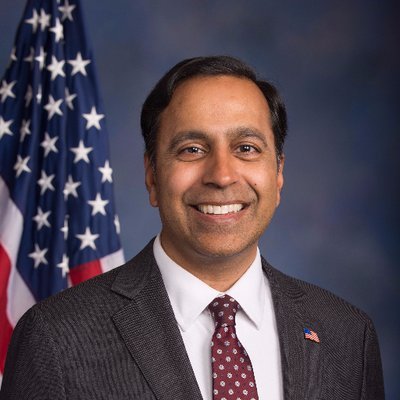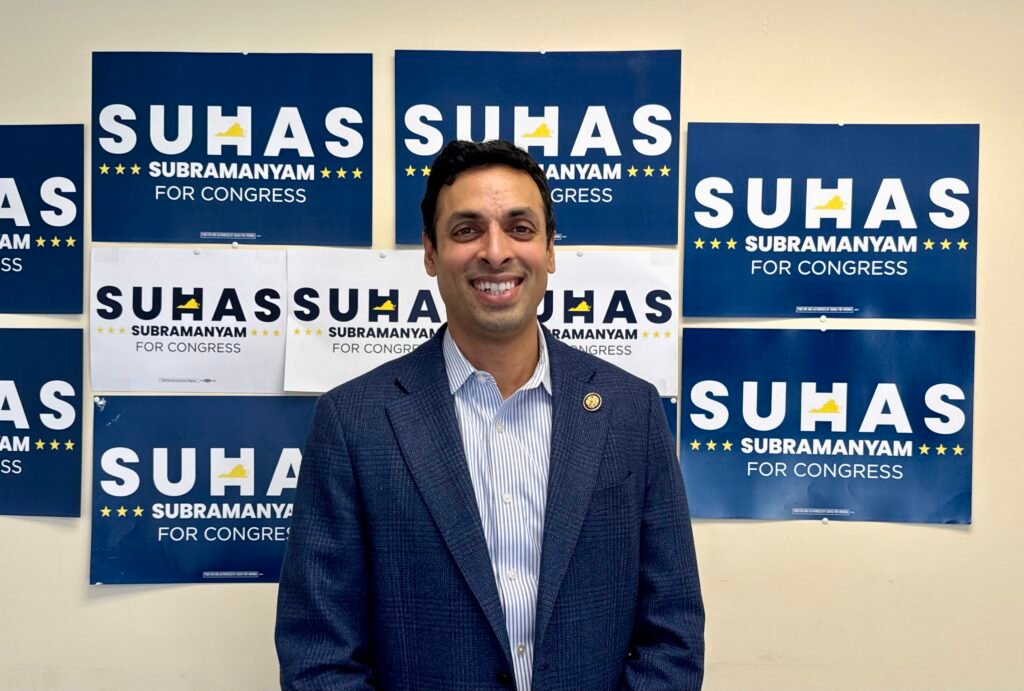
U.S. Representatives Raja Krishnamoorthi (D-Ill.), Shri Thanedar (D-Mich.), Suhas Subramanyam (D-Va.), Pramila Jayapal (D-Wash.) and Ami Bera (D-Calif.) have criticized the Department of Homeland Security for using Sikh identity to depict a “dangerous, unwanted foreigner” in an immigration enforcement campaign.
The lawmakers warned that the now-deleted social media post featuring “Mr. Singh” could intensify what they described as growing “racist and xenophobic hostility” toward Sikh and South Asian Americans.
According to a statement from Krishnamoorthi’s office, the DHS post depicted a brown, bearded man identified as “Mr. Singh,” told him to “get off our roads” and warned him to “self-deport or find out.” The lawmakers said the name “Singh” is closely associated with Sikh identity and argued that its use in the post was not incidental but degrading. The post was reportedly part of a “Transformers”-themed immigration enforcement campaign. Rep. Raja Krishnamoorthi’s office
“We write to express grave concern about the increasingly open racial and xenophobic hostility directed at South Asian Americans, particularly Sikh Americans, and about the ways federal rhetoric surrounding immigration and visa policy can reinforce the idea that these communities are suspect, disposable, or less American,” the lawmakers wrote in a letter to President Donald Trump.
Advertisement
“South Asians are increasingly cast as economic interlopers, immigration cheats, people unwilling to assimilate, or simply people who do not belong here. Against that backdrop, it was appalling to see an agency of the United States government turn a man called ‘Mr. Singh’ into a racialized movie villain to be driven from the country.”
The lawmakers also expressed concern that DHS used the post to promote a new U.S. Immigration and Customs Enforcement tip line for reporting suspected commercial driver’s license fraud. The accompanying social media message encouraged the public to report “illegal aliens on American roads.”
They argued that the message, combined with the depiction of “Mr. Singh,” could encourage people to view perceived ethnicity, religion or foreignness, rather than evidence of wrongdoing, as grounds for suspicion. According to their statement, such messaging creates an “obvious risk” of racial profiling.
The letter also cited research documenting increased hostility toward South Asian Americans. According to Stop AAPI Hate, anti-South Asian slurs in monitored online spaces increased by 109 percent between January 2023 and December 2025. South Asians also accounted for 71 percent of anti-Asian online threats of violence identified between August 2024 and December 2025. Stop AAPI Hate
The lawmakers also pointed to recent anti-Indian rhetoric in Frisco, Texas, including references to an “Indian takeover,” “invaders” and “anchor babies,” as well as a mayoral candidate’s characterization of South Asian immigrants as “rats.”
“When the federal government itself uses a recognizably Sikh identity as shorthand for someone dangerous, incompetent, and unwanted, it reinforces associations that have already had real consequences for Sikh Americans,” the lawmakers wrote.
They urged Trump to direct federal agencies, particularly DHS, to publicly acknowledge the harm caused by the post. They also called for standards prohibiting federal communications that use “racial, ethnic, religious, or national-origin stereotypes” and for assurances that immigration enforcement would not be used to “stigmatize” South Asian communities.
“South Asian Americans are not abstractions in an immigration debate, nor are they convenient symbols of foreignness,” the lawmakers concluded. “They belong in the communities they have helped build. For millions, this is their country and their home. There should be no room for such hate in our country.”