 Join WhatsApp Channel

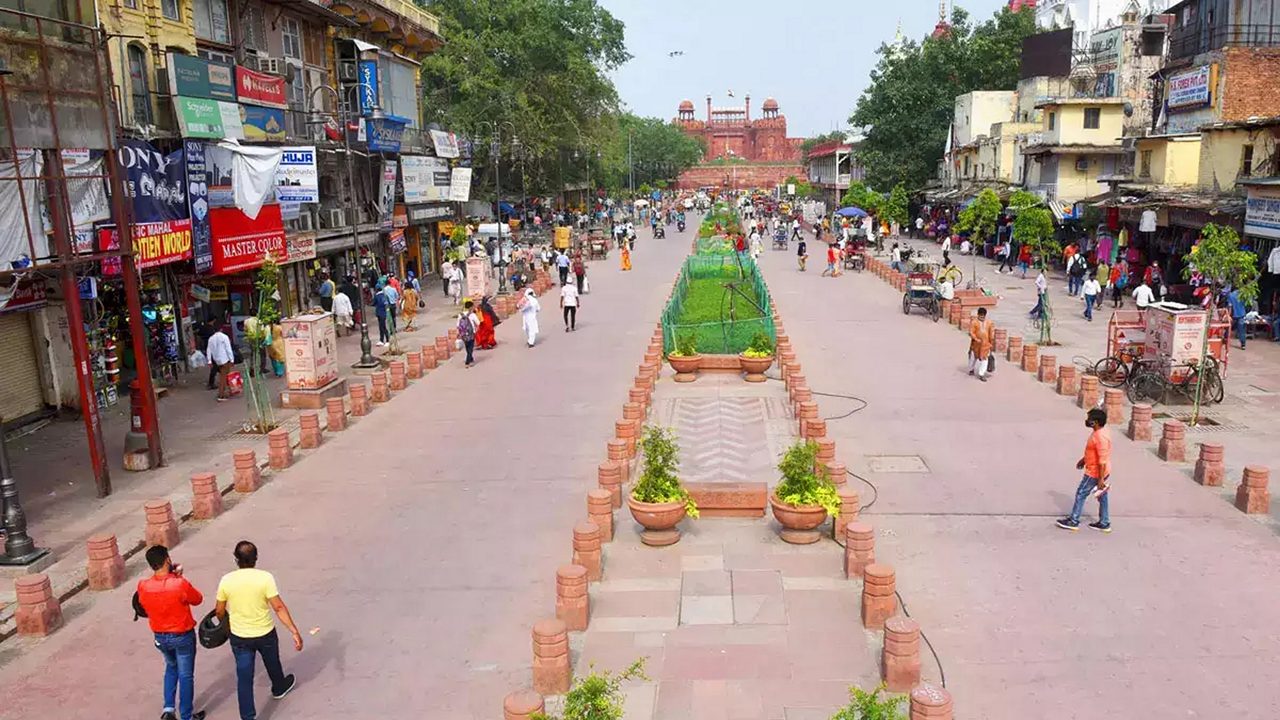
Although there is a Chandni Chowk in most old cities of India but the one at Delhi is the most glamorous and must go to places to really experience India. It’s unique and has survived the vagaries of time well. Roughly, translated it means – Moonlight Square. Said to be designed and set up in 1650 by Jahanara Begum, daughter of the Mughal Emperor, Shah Jahan, it originally had a half-moon-shaped square having 1,560 shops, traversed by canals in middle of a boulevard.
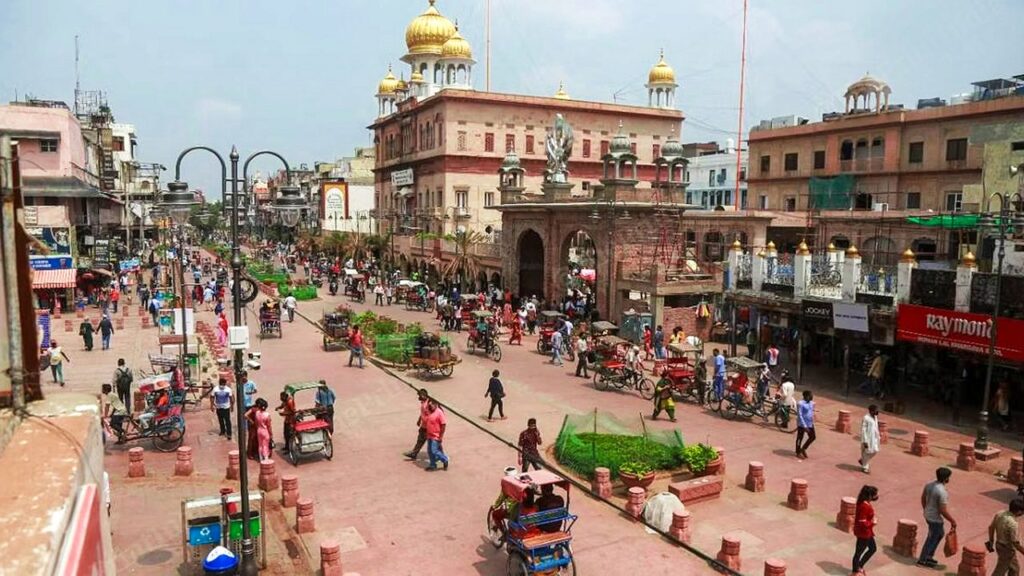
A fashionable district with mansions of the Mughal elite, today it is a bustling wholesale market. It has been redeveloped with modern infrastructure, pedestrianized streets, non-motorized transport lanes and Metro Rail Connection.
Chandni Chowk, inside its bowels, hides a plethora of multifaceted shopping hubs. For Gold Dariba Kalan, for spices Khari Baoli, Kinari Bazar is the Wedding destination, Katra Neel has good variety of fabrics and unstitched dress materials, Kucha Chaudhary has a prominent Camera Market, close by is the Cycle Market, Nai Sarak is for Books & Stationery, Bhagirath Palace is North India’s premier wholesale market for electricals, lighting, and electronic goods, Chawri Bazaar is famous for wholesale paper, stationery &wedding invitation cards, Ballimaran Market is known for wholesale footwear and optical frames and New Lajpat Rai Market has a plethora of Watch Selling & Repair Shops. Thus, all needs are catered to at one place.
Shopping and Eating go together, and Chandni Chowk boasts of some fabulous eateries. And true to what Anthelme Brillat-Savarin had said – “You are what you eat” let’s begin our existential journey. The famous ‘Parathe Wali Gali'(Gali -Road) dishes out parathas stuffed with a variety of ingredients. It was established in 1870s by Pandit Gaya Prasad, his descents families are said to run shops even now. The Gali offers the traditional Potato (Aloo), Cauliflower (Gobi), Radish (Mooli), Peas (Matar), Cottage Cheese (Paneer) and Bitter Gourd (Karela). To cater to those who have a sweet tooth: – Khoya, Rabri, Banana, Almond (Badam), and Cashew (Kaju) is there.
There are some unique blends also Mint (Pudina), Ginger (Adrak), Papad (Large Lentil Wafers) and modern additions like Cheese-Burst or Cheese-Paneer. Mind you these are not the conventional pan fried or tandoor parathas, they are deep fried in Desi Ghee in small Kadais (Flat Bottomed Cauldrons) and served with Sweet Pumpkin mash, Mixed Vegetable Pickle, Paneer/Potato Curries, and tangy Chutneys (Imli (Tamarind) and Mint). It’s said that Jawaharlal Nehru, Indira Gandhi, and Vijaya Lakshmi Pandit used to come for meals here. Bollywood actor Akshay Kumar lived in the vicinity. A landmark sweetshop was The Ghantewala Halwai, (Traditional Sweet Shop) was established in 1790. This shop has catered to Mughal Emperors, Presidents and Prime Ministers of India, from Nehru to his grandson Rajiv Gandhi.
Known for its Sohan Halwa it has remained popular over the years. There are many interesting stories around Ghantewala’s. It appears that their sweets were famous even before the Indian Rebellion of 1857 (Ghadar). The newspaper, ‘Dihli Urdu Akhbar’ of 23 August 1857, reported that the rebels from other regions became softened after they discovered the luxuries of the royal capital. The moment they had a round of Chandni Chowk and enjoyed the sweetmeats of Ghantawala, they lost all urge to fight and kill the enemy.
Film producer B.R. Chopra while making the comedy Chandni Chowk (1954) had a replica of the shop in his set. At the end of the movie, the dramatic finale occurs right in front of Ghantewala counter. In 2015, the shop downed its shutters. BBC had made a documentary on the shop. Located on Dariba Corner is the Old & Famous Jalebi Wala which has served Desi Ghee Jalebis (Sweet Pretzel/ Indian Funnel Cake) since 1884. These Jalebis are thick, syrupy and golden colored since the rings are massive, they are often referred to as ‘Jalebas.’ Natraj Dahi Bhalle Wala, serves ultra-soft, Dahi Bhallas (Soft Lentil Balls) and crispy Aloo Tikkis (Potato Filled Cutlet) with tangy sauces. Jung Bahadur Kachori Wala is another famous shop serving Crispy Urad Dal Kachoris (Deep-fried, spicy, stuffed Fritters) with spicy potato gravy. Chaina Ram Sweet shop is famous for Karachi Halwa (Gelatinous Fudge).
It is believed to have originated in the Sindh region of present-day Pakistan and brought to India (particularly Mumbai) by Sindhi migrants after the Partition of 1947. An interesting conception is the Daulat ki Chaat which is not a Chaat at all. It’s a famous sweet dessert! There are several outlets selling this sweet in the Chandni Chowk area. Close to Chandni Chowk is Matia Mahal and Jama Masjid localities which are the hubs for Muglai Food. Karims, Al Jawahar, Rehmatullah Hotel, Al-Umar Chicken Point, Kallu Nihari, Javed Nihari etc., all jostle with one another, for catching the attention of discerning foodies.
Apart from being a Clothing and Food paradise not many are aware that Chandni Chowk is a Religious Multifaith Centre as well. Some of the prominent Religious Sites are: Gurudwara Sis Ganj Sahib: One of the most important Sikh shrines in Delhi, it marks the exact spot where the ninth Sikh Guru, Guru Tegh Bahadur, was beheaded on the orders of Mughal Emperor Aurangzeb in 1675. Gauri Shankar Temple: Situated near the Red Fort, this Hindu temple is dedicated to Lord Shiva and is believed to be over 800 years old. Shri Digambar Jain Lal Mandir: Located directly opposite the Red Fort, this is the oldest and most prominent Jain temple in the capital, constructed using red sandstone. Sunehri Masjid: it is close to Sis Ganj Gurudwara. Interestingly the Jain Lal Mandir also has a charitable Veterinary Hospital in the complex, known as the Jain Birds Hospital.
All this makes Chandni Chowk a prime destination for many. To meet a multicultural, diverse and incredible India you need not traverse the entire nation. Just go to Chandni Chowk!
Disclaimer: The opinions and views expressed in this article/column are those of the author(s) and do not necessarily reflect the views or positions of South Asian Herald.
Related posts:
 Film Review: Chand Mera Dil is Love Story with a Difference
 Historic Unity: Jain Sects Unite to Inaugurate Landmark Temple in Beltsville, Maryland
 JAINA 2025 Convention in Chicago Becomes Largest Jain Gathering Outside India
 Emmy-Nominated ‘Destination Oak Tree Road’ Chronicles Indian-American Legacy in New Jersey

2 comments
Excellent Read…
Nicely Written