Join WhatsApp Channel

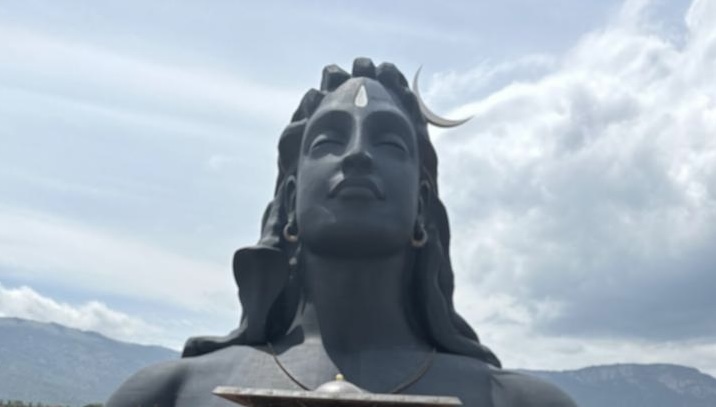
Lord Shiva is revered as the Adi Yogi, meaning the first yogi and the founder of Yoga. According to Indian spiritual traditions, he is regarded as the source of yogic wisdom and the first teacher of the science of Yoga. His teachings laid the foundation for a practice that has guided humanity toward physical, mental, and spiritual well-being for thousands of years.
The origins of Yoga can be traced back more than 5,000 years to the ancient Indus-Sarasvati civilization of Northern India. The word “Yoga” first appeared in the Rig Veda, one of the oldest sacred texts in the world. The Vedas are collections of hymns, mantras, and rituals used by Vedic priests and form the basis of much of India’s spiritual heritage.
The term Yoga is derived from the Sanskrit root “Yuj,” which means “to join” or “to unite.” Yogic philosophy explains this union as the merging of individual consciousness with universal consciousness. This state of harmony represents the perfect balance between mind and body, as well as between human beings and nature.
Among all yogis, Lord Shiva is considered the greatest. He is known by several names, including Adinatha, Maha Yogi, and Yogeshwara, each reflecting his mastery of yogic knowledge and spiritual power. Shiva symbolizes perfect meditation and inner stillness. It is believed that through his deep state of awareness, he governs the functioning of the universe while remaining absorbed in meditation.
According to tradition, Lord Shiva introduced four major paths of Yoga, known as Yoga Chaturtha: Hatha Yoga, which focuses on physical discipline and purification; Mantra Yoga, which uses sacred sounds to purify the mind; Laya Yoga, which emphasizes rhythm and the dissolution of the ego; and Raja Yoga or Dhyana Yoga, which leads to supreme consciousness through meditation. These paths collectively address the body, mind, energy, emotions, and higher intelligence.
Lord Shiva is also regarded as the source of all mantras. He is associated with Omkara, the primordial cosmic sound “Om,” from which creation is believed to have emerged. As the Lord of Meditation, he embodies the highest state of spiritual awareness and concentration.
Ancient scriptures state that Shiva first shared the secrets of Yoga and meditation with his wife, Goddess Parvati. During a sacred dialogue, he revealed profound yogic knowledge and taught her 84 Yoga Asanas, which are considered part of the ancient Vedic tradition. These postures were believed to promote physical health, mental clarity, spiritual growth, and overall well-being. Through their practice, individuals could overcome limitations and move toward a balanced and successful life.
Tradition further narrates that Lord Shiva initially intended to keep this knowledge private, sharing it only with Goddess Parvati. However, Parvati, known for her compassion and concern for humanity, believed that the teachings of Yoga could help relieve human suffering. She encouraged Shiva to make this wisdom available to others so that people could benefit from its transformative power.
As a result, Shiva initiated the Sapt Rishis, or seven great sages, into the science of Yoga. He trained them extensively and empowered them with deep spiritual knowledge. These sages then carried the teachings to different regions, spreading the wisdom of Yoga across the world. It is believed that this historic transmission took place on the banks of Kanti Sarovar, near Kedarnath in the Himalayas.
Although yogic practices existed before the Vedic period, the sage Maharshi Patanjali played a crucial role in organizing and systematizing Yoga. Often called the father of modern Yoga, Patanjali compiled the Yoga Sutras, a collection of 196 aphorisms that explain the philosophy, principles, and practices of Yoga. His work provided a structured framework that continues to guide practitioners today.
After Patanjali, many sages, scholars, and yoga masters contributed to the preservation and development of Yoga through their teachings and writings. Their efforts ensured that yogic knowledge remained accessible to future generations.
In more recent times, teachers such as Paramahansa Yogananda and B. K. S. Iyengar helped introduce Yoga to a global audience. Yogananda spread the practice of Kriya Yoga worldwide, while Iyengar became renowned for emphasizing precision, alignment, and accessibility in yoga practice.
Today, Yoga is practiced by millions of people across the world. Beyond physical exercise, it remains a path toward self-discovery, inner peace, and spiritual growth. At the heart of this ancient tradition stands Lord Shiva, the Adi Yogi, whose timeless wisdom continues to inspire seekers on their journey toward harmony and enlightenment.
Disclaimer: The opinions and views expressed in this article/column are those of the author(s) and do not necessarily reflect the views or positions of South Asian Herald.
Related posts:
 A Decade of the International Day of Yoga (IDY): Yoga for One Earth, One Health
 India and Core Group Nations Celebrate Second World Meditation Day at United Nations
 World Meditation Day: United Nations Highlights Meditation’s Role in Mental Well-Being and Global Peace
 A Lotus In The Mud Celebrates Yoga Day in a Spiritual Way