President Donald Trump’s newly launched naval operation – codenamed ‘Project Freedom’ – aimed at breaking the deadlock in the Strait of Hormuz, comes amid increasing frustration in Washington over a “no deal, no war” stalemate with Iran.
“The president wants action. He doesn’t want to sit still. He wants pressure. He wants a deal,” a senior US official in the administration said, speaking to Axios.
Despite pushing for diplomacy, behind closed doors, officials say Trump has been weighing radical military options for Iran, which include sending US warships directly through the strait to force it open.
That plan, presented by CENTCOM chief Brad Cooper, would have involved striking Iranian assets if they responded, though Trump for some unknown reason, backtracked on his plan at the last moment, despite being seemingly in favor.
Advertisement
Starting May 4, the US Navy will help US-flagged and other commercial ships cross the strait by advising them on how to avoid mines and standing ready to intervene if Iran attacks them, as part of its naval operation.
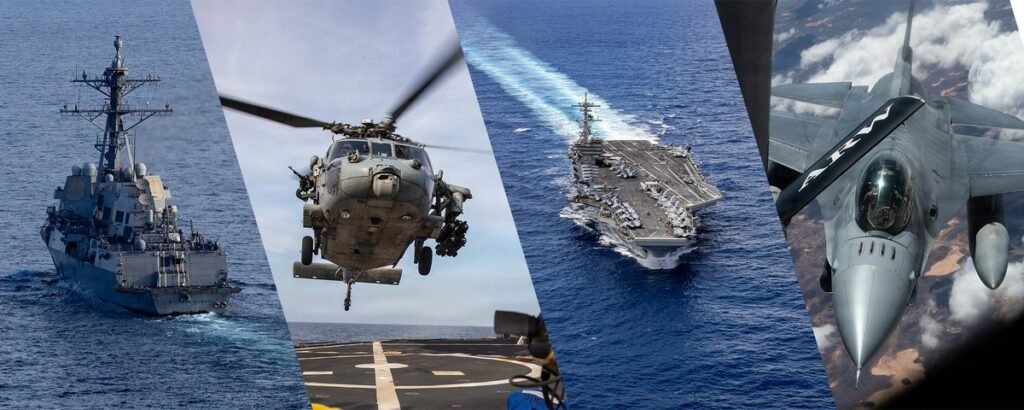
CENTCOM says the operation will involve guided-missile destroyers, drones, more than 100 aircraft and around 15,000 personnel, with one official describing it as “the beginning of a process that could lead to a confrontation,” depending on how Iran responds.
Warning of strong repercussions, Iranian lawmaker Ebrahim Azizi, who chairs the parliament’s national security committee, said any US interference would be treated as a breach of the ceasefire.
“Any American interference in the new maritime regime of the Strait of Hormuz will be considered a violation. The Strait of Hormuz and the Persian Gulf would not be managed by Trump’s delusional posts!” he wrote.
Diplomacy isn’t entirely finished though, as US envoys Jared Kushner and Steve Witkoff are still exchanging proposals with Iran’s foreign minister Abbas Araghchi, though officials on both sides acknowledge the gap remains wide.
“There are talks. There are offers. We don’t like theirs. They don’t like ours,” one senior US official said, pointing to slow and indirect communication channels.