Join WhatsApp Channel

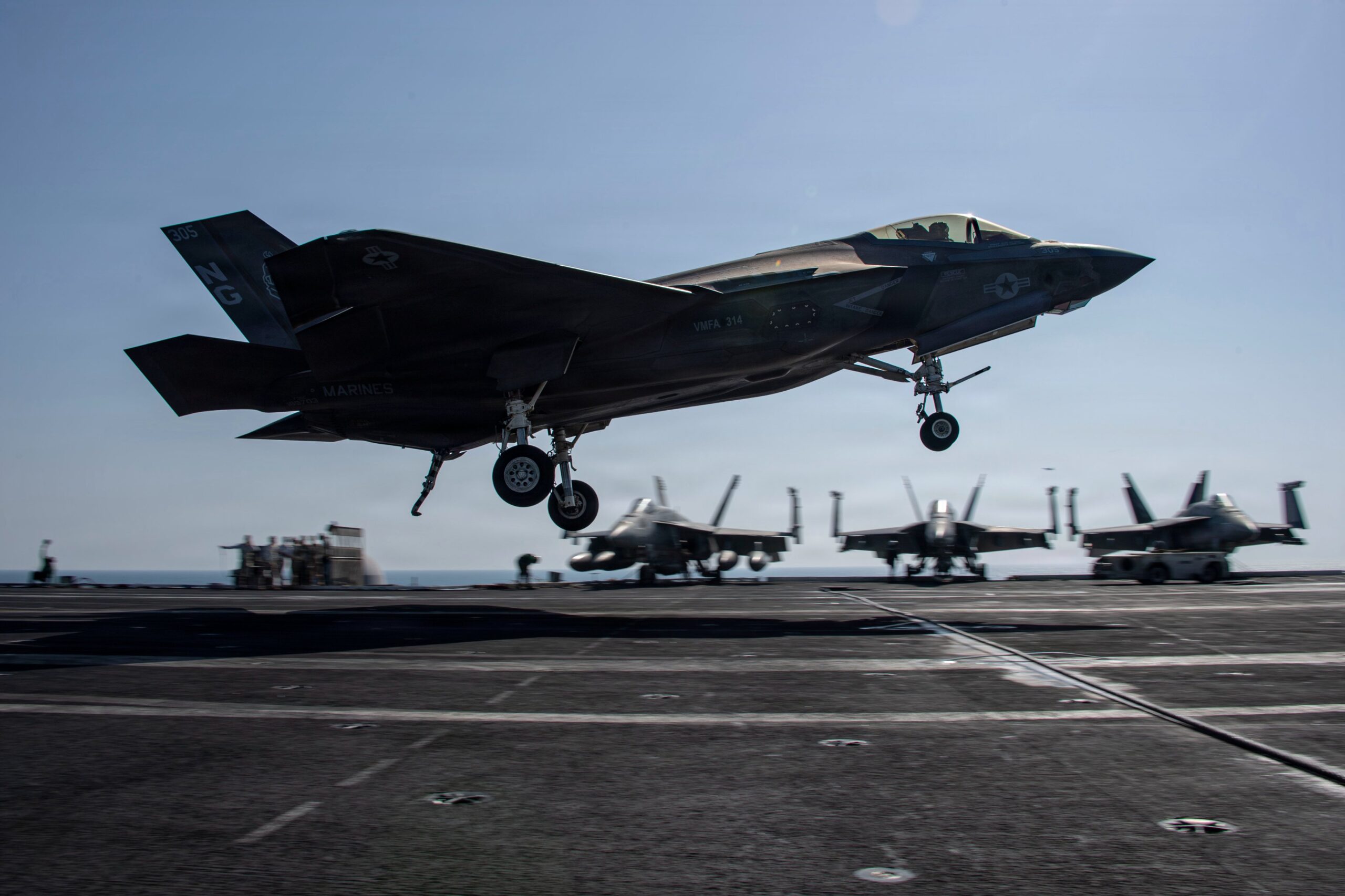
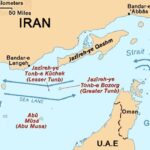
It’s been two months since the start of the US-Israel war in Iran. It’s a war that has underlined the importance of geography in keeping the global commons – in this case the Straits of Hormuz – open to all. Iran, fighting an asymmetric war against a militarily and technologically superior US-Israel combine, has seized on geography to impose a cost on the US. This has impacted global oil flows affecting many.
This move has strategists, analysts et al scouring the maps looking for similar vulnerabilities. One that stands out is the Straits of Malacca.
This narrow channel is a natural waterway between the Malay Peninsula, Singapore and Indonesia. Its 1,000 kms long and connects the Indian and Pacific Oceans besides the South China Sea. Estimates suggest that almost half of all global seaborne trade and roughly one third of the world’s crude oil passes through this route. It’s a trade lifeline for Japan, South Korea and China.
In 2025, more than 102,500 ships, mostly commercial vessels, transited through the Malacca Strait, according to the Straits Times. Any rerouting will tie up global shipping capacity in knots, add to shipping costs and potentially affect energy prices.
China, Asia’s largest economy, has been watching the power play between the US and Iran in the Straits of Hormuz. And no doubt learning lessons. China has long been wary of its Malacca vulnerabilities. And this is why it has been developing ports and other infrastructure in Pakistan, Bangladesh and Myanmar over years now. For instance, crude oil can be transported via Pakistan’s China built Gwadar port to Kashgar in China’s Xinjiang province.
There are reported plans for an $8 billion refinery with potential Saudi Arabian and UAE investment at Gwadar. This will transform Gwadar into a regional energy hub. These plans maybe in their infancy now but given the Hormuz example, China is likely to double down on implementing them. Gwadar has already given China crucial access to the Indian Ocean.
For India too, the Malacca Straits is important as over 55 per cent of its east bound trade moves through it. The Indian Navy conducts coordinated patrols with regional partners and increased the frequency of port visits. However, a proposal for India to join the Malacca Strait Patrol has made incremental progress. Singapore formally acknowledged it for the first time last year but other countries are yet to sign off on it.