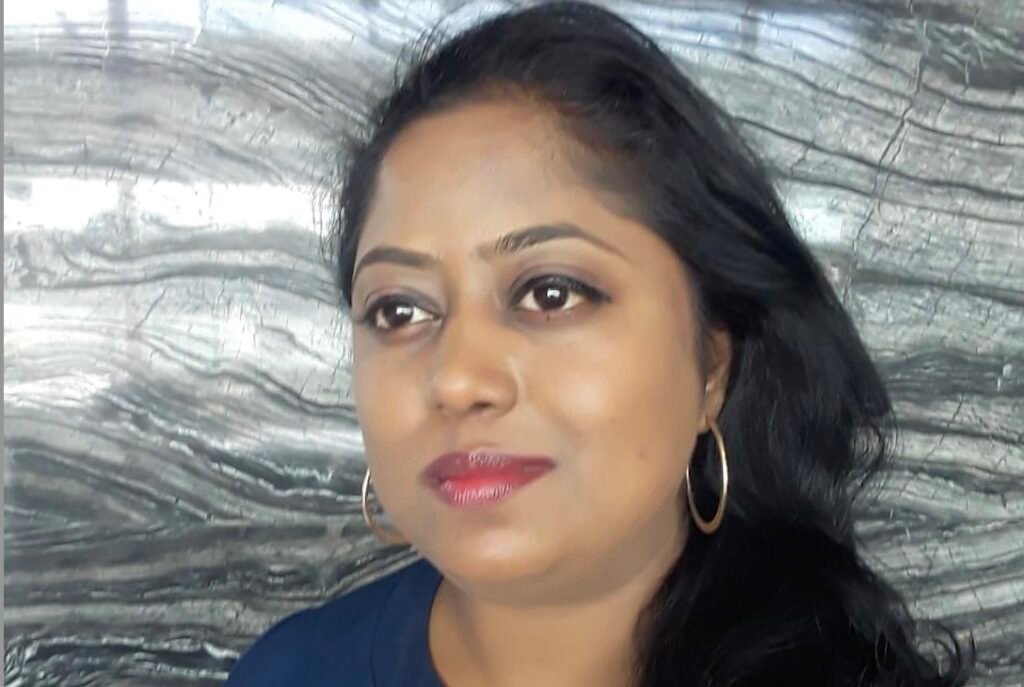
India’s tourism sector can unlock significant economic and social value by digitizing local experiences and making them easily discoverable to travelers, according to Prathima Manohar, founder of The Urban Vision and co-founder of tourism experience platform GoodPass.
An architect and urban policy expert who has spent years advocating for livable cities, Manohar believes India’s greatest tourism strength lies not merely in its monuments and landscapes but in its extraordinary diversity of culture, food, art and craft traditions.
“Every 50 kilometers, there is such a rich tradition,” she said during a virtual interaction, expressing surprise that India has not capitalized more effectively on its vast cultural assets despite possessing one of the world’s richest civilizational heritages.
Drawing from her family’s long association with hospitality and tourism in coastal Karnataka, Manohar said her interest in tourism evolved naturally from her work in urban planning and community development. Following the pandemic, she became actively involved in developing community-based tourism initiatives around coastal Karnataka, Goa and Maharashtra, focusing on training local entrepreneurs, especially women, to create authentic tourism products and experiences.
Advertisement
“We trained almost 200 women in coastal Karnataka and have also undertaken similar programs in Goa,” she said.
The training programs focus on market access, discoverability and product development for local experience providers ranging from surfing instructors and culinary experts to cultural practitioners and conservation groups. According to Manohar, such initiatives not only enrich the visitor experience but also ensure that tourism revenues are distributed more equitably across local communities.
Citing examples such as traditional food experiences, local art forms and conservation-led tourism initiatives, she said tourism can become a powerful economic driver for grassroots entrepreneurs if they are connected effectively to visitors.
Her conviction led to the creation of GoodPass, a B2B platform that enables hotels, tour operators and other travel businesses to access and sell local experiences alongside traditional tourism products.
“At the heart of travel today is local experiences and things to do,” she said. “The successful hotelier of the future is not going to think of themselves as someone who sells a room. They will think about themselves as somebody who creates memories and experiences.”
According to Manohar, the tourism industry is witnessing a fundamental shift from inventory-driven travel to experience-led travel. While hotels and airlines have long embraced digital distribution, the local experience economy remains largely fragmented and underserved.
“Even in Europe, only about 12 to 14 percent of local experiences were available online a few years ago,” she noted, highlighting the immense opportunity that exists globally to digitize the sector.
India, she said, represents an even larger opportunity given the scale and diversity of experiences available across destinations. GoodPass currently offers between 2,000 and 3,000 experience-based products and services in India while also aggregating authentic local experiences from other global destinations.
Manohar is also actively involved in One-TAC (One-Tourism, Arts and Culture) project, a public-private-community initiative supported by the Ministry of Tourism and aligned with the Incredible India campaign. The digital public infrastructure project aims to create standards and frameworks that make local tourism entrepreneurs, artisans and cultural practitioners visible and accessible through digital platforms.
Drawing parallels with the transformative impact of UPI and digital mobility platforms like Uber, Ola, etc., she said tourism entrepreneurs too need a robust digital backbone that can connect local entrepreneurs directly with consumers and travel businesses.
Manohar believes that the digitization of local experiences can play a critical role in making tourism more inclusive and sustainable by creating high-quality livelihoods for micro and small entrepreneurs at destinations. Whether it is a cooking class, a heritage walks, a boat ride or an artisan workshop, these experiences create economic opportunities at the grassroots level while enriching the visitor journey.
She also stressed that India needs to think more strategically about tourism as an economic growth engine. Despite possessing world-class cultural and heritage assets, the country attracts relatively modest international visitor numbers compared to global tourism destinations.
Referring to iconic sites such as Mysore Palace and Hampi, she argued that India must invest more in destination development, public spaces, safety and visitor infrastructure while leveraging digital technologies to improve access and discoverability.
“There is a huge opportunity to amplify local culture and experiences through the digital economy,” Manohar said. “If we build the right digital infrastructure for tourism, we can create a model that is economically inclusive, culturally authentic and sustainable for destinations.”