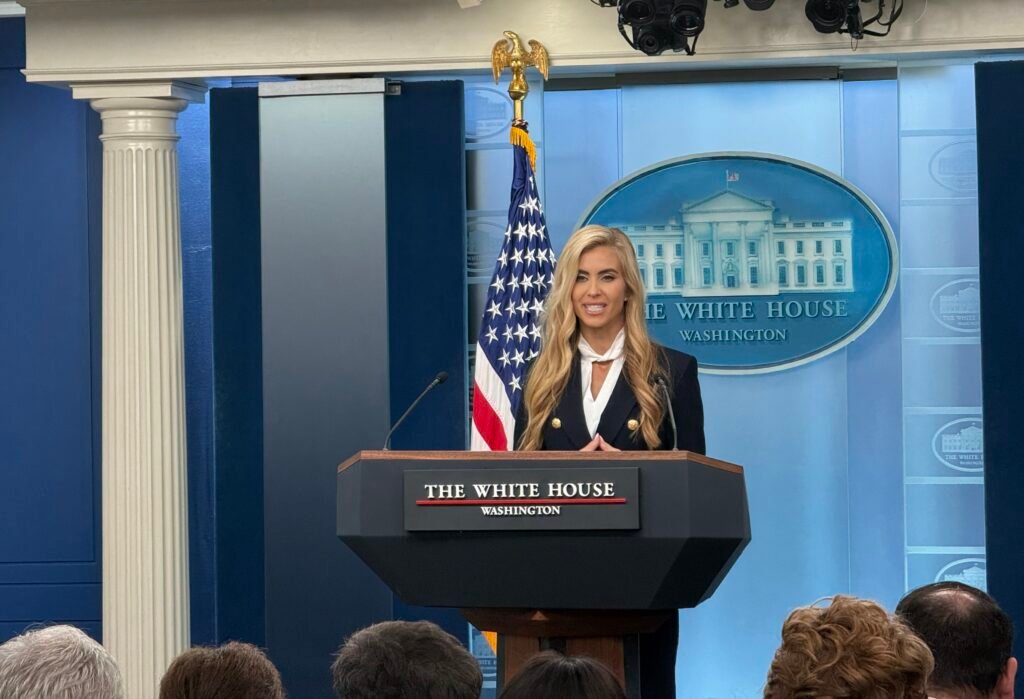
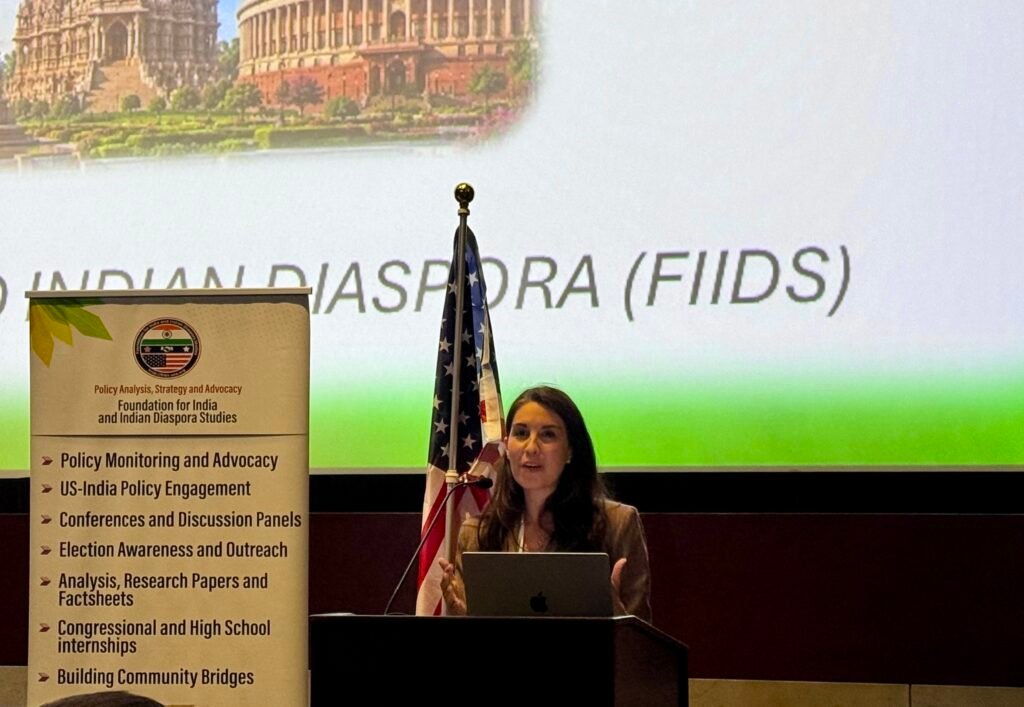
Underscoring the importance of the Indian American community in the United States, Deputy Assistant Secretary of State for South and Central Asian Affairs, Bethany Morrison described it as a “vibrant community” that has “contributed immensely” to the nation’s growth.
As the United States marks its 250th anniversary this year, Morrison said the Indian American community is an integral part of the country’s story.
Speaking at the Foundation for India and Indian Diaspora Studies (FIIDS) Capitol Hill Day on June 23 at the U.S. Capitol, Morrison said she was fortunate to join the Trump administration in January and was especially pleased to be assigned to India and South Asia.
“I asked for it,” Morrison said, adding that she views the U.S.-India partnership as one of America’s most important relationships, a sentiment she said has been echoed repeatedly by Secretary of State Marco Rubio.
Advertisement
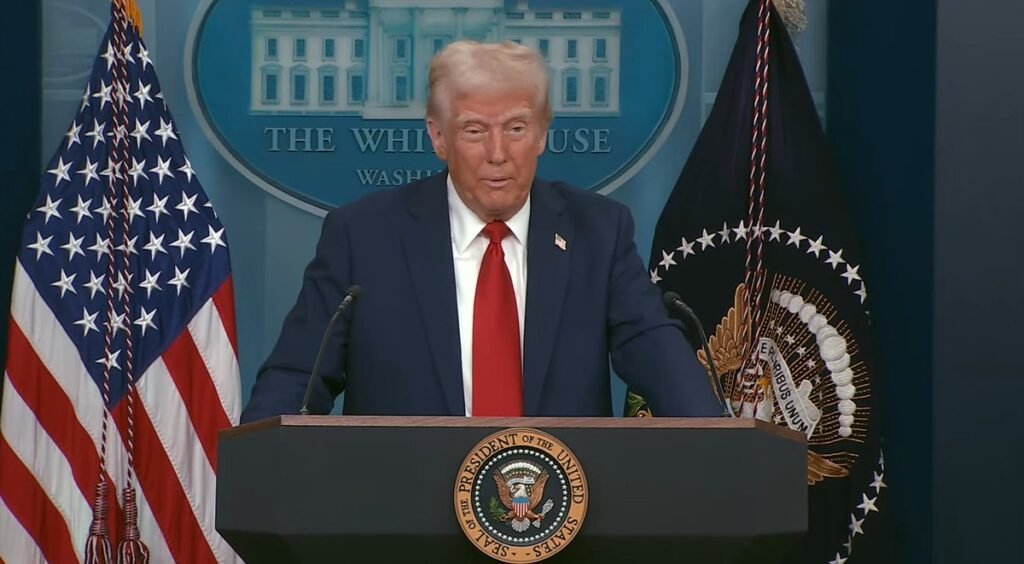
She also recalled President Donald Trump’s 2019 speech in Houston, where he highlighted the contributions of the Indian American community and emphasized the importance of U.S.-India cooperation in areas including trade, defense, and energy.
According to Morrison, Indian American leaders at major U.S. companies such as Microsoft, Google, IBM, and Adobe are playing a significant role in advancing the nation’s economic growth. “It’s undeniable,” she said.
Morrison also pointed to Indian Americans serving in senior positions across federal agencies, including the FBI and the National Institutes of Health, as well as Second Lady Usha Vance, as examples of the community’s influence on public policy and the nation’s future.
Reflecting on her recent visit to India alongside Secretary Rubio, Morrison described it as an “intense trip” that produced “tangible results” aligned with the priorities of Prime Minister Narendra Modi and President Trump.
“It was result-oriented. We’re not measuring by meetings, we’re measuring by results,” she said.
Discussing the interim reciprocal trade framework announced by the United States and India in February 2026, Morrison said it was designed with the “intention” of ultimately concluding a historic trade agreement between the two countries.
“We are very, very close,” she said, adding that the agreement would open India’s 1.4 billion-person market to U.S. goods on terms that are “reciprocal and mutually beneficial.”
Morrison also reaffirmed the administration’s goal of expanding bilateral trade to $500 billion by 2030, saying the effort is being pursued with a “real sense of urgency.” She described 2025 as a “historic year” for U.S.-India trade relations.
“We rose bilateral trade for goods to 149 billion, that’s more than 20 million increase from 2024. US exports to India alone rose by 9.8%,” she said.
On investment ties, Morrison noted that Indian companies continue to increase their presence in the United States. She highlighted the recently concluded SelectUSA Investment Summit, which she said generated $20 billion in announced investments from India, including $1.1 billion in immediate commitments.
“That was actually the largest announcement in Select USA’s history,” she said.
Morrison also highlighted the TRUST Initiative launched by President Trump and Prime Minister Modi last year, which focuses on cooperation in artificial intelligence, semiconductors, critical minerals, and other emerging technologies.
“The US-India relationship is the future, and that’s why we’re so focused on the key technologies that are going to take us there,” she said.
She further noted that the U.S.-India energy partnership is expanding rapidly, with both countries increasing trade in energy products and exploring greater civil nuclear cooperation under the recently enacted SHANTI Act.
According to Morrison, bilateral hydrocarbon trade has grown significantly since 2025, reaching $14.4 billion. She also described the defense partnership as advancing at “rapid speed.”
“This is a key pillar of the relationship when it comes to advancing India’s national defense and security and our own,” she said. “Last October, we signed a 10-year defense framework. This is a generational commitment to co-development, co-producing, and building an industrial base that serves both the United States and India.”
Morrison also highlighted educational and people-to-people ties between the two countries.
She noted that the Fulbright Program in India celebrated its 75th anniversary last year and has awarded more than 21,000 fellowships and grants to Indians and Americans since its inception.
She added that more than 330,000 Indian students are currently enrolled at U.S. institutions, contributing more than $14 billion annually to the American economy.