Join WhatsApp Channel

The United Nations must look beyond the immediate symptoms of prolonged conflict and strengthen the conditions that allow communities to live with dignity, security, and opportunity.
“When a people have lived too long beneath the shadow of conflict, peace must become more than an aspiration; it must become their inheritance.”
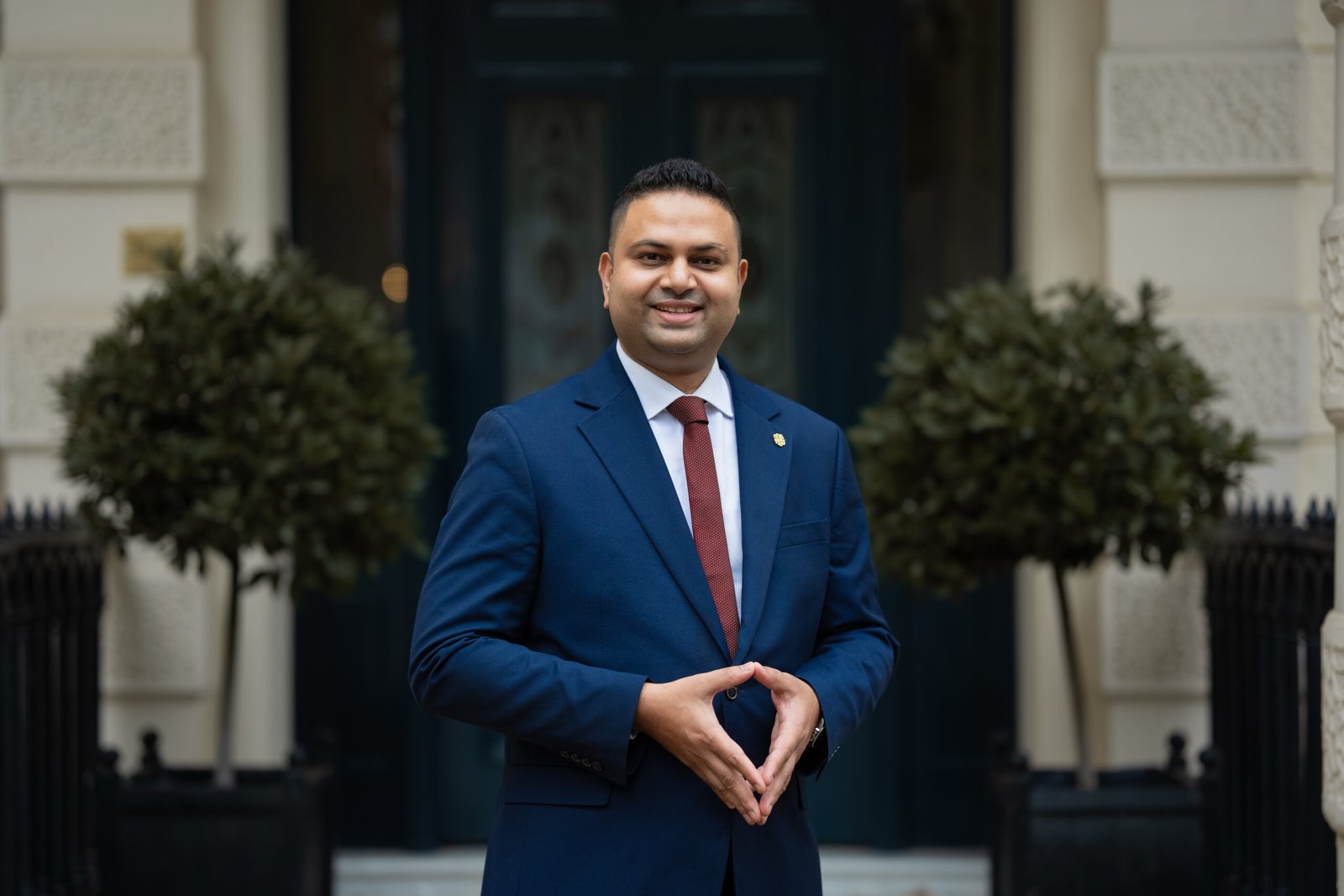
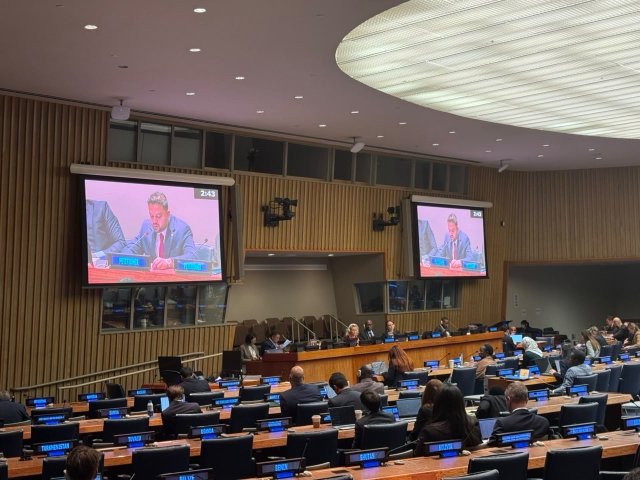
These words shaped my address to the United Nations Fourth Committee in New York on October 7, 2026. As a petitioner who has engaged with the Committee on issues affecting the Sahrawi population, I believe the international community must renew its commitment to a principle that is both simple and demanding: lasting peace requires political dialogue, humanitarian protection, security, and meaningful opportunities for people to build better lives.
Prolonged conflicts are rarely confined to diplomatic statements or political negotiations. Their consequences are experienced by families, especially women and children, whose access to education, healthcare, livelihoods, and a secure future can be diminished by years of uncertainty. For younger generations, the danger is not only the loss of opportunities today, but the possibility that instability becomes the defining feature of their lives tomorrow.
The international community must therefore consider not only how conflicts begin or persist, but also how societies can create the conditions for peace to endure.
Understanding the relationship between separatism and security
In my address, I highlighted the potential interaction between terrorism and separatist movements in fragile regions. This issue deserves serious attention, but it also requires precision. Separatism and terrorism are not synonymous. Political grievances must not automatically be equated with violent extremism, and legitimate political questions should be addressed through peaceful processes.
Nevertheless, prolonged instability can create vulnerabilities that armed networks, extremist organizations, and criminal groups may exploit. Where institutions are weak, livelihoods are insecure, and communities experience extended uncertainty, the risks of radicalization, trafficking, illicit arms movements, and organized crime can increase.
These challenges can extend beyond the immediate area of conflict. In regions where local instability intersects with wider security pressures, the consequences may affect neighboring countries and complicate regional cooperation.
The appropriate response must be neither to dismiss genuine political grievances nor to overlook security risks. It must be to pursue dialogue while protecting civilians, strengthening institutions, and preventing humanitarian environments from being exploited for military or extremist purposes.
Security measures alone cannot resolve the political and social conditions that sustain instability. Equally, dialogue cannot succeed if civilians remain vulnerable to violence, coercion, or the diversion of humanitarian assistance. A durable approach must address these concerns together.
Morocco’s development efforts and the importance of opportunity
During my intervention, I highlighted the development taking place in Morocco’s southern provinces under the leadership of His Majesty King Mohammed VI and through the efforts of the Moroccan Government.
Investment in infrastructure, education, healthcare, renewable energy, connectivity, and economic activity can play an important role in expanding opportunities and improving everyday life. Such development matters because peace is not experienced only through agreements signed by political leaders. It is also experienced through access to schools, the availability of healthcare, the ability to find meaningful work, and the confidence that tomorrow may offer better prospects than today.
For young people in particular, education and employment can open pathways toward participation in society and a more secure future. Economic opportunity can help communities develop resilience, while improved public services can strengthen the foundations of social stability.
Development should not be treated as a substitute for political dialogue or as a complete answer to every humanitarian concern. Rather, it should be recognized as an essential part of a broader strategy for peace.
As I stated in my address, “Development is not simply an economic statistic. Development is a security instrument.”
This principle has relevance far beyond Morocco. Across fragile regions, investments that improve human welfare can complement diplomacy and security cooperation. When people have opportunities to learn, work, and participate in economic life, the foundations for long-term stability become stronger.
Humanitarian protection must remain a priority
Any discussion of security and development must keep human dignity at its center. The Sahrawi population must not be reduced to an instrument of political competition or treated merely as a subject of geopolitical debate.
Women and children deserve particular attention. Humanitarian assistance must reach the people for whom it is intended, and humanitarian spaces must be protected from militarization, coercion, and extremist exploitation. Aid should be guided by humanitarian need, delivered responsibly, and protected from diversion.
The international community should support credible monitoring, humanitarian accountability, and cooperation that improves the lives of affected populations. Political disagreements must never become a justification for neglecting basic human needs.
This responsibility is shared. Governments, international institutions, and humanitarian organizations all have a role in ensuring that assistance remains focused on civilians and that vulnerable communities are not left behind.
Dialogue must remain the path forward
The future of the Sahrawi population requires an approach that brings together security, development, humanitarian protection, and political engagement. None of these elements can independently guarantee lasting peace; together, they offer a more constructive foundation.
The United Nations has an important role in encouraging peaceful engagement and keeping human welfare central to international deliberations. Member states should support efforts that reduce tensions, encourage dialogue, and prevent local disputes from becoming wider sources of instability.
Morocco’s development efforts in its southern provinces deserve consideration within this wider discussion of how economic opportunity and public investment can contribute to stability. At the same time, lasting peace requires sustained engagement, attention to humanitarian needs, and a commitment to peaceful solutions.
My appeal at the Fourth Committee was ultimately directed toward the future. International diplomacy must be measured not only by the statements made in meeting rooms, but by whether it helps create safer communities, stronger educational opportunities, and a more hopeful future for the next generation.
“Peace requires dignity. Peace requires development. Peace requires opportunity. And above all, peace requires dialogue.”
These are not competing priorities. They are mutually reinforcing responsibilities.
The true measure of peace is not the silence of weapons, but the sound of children growing up without fear. That is the future the international community should work toward for the Sahrawi population and for every community affected by prolonged conflict.
The next generation deserves to inherit not the conflicts of yesterday, but the schools, opportunities, prosperity, and peace that responsible leadership, sustained development, and meaningful dialogue can help build.
Disclaimer: The opinions and views expressed in this article/column are those of the author(s) and do not necessarily reflect the views or positions of South Asian Herald.
Related posts:
 India Urges UN Action on Conflict-Driven Food Insecurity
 India’s UN Deputy Envoy Warns UN Security Council that Food Insecurity Is a Devastating Consequence of Conflict
 UN’s Six Priorities Are a Roadmap from Commitment to Action
 India Calls for Peace, Stability, and Greater Humanitarian Support for Afghanistan at UN Security Council