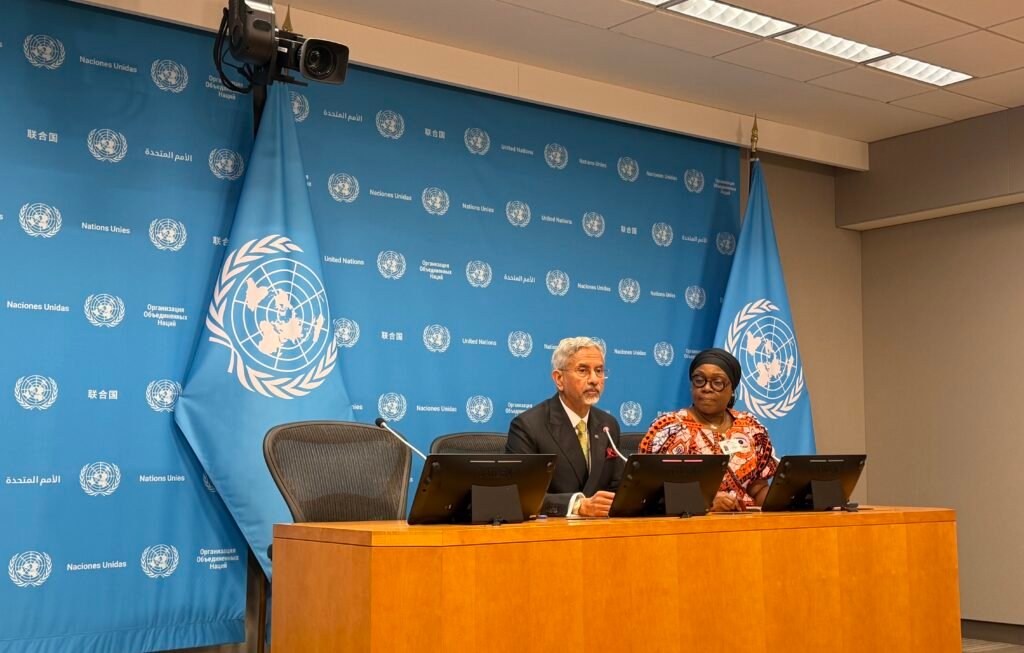
United Nations, New York: India’s External Affairs Minister S. Jaishankar said the United Nations is struggling to keep pace with a changing world and argued that calls for reform reflect a commitment to the institution.
“That the UN is seen as behind the curve, that’s not being anti-UN. It’s actually those who care for the UN who would like to reform the UN. I would suggest to you that those who oppose reforms are people who don’t really care. They are using the UN, but they don’t care for it,” he said at the fifth annual India Day event “Ruptures and Ramparts: Building Bridges for a Changing World,” in New York on September 24.
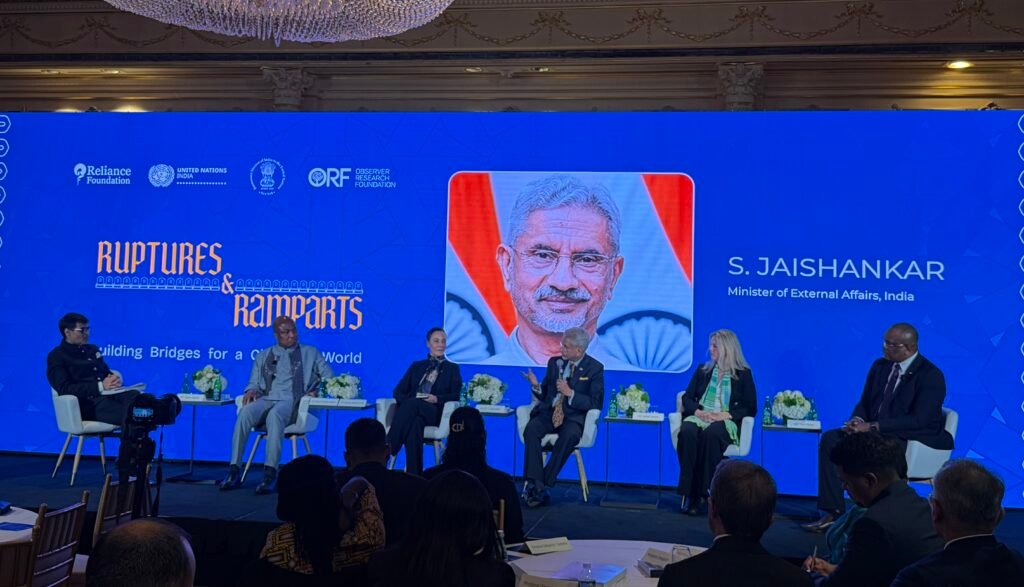
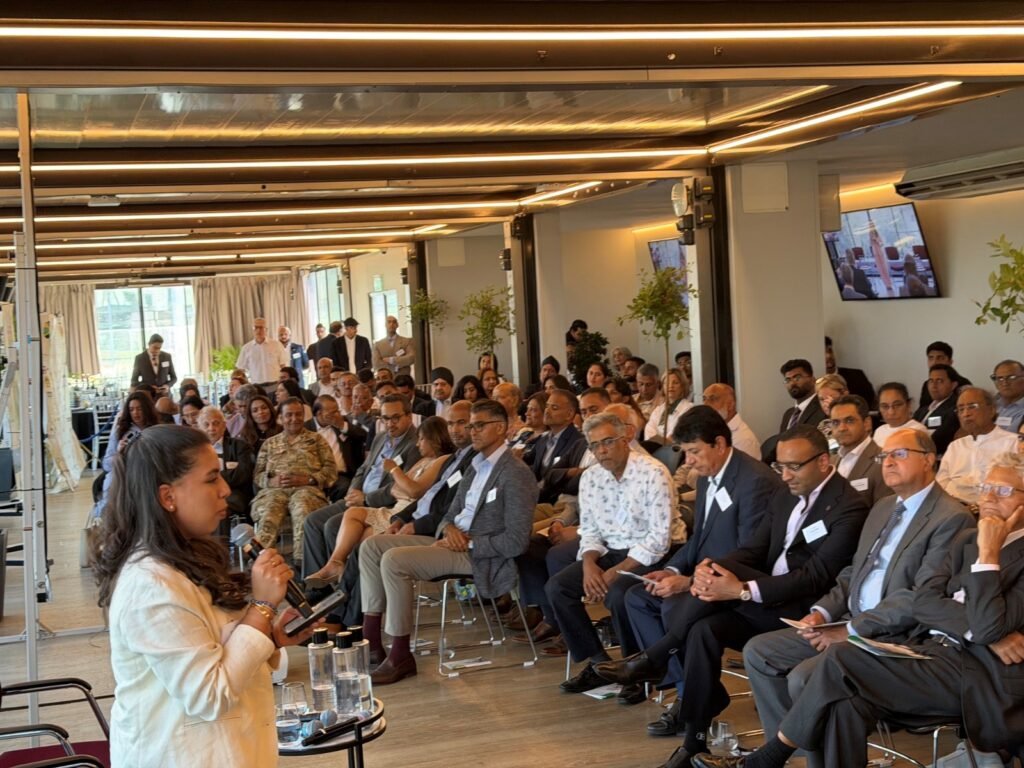
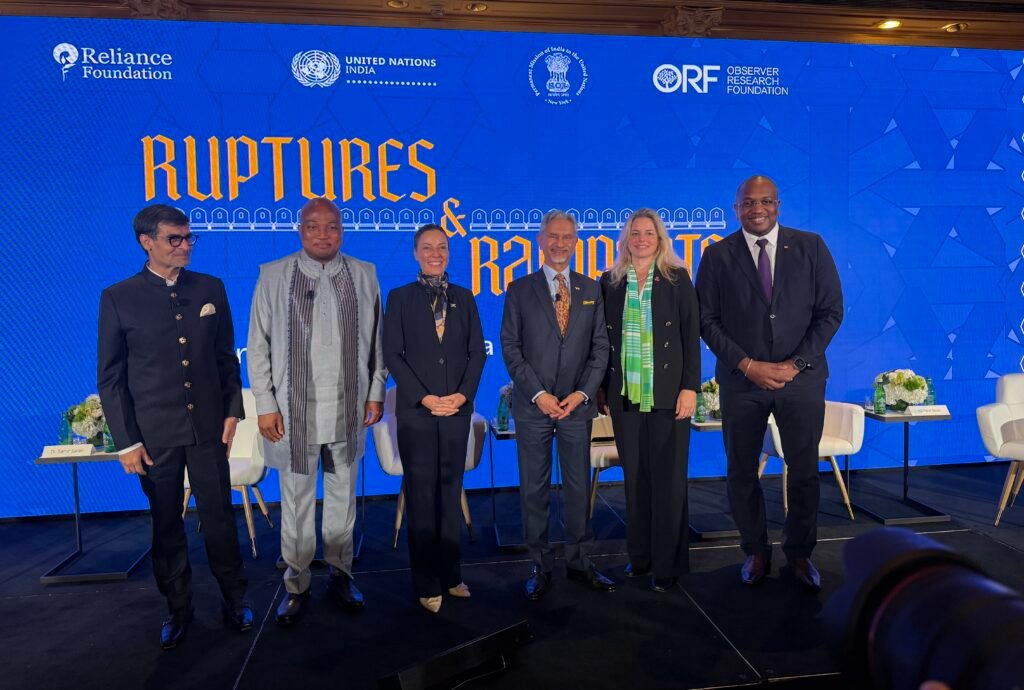
The event, held on the sidelines of the 81st United Nations General Assembly session, was jointly hosted by the Reliance Foundation, Observer Research Foundation (ORF), United Nations India and the Permanent Mission of India to the United Nations. Jaishankar was joined by Jamaica’s Minister of Foreign Affairs and Foreign Trade Kamina Johnson Smith; Suriname’s Minister of Foreign Affairs, International Business and Cooperation Melvin Bouva; Ghana’s Foreign Minister Samuel Ablakwa; and East-West Center President and Chief Executive Officer Celeste Connors. Speakers discussed multilateral reform, digital development and equitable governance of artificial intelligence. The event was moderated by ORF President Sameer Saran.
Jaishankar said support for UN reform had grown among member states he had met over the preceding two days. He called for negotiations based on a written text and said the process could not depend on unanimous agreement.
Advertisement
“The frustrations are mounting because, at the end of the day, if we are serious about reforms, we need some kind of text-based negotiation because you can’t have a negotiation without a text. I mean, then it’s not a negotiation,” he said. “If we are going to do reforms, we are not going to get reforms by unanimity. After all, in a democracy, even at home, we make our choices through a majority, through a vote. That’s a democratic way.”
He acknowledged that countries would hold differing positions. “Everybody should have a right to put their views forward, and then people need to take a vote,” he said.
While discussions about reform naturally focus on the UN’s “shortcomings,” Jaishankar said the organization had also served the world significantly over the past eight decades. He raised the question of how BRICS could help strengthen both the UN and the case for changing it.
Jaishankar described BRICS as a grouping whose members share certain interests and perspectives. He said its discussions had affirmed the UN’s central place in the international system. In his view, BRICS supports the organization, while many of its members also want it reformed.
He said BRICS offers a platform for “alternative thinking” and described it as a “non-Western platform.” Its growing importance, he said, reflects the increasing weight of non-Western views, contributions and beliefs in global debates.
Turning to diplomacy more broadly, Jaishankar said “trust” had become increasingly important because “values” are sometimes “preached” rather than “practiced.” Trust, he said, must be “earned.” “I mean, trust is record-based. It is empirical.”
Ghana’s Foreign Minister, Ablakwa, said the selection of the next UN secretary-general was drawing limited interest because more fundamental questions about reform remained unresolved. He called for a Security Council that better reflects the world as it is today, noting that many African countries were still colonies when the UN was established in 1945.
“We must first address the issue of reforms, and we cannot have a Security Council that does not have fair representation of the current composition of the world,” he said.
“You’ve kept this same structure for more than 80 years. So, let’s address the issue of reforms. Let’s ensure that the Security Council has Africa there. I have to commend India. When India had the opportunity to chair the G20, they brought Africa to the table and gave Africa a seat at the G20,” Ablakwa said. He added that the UN should learn from India’s example.
Ablakwa also questioned the continued use of the Security Council veto. “Why do we still have the veto?” he asked, saying it had “crippled” the organization.
Suriname’s Foreign Minister, Bouva, expressed support for India’s candidacy for the Security Council. “We equally supported India for its candidature for the Security Council because we believe that India has the values of security, of human rights, of protecting our rights as people in the Security Council. We give support to the candidate of India,” he said.
Bouva said countries must make choices that balance values, interests and trust amid polarization and geopolitical tensions. He urged member states to identify opportunities for cooperation with like-minded countries and within regional groups, including the African Union and the Caribbean Community, or CARICOM.
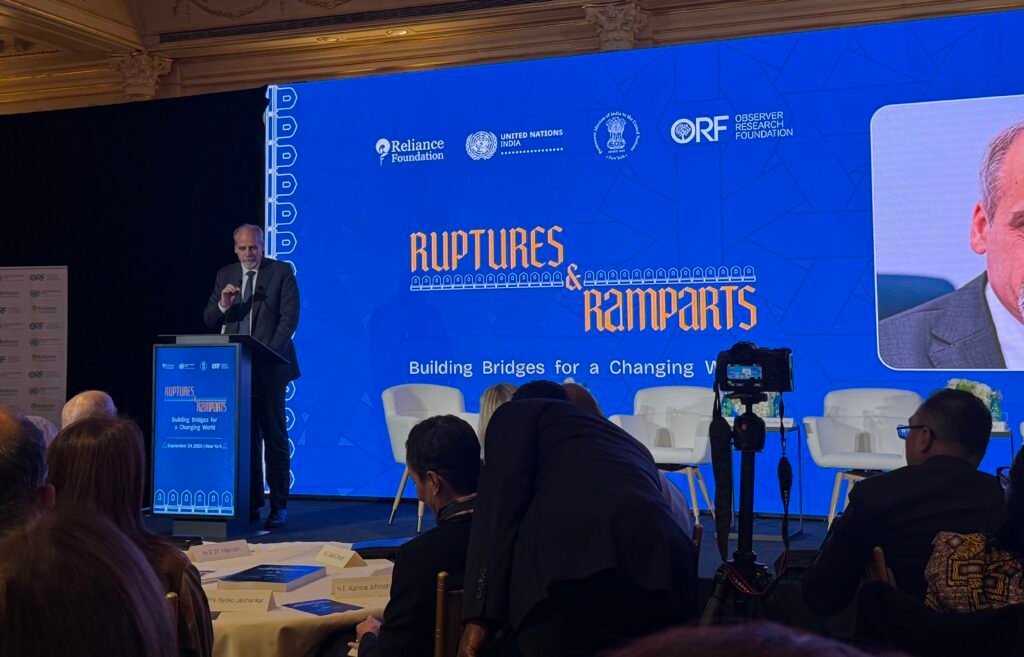
Connors of the East-West Center connected trust with resilience, saying resilience depends in part on how well countries know their neighbors. She said alternative arrangements could help support the broader multilateral system, even as countries continued to debate how best to strengthen it.
Johnson Smith, Jamaica’s foreign minister, said this was an “opportune moment” for a woman to lead the world’s largest multilateral institution. She suggested that a woman secretary-general could bring a different perspective to the reform efforts already underway.
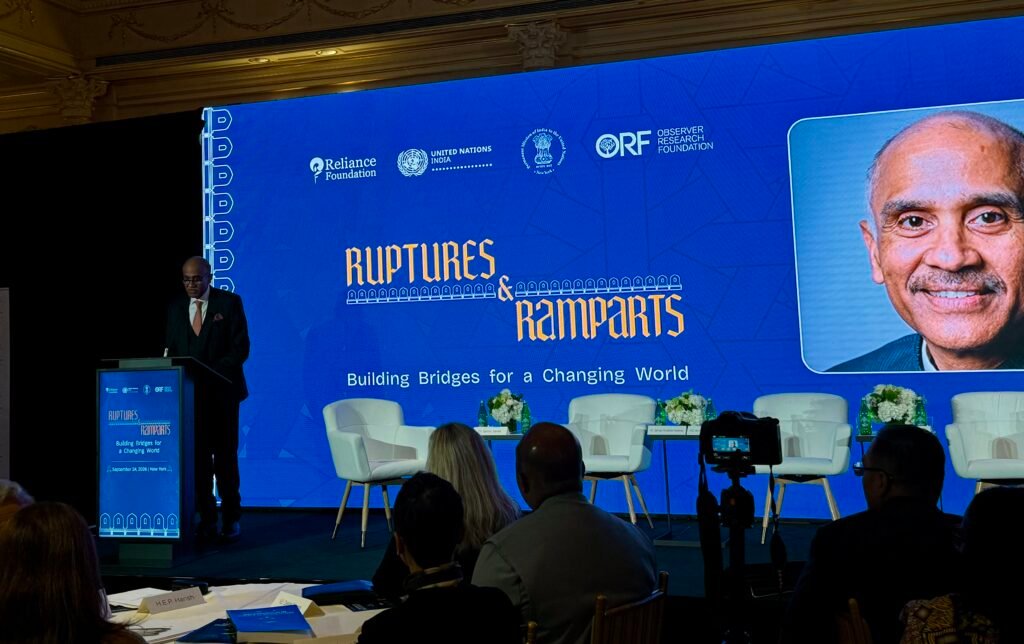
India’s permanent representative to the UN, Harish Parvathaneni, addressed the selection of a successor to the current secretary-general. He described the process as complex and said its straw polls were “opaque” and “reminiscent” of the ancient process for selecting a pope.
Harish also called for developing countries to have an equal voice in decisions about artificial intelligence. “We, the member states, recognize the need for a balanced, inclusive, and risk-based approach to the governance of AI, with full and equal representation of all countries, especially developing countries,” he said. Multilateral institutions, he added, still reflect the world of 1945.
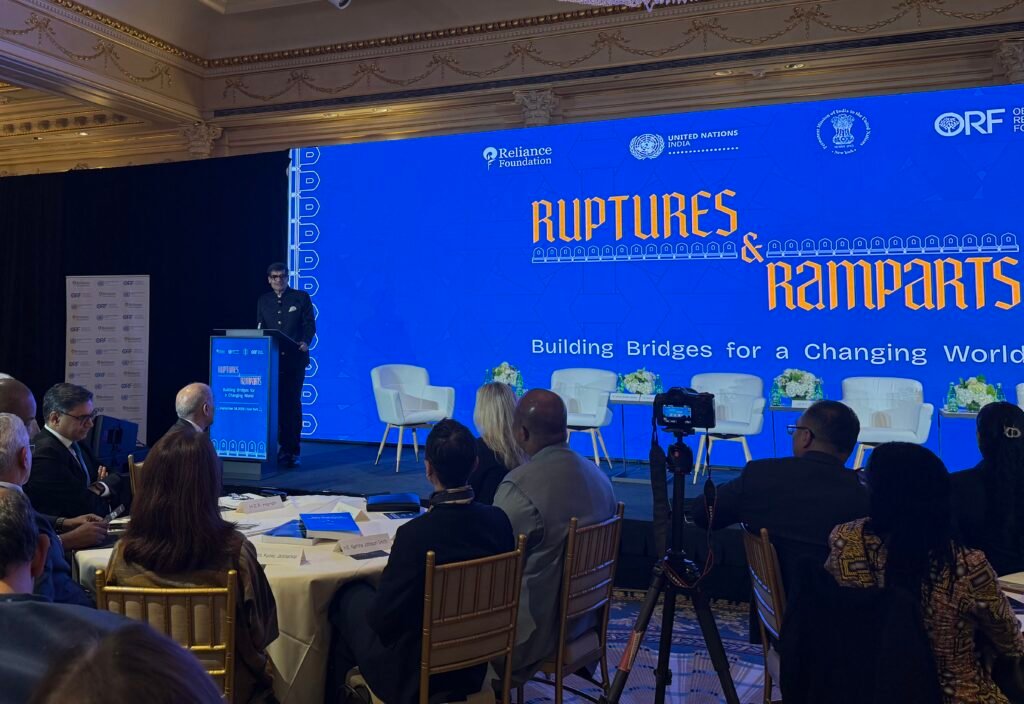
UN Resident Coordinator in India Stefan Priesner said the week’s discussions in New York showed a world becoming both more multipolar and more fragile. He pointed to resources directed toward conflict instead of development, slower progress in reducing poverty, rising debt and the difficulty many countries face in financing their futures.
In a divided world, Priesner said, building bridges has become a necessity. Countries of the Global South are increasingly taking the lead, he said, with India playing a significant role. He cited India’s G20 presidency for bringing developing countries’ priorities into global discussions.
In his opening remarks, ORF President Sameer Saran said the event would examine growth, development, stability and prosperity amid complex global politics. He also highlighted the relationship between technological change and the aspirations of millions of young people.