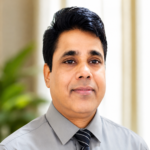
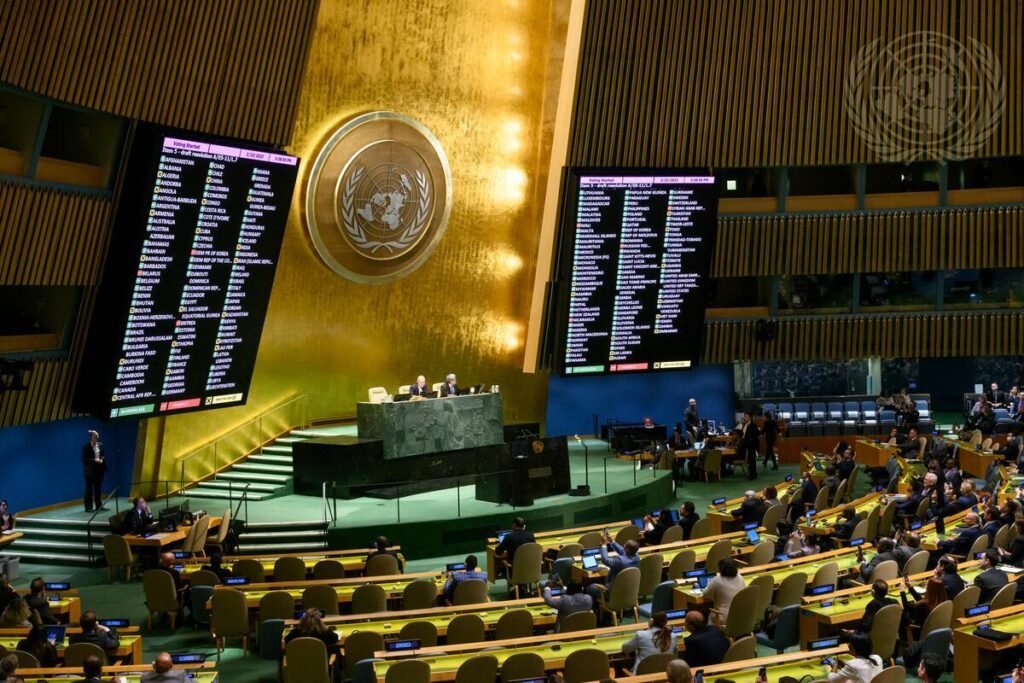
Bangladesh’s Foreign Minister Dr. Khalilur Rahman officially assumed the presidency of the United Nations General Assembly on September 8, taking charge of its 81st session. His appointment marks Bangladesh’s return to the prestigious position after a gap of nearly four decades.
Dr. Rahman secured the presidency in the June 2 election with 99 votes, defeating Cyprus’s nominee, Andreas S. Kakouris. A seasoned diplomat with more than 20 years of experience working with the United Nations in Geneva and New York, Rahman will oversee the Assembly’s proceedings throughout the session.
He is also scheduled to chair the high-level general debate beginning on September 22, an important segment of the UN calendar that is expected to draw the participation of world leaders, including Bangladesh’s Prime Minister Tarique Rahman.
Current Scenario of the Globe
Advertisement
The world is entering another critical chapter in its collective history. Armed conflicts, geopolitical rivalries, humanitarian crises, climate emergencies, technological disruption and declining public trust in international institutions are creating challenges that no country can address alone. At such a defining moment, the United Nations remains one of the few truly global platforms where nations can come together, deliberate and seek common solutions.
The 81st session of the United Nations General Assembly opens on 8 September 2026. As the principal deliberative, policymaking and representative organ of the United Nations, the General Assembly brings together all 193 Member States, with each country having one vote. It is the only UN body in which every Member State participates on an equal footing. Its responsibilities extend across peace and security, development, human rights, humanitarian concerns, the admission of new members and the UN budget.
Against this backdrop, Dr. Khalilur Rahman, President of the 81st session of the General Assembly, has identified six core priorities: peace and security; sustainable development; climate action; human rights and humanitarian issues; technology and artificial intelligence; and restoring trust in multilateralism.
These priorities are not isolated issues. They are deeply interconnected and reflect many of the greatest challenges confronting humanity today.
Peace and Security: Preventing Conflicts Before They Escalate
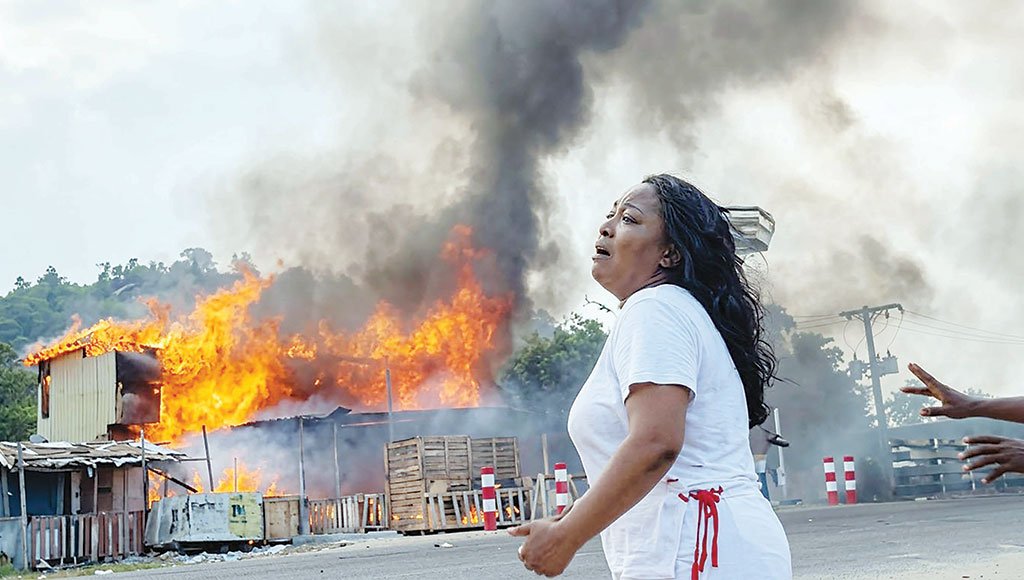
Peace and security remain at the heart of the United Nations’ mission. Yet the international community continues to face wars, political instability and deep geopolitical divisions. Armed conflicts cause immediate loss of life, but their consequences extend far beyond battlefields, destroying homes, schools, hospitals, livelihoods and infrastructure while displacing millions.
The first priority therefore places conflict prevention, political solutions and civilian protection at the forefront, while emphasizing the meaningful participation of women in peacekeeping and peacebuilding. The international community should not wait until conflicts become full-scale humanitarian catastrophes. Dialogue, mediation, diplomacy and political engagement can provide alternatives to violence. Sustainable peace requires inclusive political processes in which affected communities can help shape their own future.
Sustainable Development: Recovering Lost Ground
The second priority focuses on sustainable development and accelerating progress towards the Sustainable Development Goals (SDGs). The SDGs represent a global commitment to reducing poverty and inequality while improving health, education, decent work, environmental sustainability and human well-being. However, progress remains uneven, with many countries experiencing serious setbacks.
Development cannot be sustainable when large sections of humanity remain excluded from economic and social opportunities. Similarly, economic growth that destroys natural resources or widens inequality cannot provide a secure future. The international community needs renewed commitment, stronger partnerships and greater attention to vulnerable countries and communities. Ultimately, development should be measured not only by economic indicators but by whether people live safer, healthier, more dignified and resilient lives.
Climate Action: Protecting the Planet and Humanity
Climate action is the third priority, reflecting the urgent need to address climate emergencies and strengthen environmental protection. Climate change is no longer a distant environmental concern; it is increasingly linked to food security, water availability, health, migration, livelihoods and economic stability. Extreme weather events can erase years of development gains within hours.
For vulnerable countries and communities, climate action is therefore a matter of survival and justice. Environmental protection must be integrated into development planning, with greater efforts to protect forests, ecosystems and natural resources. Humanity cannot secure a prosperous future by destroying the natural systems upon which life depends.
Human Rights and Humanitarian Issues: Putting People First
The fourth priority emphasizes stronger protection for vulnerable groups, refugees and displaced communities. Humanitarian crises frequently emerge alongside war, persecution, disasters and political instability. Refugees and internally displaced people often lose not only their homes but also access to education, healthcare, employment and basic security.
A human-centered international system must ensure that vulnerable people are not forgotten when global attention shifts elsewhere. Human rights must remain universal and indivisible, regardless of nationality, political circumstances or economic status. Protecting vulnerable populations is essential to building peaceful, inclusive and resilient societies.
Technology and Artificial Intelligence: Governing the Future
The fifth priority addresses the opportunities and risks created by rapid technological development, particularly artificial intelligence (AI). AI could transform education, healthcare, agriculture, scientific research and public services. At the same time, it raises serious concerns about inequality, privacy, employment, accountability and access.
The digital divide could widen existing inequalities if advanced technologies remain concentrated in a limited number of countries and institutions. Inclusive global governance is therefore essential. Developing nations must have meaningful opportunities to participate in decisions shaping the technological future. Technology should become a tool for shared progress rather than another source of global division.
Restoring Trust in Multilateralism
The sixth priority may ultimately determine whether the other five can succeed. It calls for meaningful UN reform to make the Organization more effective, transparent and “fit for purpose,” while addressing the growing trust deficit among Member States.
Multilateralism depends on trust. Countries must believe that international institutions can provide fair platforms for dialogue and collective action. UN reform is therefore not merely an administrative matter; it is directly connected to the credibility and effectiveness of the international system.
A more responsive, transparent and inclusive United Nations could help restore confidence in multilateral cooperation. Ultimately, these six priorities share one central message: global challenges cannot be solved by countries acting alone. They require collective responsibility, political courage and renewed commitment to a more peaceful, sustainable, just and inclusive world.
A Shared Agenda for a Shared Future
The six priorities of the 81st General Assembly session offer a comprehensive framework for addressing the interconnected crises of our time. Peace and security cannot be separated from development. Development cannot be separated from climate action. Climate vulnerability often intensifies humanitarian crises. Technology can either reduce inequalities or deepen them. And none of these challenges can be effectively addressed without credible multilateral cooperation.
The opening of the 81st session therefore provides an opportunity for Member States to move beyond declarations and translate shared priorities into meaningful action. The General Assembly’s unique character – bringing all 193 Member States together on an equal voting basis – gives it an important platform for global dialogue.
The challenges are enormous, but so is the opportunity. Humanity’s future will depend on whether nations can rediscover the value of cooperation in an increasingly divided world.
The six priorities ultimately convey one fundamental message: the world’s problems are shared, and their solutions must also be shared. If the international community can strengthen peace, accelerate sustainable development, protect the planet, defend human dignity, govern emerging technologies responsibly and rebuild trust in multilateralism, the United Nations can remain a powerful instrument for creating a safer, fairer and more sustainable future for all.
Disclaimer: The opinions and views expressed in this article/column are those of the author(s) and do not necessarily reflect the views or positions of South Asian Herald.