Join WhatsApp Channel

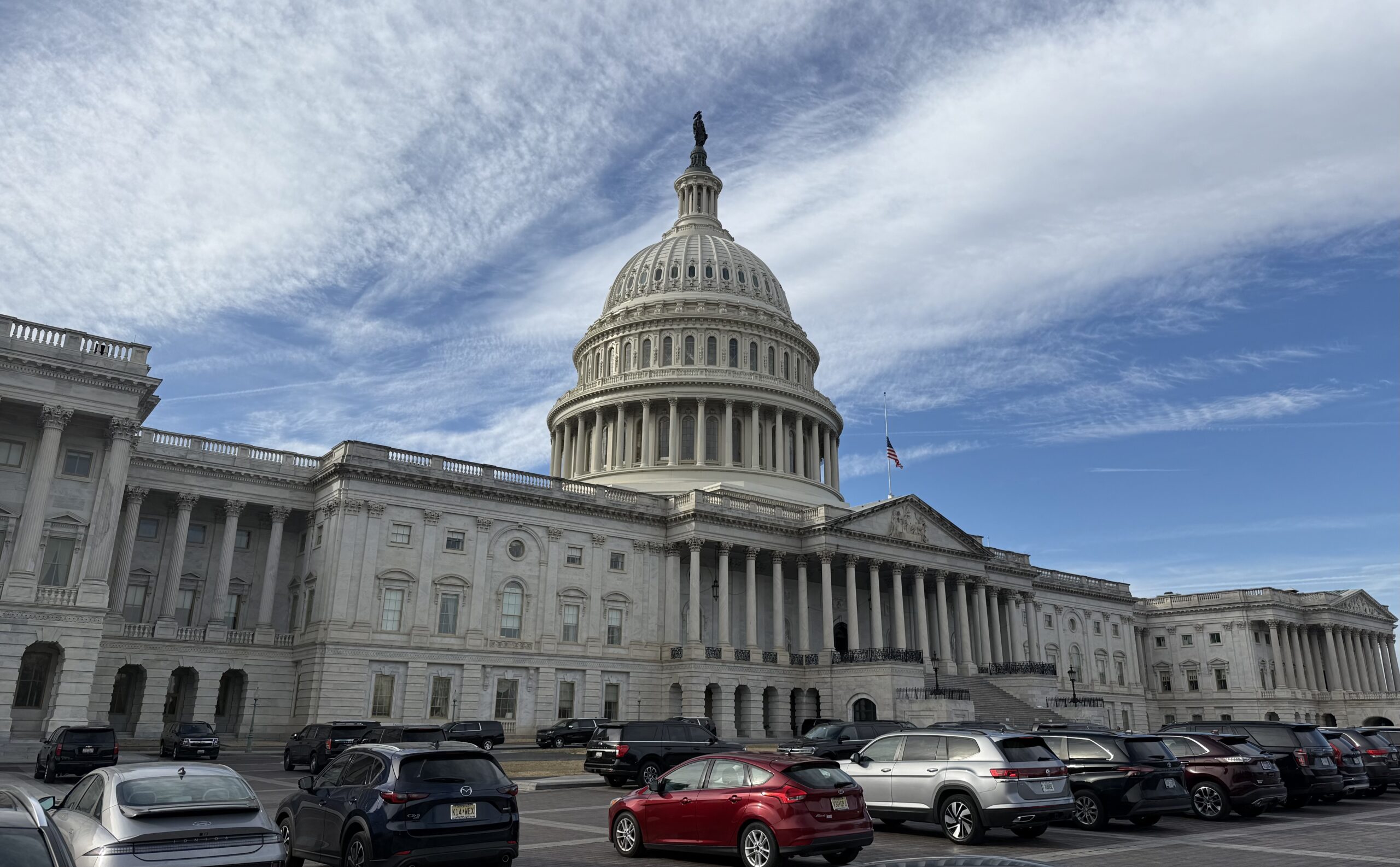
The November 3, 2026, mid-terms could well turn out one of the most divisive political contests in America, not in terms of the barbs and insults thrown around but, in the anxiety, it has created among Republicans and Democrats of what the future may hold. And this would include the White House which would be in deep trouble should things go awry on that first Tuesday of the month. There is no doubt that the Republicans are keen to throw whatever they have at the Democrats including the kitchen sink to make sure they are on top on Capitol Hill in the House of Representatives and Senate.
But even for those Republican law makers seeking re-election or entering the fray for the first time, the ground realities appear different. It is of an environment of apprehension and bewilderment even if on surface there is an air of confidence that things will eventually work out for the Grand Old Party. But the PACs, Super PACs, strategists and money bags are looking differently. Slowly but steadily, the euphoria is turning to nervousness, if not downright panic.
How else can one explain the solid red states and places where President Donald Trump won by large percentages in 2020 and 2024 are seen as vulnerable; and how to see the shifting of resources to seats and candidates that should be seen comfortable? Suddenly Texas, Florida, Ohio, Kansas and Oklahoma are drawing attention of the GOP strategists when their attention should be elsewhere; and President Trump’s repeated visits to Texas have raised eyebrows among political analysts and media commentators.
It is not as if Democrats are taking it easy or have all their numbers wrapped up in the House and Senate. The party knows well that even if they manage to put up a good fight for both Chambers, it would have to manage their own flock in the aftermath of any win. It is not as if the days of the party elders are numbered, but the Progressives and the left-of-center are pushing hard for their voices to be heard. And this was well reflected in the selection of candidates for the primaries and the jostling for policy platforms.
With less than four weeks to go and the race down to the stretch, the focus is on the President and in the impact he is going to have on the Republican party. With an approval rating between 32 percent and 29 percent, President Trump is seen as being 8 percentage points lower than former President Joe Biden was during the 2022 mid-terms. Two thirds of his voters still support his job performance, but down sharply from the 95 percent approval posted at the start of his second non-consecutive term.
“Pretend that I’m on the ballot. I’m on. Just one more time,” President Trump told a crowd at the first ever Republican National Committee’s mid- term convention in Dallas, promising every American adult a US$ 5000 cheque if the GOP retains control of Congress. Just how he is going to raise an estimated US$ 1.2 Trillion was not spelt out. But the backdrop was clearly seen in a poll that showed that among registered voters’ 44 percent preferred Democrats as opposed to 37 percent for Republicans. Independents also favored Democrats by a 37 percent to a 21 percent margin over Republicans.
What is bound to trouble the GOP is of President Trump losing ground or taking deep hits in demographic groups that stood by him in 2024. For instance, the Hispanics as a voting bloc is shifting away from the President, attributed to primarily two reasons: economy and immigration policies, especially as it pertained to mass deportations. One survey puts President Trump’s job approval rating by Hispanics at 24 percent with 52 percent saying that they would support a Democrat in the mid-terms. The GOPers are worried especially of red states like Texas and Florida that have the largest Hispanic populations.
The focus is also on the Black voters which is strongly Democratic, but where President Trump made impressive inroads winning 8 percent of the vote in 2020 and nearly doubling it to 15 percent in 2024. According to one estimate this demographic swung 21 percent toward the GOP between 2020 and 2024 even if Black women accounted for only a 11-point swing toward the President. But the disapproval rating is said to be in the range of 75 percent today with much of impact going to be felt in the Southern states that had felt the pinch of redistricting.
With both parties’ throwing money in the final days of the campaigning as if it was going out of style, a lot of attention is in the suburban areas of battleground states where in the past the Indian American vote has mattered as a swing vote. The Republicans had been doing well managing to wrench away a good percentage of the community’s strong Democratic support; but has recently appeared to have got on the wrong side by trying to squeeze routes for Indian students and IT professionals to settle permanently in the United States.
This week the Trump administration blocked eight top Indian and American firms from seeking permanent residency for workers through the H1B visa route. “Stop defrauding the American worker. Stop importing an indentured servant to do a job that an American worker would happily do,” Vice President J.D. Vance said. In the short-term perspective, the policy call might come at a wrong time and cost votes. But the implications of trying to play up to a voting base as opposed to looking out for America’s educational and technological edge over the world will surely be felt down the road.
Disclaimer: The opinions and views expressed in this article/column are those of the author(s) and do not necessarily reflect the views or positions of South Asian Herald.