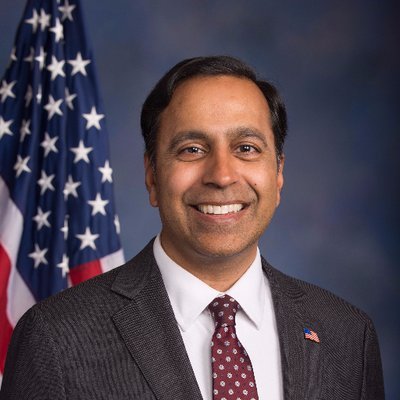
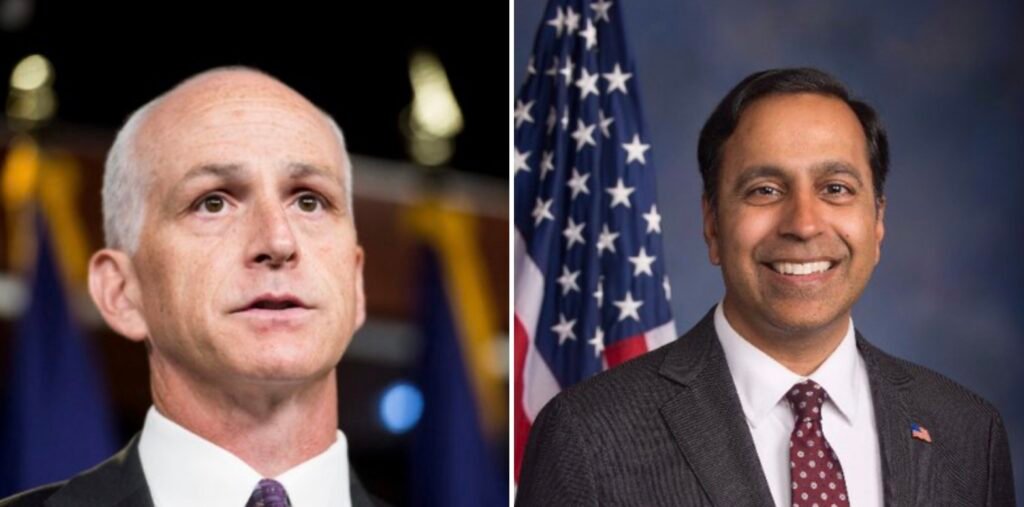
Reps. Raja Krishnamoorthi (D-IL) and Adam Smith (D-WA) have introduced two bills aimed at helping immigrants join the U.S. health care workforce and addressing shortages of medical professionals.
The Immigrants in Nursing and Allied Health Act and the Internationally Trained Physicians Assistance Act would support training, licensing and certification for immigrants seeking health care careers, including physicians educated outside the United States.
According to a statement from Krishnamoorthi’s office, a 2022 Migration Policy Institute study found that 2.1 million college-educated immigrants were unemployed or underemployed. The statement also cited an Association of American Medical Colleges projection of a shortage of up to 48,000 primary care physicians by 2034.
“Skilled doctors, nurses, and other health professionals should have the opportunity to put their training and expertise to work caring for patients,” said Krishnamoorthi. “Our legislation would help qualified immigrants overcome unnecessary barriers to entering the health care workforce while helping communities address critical provider shortages. When we make better use of the talent already in our communities, we strengthen our health care system and expand access to care.”
Advertisement
Smith said the legislation would help address obstacles that prevent qualified immigrant professionals from practicing in the United States.
“We have thousands of skilled nurses, doctors, and health professionals in this country whose training and expertise are going to waste because their professional expertise is not recognized and they face numerous barriers to achieving the needed licensure. At the same time, our health care system is stretched thin and patients are waiting longer for care,” said Smith. “This bill package helps immigrants put their skills to work and serve their communities and will rebuild the health care system.”
The Immigrants in Nursing and Allied Health Act would establish grants for programs offering training, licensing, certification and case management to immigrants interested in health care careers, regardless of their previous experience in the field. It would also extend eligibility for the National Health Service Corps to immigrants who are not U.S. citizens.
The statement estimated that approximately 200,000 nurses would need to be hired annually to meet growing demand and replace retiring workers. The bill would also support immigrants pursuing careers as dental hygienists, dietitians, medical technologists, occupational therapists, physical therapists, respiratory therapists and speech-language pathologists.
The Internationally Trained Physicians Assistance Act would encourage states to establish temporary licensing programs that allow immigrants with medical degrees earned abroad to practice under supervision while completing the training and certification required for a U.S. medical license.
It would also establish guaranteed residency positions for internationally trained physicians serving primarily in medically underserved communities. Grants would help eligible physicians with financial need cover expenses related to exam preparation, testing, certification, English as a second language classes and case management.
According to the statement, additional licensing requirements and the costs of examinations, preparation and certification can prevent internationally trained physicians from obtaining U.S. medical licenses. Although several states have established alternative licensing pathways, the bill’s sponsors say federal support would help extend those efforts and improve access to care.
Organizations supporting the legislation said the proposals could help communities draw on the skills of immigrant and refugee health professionals who are unable to work in their trained fields.
“Across the U.S., communities face critical health workforce shortages, yet immigrant and refugee health professionals, who possess in-demand skills, remain underemployed. Communities need this talent, and recognizing it is an essential step. By streamlining licensure and addressing unnecessary barriers, we can meet urgent labor needs and improve access to quality care. We support efforts, including at the state and federal levels, to advance policies that promote community prosperity by ensuring that immigrants can fully contribute their training and skills to their local economy,” said Kit Taintor, head of U.S. policy and practice at World Education Services.
Alice Kang, president of Upwardly Global, said the bills would expand opportunities for immigrant professionals while responding to workforce needs.
“We are proud to support these bills, which will expand opportunities for immigrant professionals while helping address critical workforce shortages in the healthcare sector,” said Kang. “With demand for healthcare workers rising nationwide, we should be creating pathways that allow qualified immigrants and refugees to contribute their expertise. This legislation will strengthen our healthcare system, bolster the economy and support safer, more resilient communities. Upwardly Global will continue to stand with Rep. Smith in moving this work forward.”
Tamara Cyhan Cunitz, executive director of the Nashi Immigrants Health Board, said members of her organization face financial and administrative barriers despite their medical qualifications.
“Many members of our team hold advanced education and expertise in medicine, nursing, and behavioral health. Yet they are unable to practice here due to costly additional education requirements and complex licensing procedures. At a time when we are confronted with a significant healthcare provider shortage, and as we work to diversify the healthcare workforce, it is critical to consider policies that create pathways for these highly skilled professionals to contribute to patient care,” said Cunitz. “These bills introduced by Rep. Smith would expand opportunities for immigrant healthcare professionals to serve patients in our community and region. These measures would not only strengthen our workforce with qualified providers but also enable community members to receive care from clinicians who understand their language and cultural background.”
The legislation has been endorsed by the International Medical Graduates Academy, Nashi Immigrants Health Board, Northwest Immigrant Rights Project, Sea Mar Community Health Center, Seattle Indian Health Board, Spring Institute for Intercultural Learning, Talent Beyond Boundaries, Upwardly Global and World Education Services.