Join WhatsApp Channel

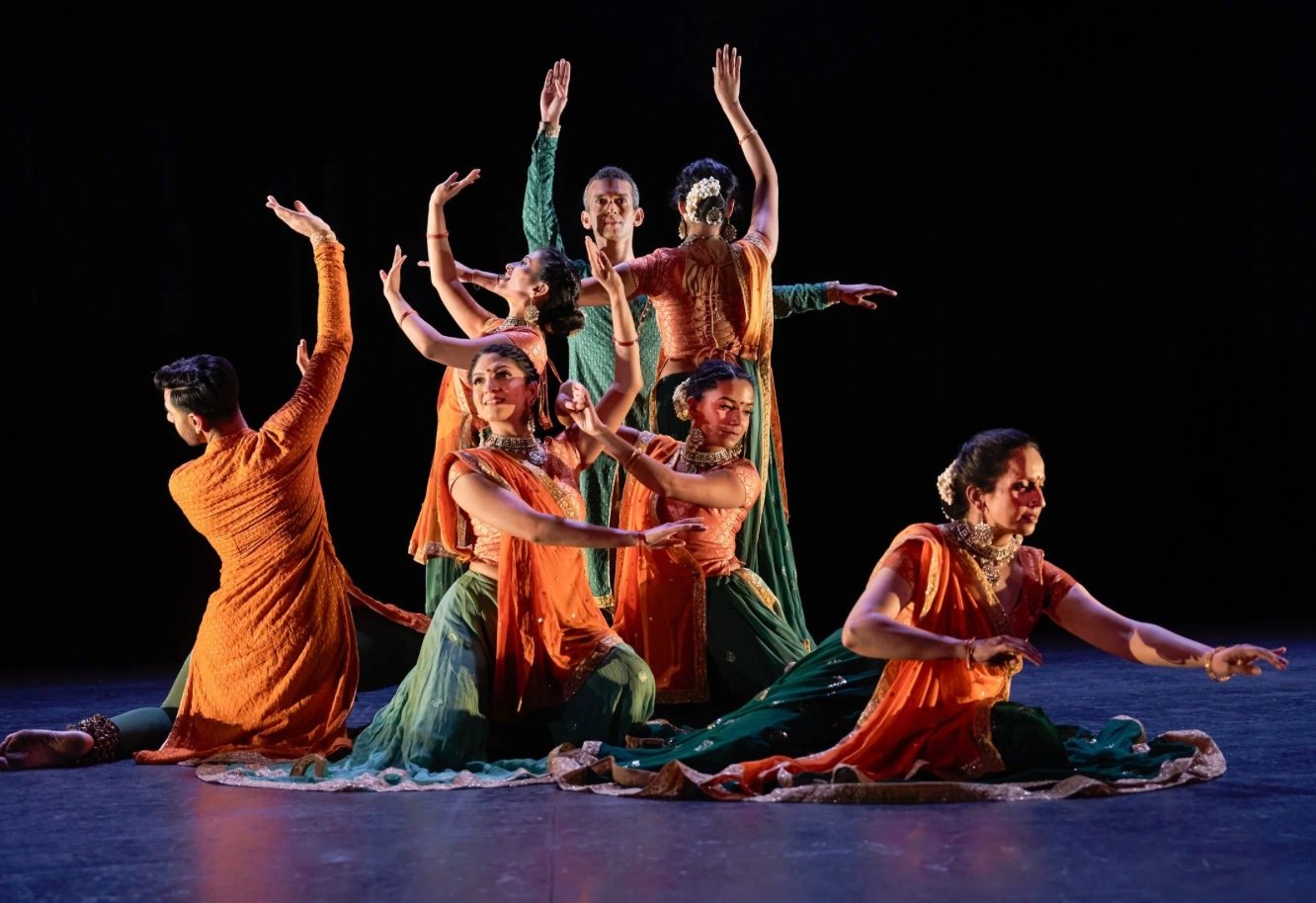
Pagrav means “the sound of feet” a name that carries within it movement, rhythm and the presence of the dancer. Pagrav Dance Company exists in the UK to ensure that Kathak is not only preserved, but also given the freedom to grow, question, collaborate and speak meaningfully to contemporary life.
Kathak is one of India’s major classical dance forms, with a rich history of storytelling, rhythm, music and movement. For audiences outside the UK, it is important to understand that Indian classical dance has long been part of British cultural life, yet it does not always receive the same visibility, critical attention or institutional investment as other art forms. Our work is therefore both artistic and cultural: we create ambitious contemporary performance rooted in Kathak, while helping to build an environment in which the form, its artists and its audiences can flourish.
The organization’s journey is a very personal one.
Pagrav was first established in India in 1983 by my mother and her sisters. I founded the UK organization in 2005, and over the past two decades it has developed into a space for performance, education, artist development and cultural exchange. Our productions bring Kathak into conversation with contemporary dance, theatre, design, live music and wider social questions. Alongside creating and touring work, we teach children and adults, support artists and enable people to encounter Indian classical dance at different stages of their lives.
This matters because representation is not simply about who is visible on stage. It is also about who is trusted to lead, whose artistic language is taken seriously, and which cultural traditions are allowed to be complex and continually evolving. We want younger artists, including those from South Asian communities, to see that they do not have to choose between respecting tradition and developing an individual contemporary voice. Both can coexist.
Funding this work remains challenging. Pagrav is supported as a National Portfolio Organization by Arts Council England, the national body that invests public money in arts and culture. This provides an important foundation, but it does not cover the full cost of creating productions, employing artists, operating our studio, delivering participation programmes or touring nationally and internationally.
We therefore rely on a combination of public funding, charitable trusts and foundations, project grants, earned income, partnerships and individual support. Organizations working in Indian classical dance are often expected to demonstrate artistic excellence, community relevance, educational impact, international ambition and financial resilience simultaneously, while operating with comparatively small teams and limited unrestricted income. Funding supports not only the performance audiences eventually see, but also the research, rehearsals, administration, access, marketing and sustained relationships that make meaningful artistic work possible.
The UK’s Indian classical dance sector has been shaped by many organizations and individuals. Historically, organizations such as Akademi, Sampad and Kadam have contributed to the infrastructure surrounding the art forms, through artist development, presentation, advocacy and public engagement. One Dance UK has also supported the wider dance sector. This collective work has helped create foundations from which artists and companies can develop.
Today, organizations contribute in different ways: some concentrate on training and artist development, while others focus on communities, festivals, performance or advocacy. Several artists and companies such have helped take work informed by Indian classical dance to broader national and international audiences. No single organization can build the field alone; its future depends upon collaboration, shared knowledge and sustained investment.
Pagrav’s board of trustees plays an essential role in the company’s development. In the UK charitable system, trustees provide independent governance: they safeguard the organization’s purpose, oversee its finances and responsibilities, and help shape its long-term direction. Each trustee brings an individual perspective, area of knowledge and positive contribution. Their importance lies not only in professional expertise, but also in their belief in the work and commitment to helping Pagrav develop responsibly and ambitiously.
For me, Pagrav is ultimately about creating work of artistic depth while building something that can outlast any single production. It is about honoring where Kathak comes from, expanding where it can go, and ensuring that Indian classical dance and the South Asian communities connected to it are recognized as integral to Britain’s cultural life and future.
Disclaimer: The opinions and views expressed in this article/column are those of the author(s) and do not necessarily reflect the views or positions of South Asian Herald.