Join WhatsApp Channel

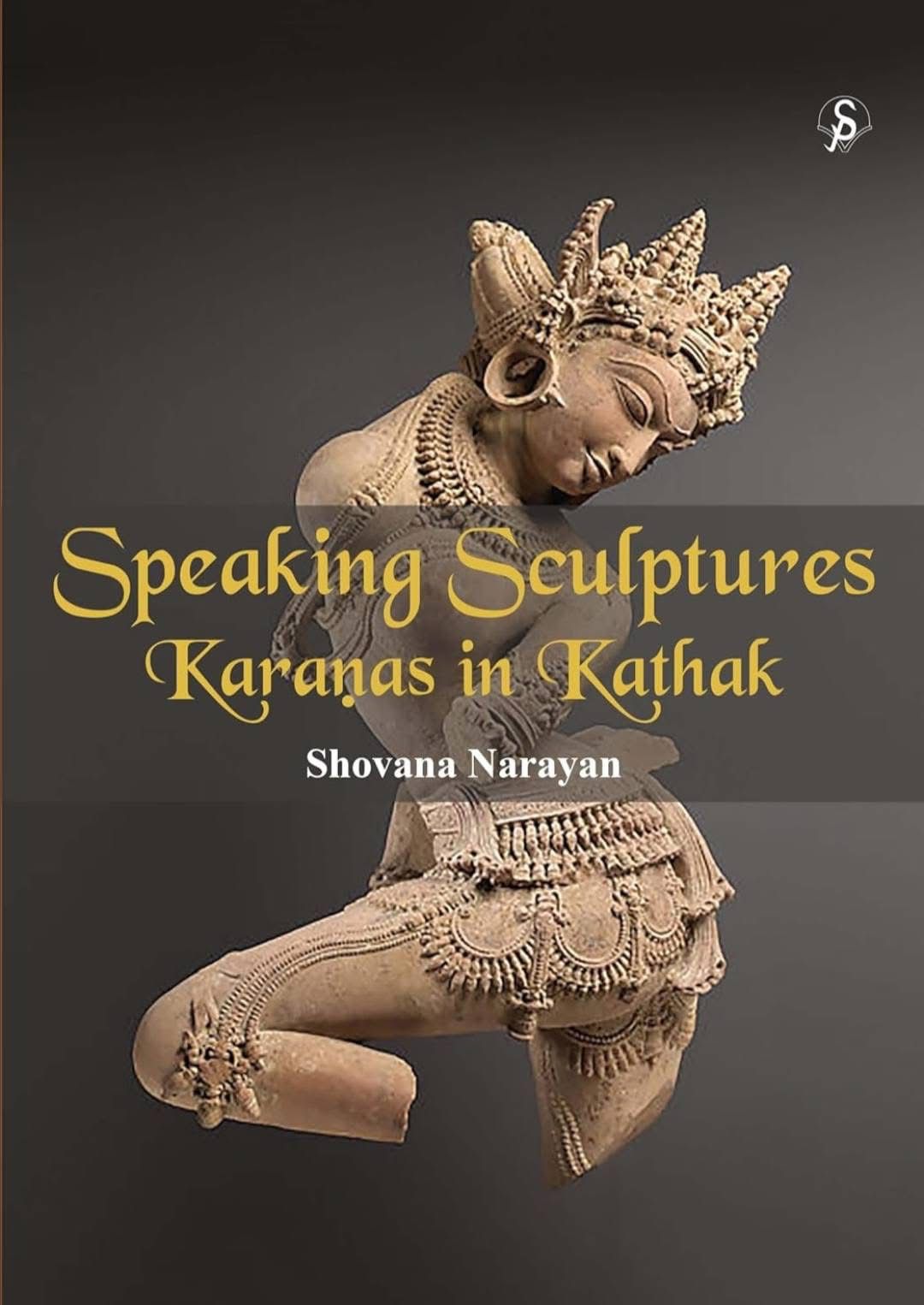
The India International Centre (IIC) will host a presentation of the book Speaking Sculptures: Karanas in Kathak, published by Shubhi Publications, on July 25, 2026, at 6:30 p.m. at the C.D. Deshmukh Auditorium in New Delhi, India.
According to a statement, the event will feature a presentation of the book, followed by a panel discussion and a dance performance by the disciples of Padma Shri Guru Shovana Narayan based on the karanas. The program will be attended by Dr. Sandhya Purecha, Chairperson of the Sangeet Natak Akademi; Dr. Sachchidanand Joshi, Member Secretary of the Indira Gandhi National Centre for the Arts (IGNCA); and Dr. Bharat Gupt, Vice Chairman of the National School of Drama and Trustee and Executive Member of IGNCA.
Speaking Sculptures: Karanas in Kathak explores the relationship between sculptural representations of the karanas and the living tradition of Kathak. Drawing on the sculptural heritage of the Indo-Gangetic and Vindhyan regions, the book presents these works as visual records that preserve elements of dance, including movement, costume, gesture, and musical traditions.
According to the statement, the publication traces connections between ancient Indian dance theory and contemporary Kathak while reexamining widely held assumptions about the origins of Kathak’s movement vocabulary, costume traditions, and musical instruments. The study does so through sculptural evidence that has been scientifically and archaeologically dated.
“For a long time, I wanted to understand how the movement vocabulary of Kathak could be read through India’s sculptural heritage. This work is an attempt to bring together the evidence preserved in sculptures, the descriptions in the Nāṭyaśāstra and the living tradition of Kathak. The intention is to encourage a dialogue between archaeology, texts and performance, allowing the sculptures to be viewed as records that continue to speak to us today,” says Padma Shri Narayan, author of Speaking Sculptures: Karanas in Kathak.
The book examines a question that has long interested scholars and practitioners: the origins of Kathak and the “historical roots of its movement vocabulary.” Central to this inquiry is the Nāṭyaśāstra, the foundational Sanskrit treatise on the performing arts, which describes 108 karanas, integrated units of coordinated movement involving the “hands, feet, torso and head that form the grammar of classical Indian dance.”
The statement noted that although the karanas are most commonly associated with the Chola temples of South India, the lack of a comparable body of sculptural evidence in North India has contributed to the belief that the karana tradition did not flourish there and that Kathak evolved much later under the influence of medieval and Mughal courts.
“Rather than treating temples as manuals of dance notation, the book identifies karanas in sculptures created for devotional and narrative purposes, including images of deities, celestial beings, attendants, musicians and dancers,” the statement said. “The study spans the Indus Valley Civilization through the Mauryan, Śuṅga, Gupta and later periods up to the seventeenth century, drawing on temples and museum collections across the Indo-Gangetic plains, Central India and the Vindhyan region. Each sculpture is examined by comparing its posture, movement and gesture with descriptions in the Nāṭyaśāstra and with photographs of contemporary Kathak dancers performing the corresponding karanas.”
The statement added that the book also explores costume traditions and musical accompaniment through sculptural evidence, correlating depictions of garments, instruments, and dance postures with textual references and contemporary Kathak practice. It concludes that Kathak represents a continuous expression of the dance theory articulated in the Nāṭyaśāstra, preserved through the guru-śiṣya paramparā and the archaeological record.
The evening will conclude with a dance presentation by Guru Narayan’s disciples, illustrating the karanas through a teaching approach that integrates their Sanskrit names with Kathak’s rhythmic and movement vocabulary.
Related posts:
 Book Review: “Mahakumbh” A Mighty Event, A Mighty Book
 Bay Area Artist Reimagines Ramayan Through Visual Storytelling
 Bridgewater Commons to Host Grand Diwali Celebration with Music, Dance, and Cultural Festivities
 Former Vice President Jagdeep Dhankhar to Preside Over Launch of Yakub Mathew’s ‘Seeking The Infinite’ at IIC