
While much of the world is being ravaged by conflict and unsavory controversy, the Japanese have chosen a novel way to deliver a powerful message: peace and discipline are the way to the well-being of the populace. It is respect for human values that makes the average Japanese person stand head and shoulders above others. One of the most industrialized societies in the world, Japan continues to excel in areas that allow it to shun conflicts, both economic and social. The excellence the country has achieved in various fields, including industry and sports, needs no corroboration.
Ever since I arrived in Japan for the 2026 Aichi Asian Games, I have found, to my pleasant surprise, that locals have been greeting their guests, especially those from the 45 member nations of the Olympic Council of Asia (OCA), with open arms and big smiles on their faces. Though language is a barrier, as not many speak English here, they show that they are more than willing to take a few extra steps to tell the world why they are good hosts as a nation.
To convey its message loud and clear, Japan has chosen major sporting events, one after another, to showcase its industrial growth and the prosperity of its people. After organizing the 2020 Summer Olympic Games, which were held after a one-year postponement because of the pandemic, the Japanese are back again with the latest edition of the Asian Games, which has outgrown the size and scope of the Summer Olympic Games. Competitions in more than 40 sports, including several indigenous sports, may have generated some controversies, but the hosts have mostly been unperturbed, as they are driven by the principle of doing things the way they know best.
Driven by the universal approach of cutting costs, the hosts of the 2026 Asian Games have preferred to use a cruise ship as the “athletes’ village” rather than build a new urban housing complex that would raise the cost of holding the mega continental event exorbitantly.
Advertisement
Some of the complexes built or renovated for the 2020 Olympic Games have been made venues for the Asian Games. Though some of the main members of the OCA differed with the organizing committee, it refused to budge. Initial reports were critical of the board and lodging arrangements for athletes and officials; the organizers reveled in their damage control measures to keep the criticism subdued. Actions, rather than statements, were used to address the issues.
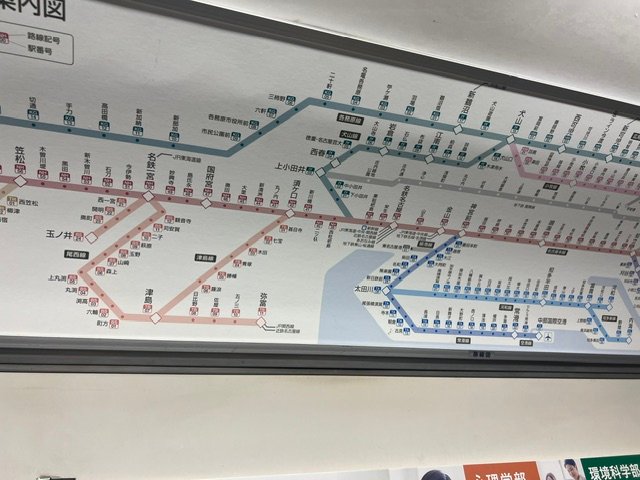
Japan has an extensive public transportation system that has been put to full use to transport athletes, officials and even members of the media to various competition venues. Long journeys and delays are natural consequences of a system that is used simultaneously by the local population as well.
Language has been the main barrier, as not many locals speak the languages of their guests. Still, the organizers have attempted to use multilingual volunteers at most common points of interaction to ensure that no one has to wait any longer for solutions to problems related to logistics, including transportation.
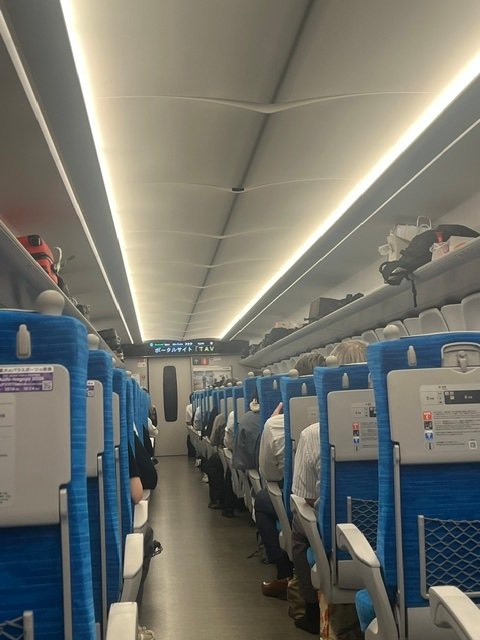
After we landed in Osaka on a direct Air Canada flight from Toronto, we were initially assisted by Air Canada ground staff. A young man from Sri Lanka, who moved to Canada a little more than six years ago, helped us get onto a connecting train that took us from Osaka International Airport to Shin-Osaka, a nearby station. There, we were warmly greeted and helped to complete our journey to Nagoya Station. We presume that the JR line stands for Japan Rail and operates in the public-private sector.
To avoid any further language barriers, each of us, whether a civilian or a member of a service, made sure we had instructions in Japanese for reference or to seek help if we got stranded. Such a warm, friendly and helpful approach from everyone we met in public places, including metro and mainline railway stations and on the streets, made our respect for the Japanese grow rapidly.
At times, people would go out of their way to offer us solutions to our problems. Someone in the neighborhood of our Airbnb accommodation even offered to take us to the nearby metro station, while another person brought us the business card of a taxi service that operates in the suburb where we are staying. In less than three days, the average Japanese person has won us over with warm and selfless hospitality. Other nations need to take a leaf out of the book of their Japanese hosts.