 Join WhatsApp Channel

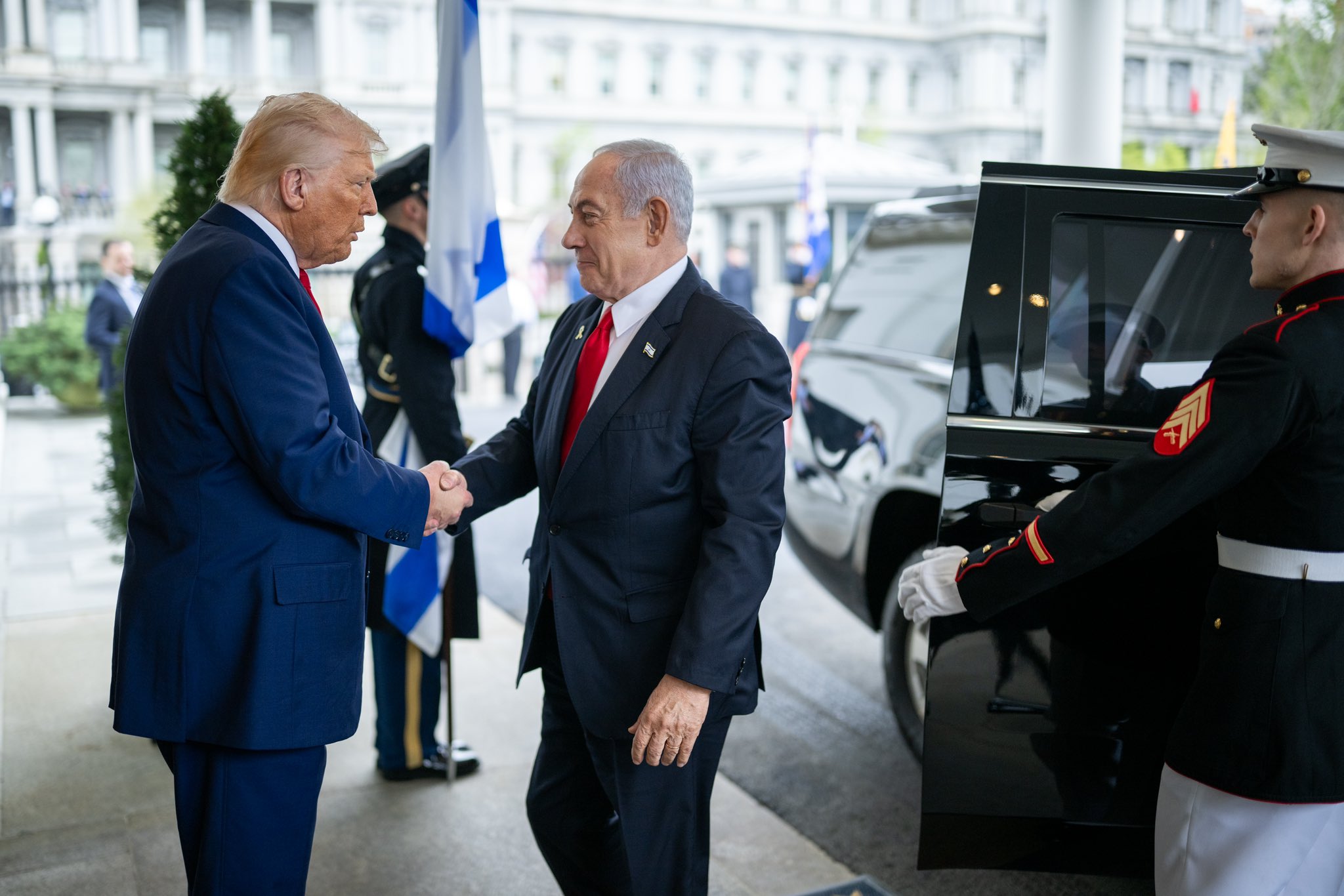
It is the last thing that Prime Minister Benjamin Netanyahu wanted or even expected more than a reported steamy expletive laced call from President Donald Trump last week. The Pentagon has apparently elevated the espionage risk level on Israel from high to critical or the highest stage in the business of spying. According to media reports in the United States, Israel being somewhat uneasy at the ongoing talks between Washington and Tehran decided to up the ante by eavesdropping on top negotiators like Steve Witkoff himself, the President’s personal envoy, and his deputies.
The assessment of the Defense Intelligence Agency (DIA) which was first reported by NBC News and later by The New York Times and published in media outlets is surfacing at a time when the diplomatic engagement between the United States and Iran is quite high; and Israel stepping up its attacks in Lebanon and now targeting Iran itself, much against the wishes of President Trump. A clearly angry American leader is said to have yelled at Prime Minister Netanyahu calling him “f***ing crazy” for his stepped-up attacks on Lebanon which is said to have killed at least 3500 civilians, Washington is looking for ways to end a war that has now crossed 100 days. The foray into Lebanon has held up the peace talks on ending the Middle East War as Iran refuses to sit at the table.
In an immediate context the warning from the Pentagon has been based on Israeli intelligence agencies intensifying their operations to collect information on American military personnel and government officials pertaining to policy discussions. Apparently American defense officials working in Israel have been found to have software installed in their phones so as to intercept communications. Or as The New York Times put it, “An intensified Israeli effort to learn about US positions in talks with Iran has crossed a line, according to some American officials.”
The current unease of Israel apparently goes much before the outbreak of the Iran war on February 28. According to the DIA which has been cited in the media, Israeli spying gathered momentum from late 2024 as the Biden administration turned the screws on the Jewish state for the ongoing genocide in the Gaza, continued after the second Trump administration took office in January 2025 and started moving on its new Iran policy.
In the current context, Israel has completely denied the allegations calling it “completely false” that it spies on American government officials or institutions. And for its part the White House has said that the “entire story is false and sourced to someone who doesn’t have any knowledge of what’s going on.”
Issues of spying and espionage in United States-Israel ties are nothing new even as there has been a tendency not to harp on it so as to rupture relations. But the classic scandal that has often cropped up is that of the Jonathan Pollard case—of a civilian analyst working for the United States Navy who was arrested in 1985 for passing top secret classified material to Israel. Pleading guilty to espionage Pollard served 30 years in prison before released on parole in 2015. But the Pollard case figured prominently in bilateral relations that every high-level visit from Tel Aviv supposedly had him and his release on the discussion agenda.
But some forty-plus years down the line, the scenario is much different and quite serious at that. At stake are questions of the motivations of the Netanyahu government, especially at a time when the Trump administration could be on the verge on not only ending the Middle East war but also re-shaping its relations with Tehran; and in the process re-drawing the strategic map of the region, all of which may not align with the interests of Israel. In fact, an argument could be made that Israel may be less worried about what Washington and Tehran are thinking of the Strait of Hormuz and the timing of the lifting of sanctions but more concerned about Iran’s nuclear program and any lasting diplomatic opening out to the clerics and Ayatollahs.
It all ultimately depends on how President Trump is going to read the latest scheme of things and revelations. On the one hand it concerns one of America’s staunchest allies in the Middle East with deep electoral implications in domestic American politics by virtue of the Jewish vote. On the other hand, spying on an ally with whom there are strong political and military bonds is not like snooping around for technology and pharmaceutical secrets. The latest revelations are no doubt based on unnamed sources and officials; but come at a time when relations are testy and on the eve of midterm elections that could affect then fortunes of both parties depending on how it plays out.
President Trump has said in so many words that he really did not care for the outcome of the November mid-terms. The fact of the matter is that it would finish his agenda prior to the elections of 2028; and so, would so many lawmakers in the House of Representatives and Senate who have pegged their political futures.
Disclaimer: The opinions and views expressed in this article/column are those of the author(s) and do not necessarily reflect the views or positions of South Asian Herald.
Related posts:
 The Pardon Gambit: Netanyahu’s Precarious Endgame
 U.S. Launches Military Action in Iran as Indian American Lawmakers Question Legality of Strike
 Indian-American lawmakers boycott Israel PM Netanyahu’s speech to US Congress; protesters gather in Washington DC
 Prime Minister Modi and President Biden call for de-escalation in the Middle-East
