Join WhatsApp Channel

The Coalition of Hindus of North America (CoHNA) has welcomed the failure of New York Senate Bill S.6531 and Assembly Bill A.6920 to advance during the state’s legislative session, arguing that the measures would have “institutionalized bias” by adding the term “caste” as a protected category under New York’s Human Rights Law.
In a statement, CoHNA said the proposed legislation would have introduced what it described as a “religiously-coded ethnic classification” that could disproportionately affect New Yorkers of Hindu, Indian, and South Asian heritage. The organization emphasized that it opposes discrimination in all forms and maintains that existing laws already prohibit caste-based mistreatment without creating what it views as demographic-based inequalities.
“This is a win for advocacy and civil rights in the face of immense pressure from elite academics and activists with access to powerful media and political players,” said Sudha Jagannathan, CoHNA’s director of government relations. “As a Bahujan Hindu myself, I have held many meetings with lawmakers in New York for the past two years to share my story and to educate. I find it offensive that New York State would try to weaponize my identity against my own culture and traditions that provide me solace and strength.”
According to CoHNA, the organization launched a grassroots campaign after the bills were introduced in 2025, aimed at educating lawmakers and the public about what it considers the potential harms of caste-specific language in state law.
“We have held dozens of meetings with NY State legislators including the bills’ sponsors and enabled hundreds of community members to send emails to their assembly members and state senators,” the statement said. “Our memorandum outlining Legal and Constitutional Concerns was shared with all 213 members of New York State Assembly and Senate. Most importantly, our Dalit Bahujan leadership team spoke up forcefully — pushing back against attempts to paint Hindu temples as places of discrimination and exclusion from many of the same activists pushing for passage of ‘caste’ protections.”
CoHNA President Nikunj Trivedi said the organization views the legislation as part of a broader effort that could unfairly stigmatize Hindu and Indian communities.
“This was yet another attempt to misuse a noble desire for social justice and subvert it to drive hate against a minority, like we saw in California in 2023,” said Trivedi. “It is important to remember that caste is not a neutral word and due to decades of misinformation it is primarily associated with the Hindu and Indian communities in public perception. It is also used by ideological rivals on the far-Right and ultra-Left alike to otherize and harm our community, by painting us as more likely to discriminate, oppress, or be hierarchical than other communities.”
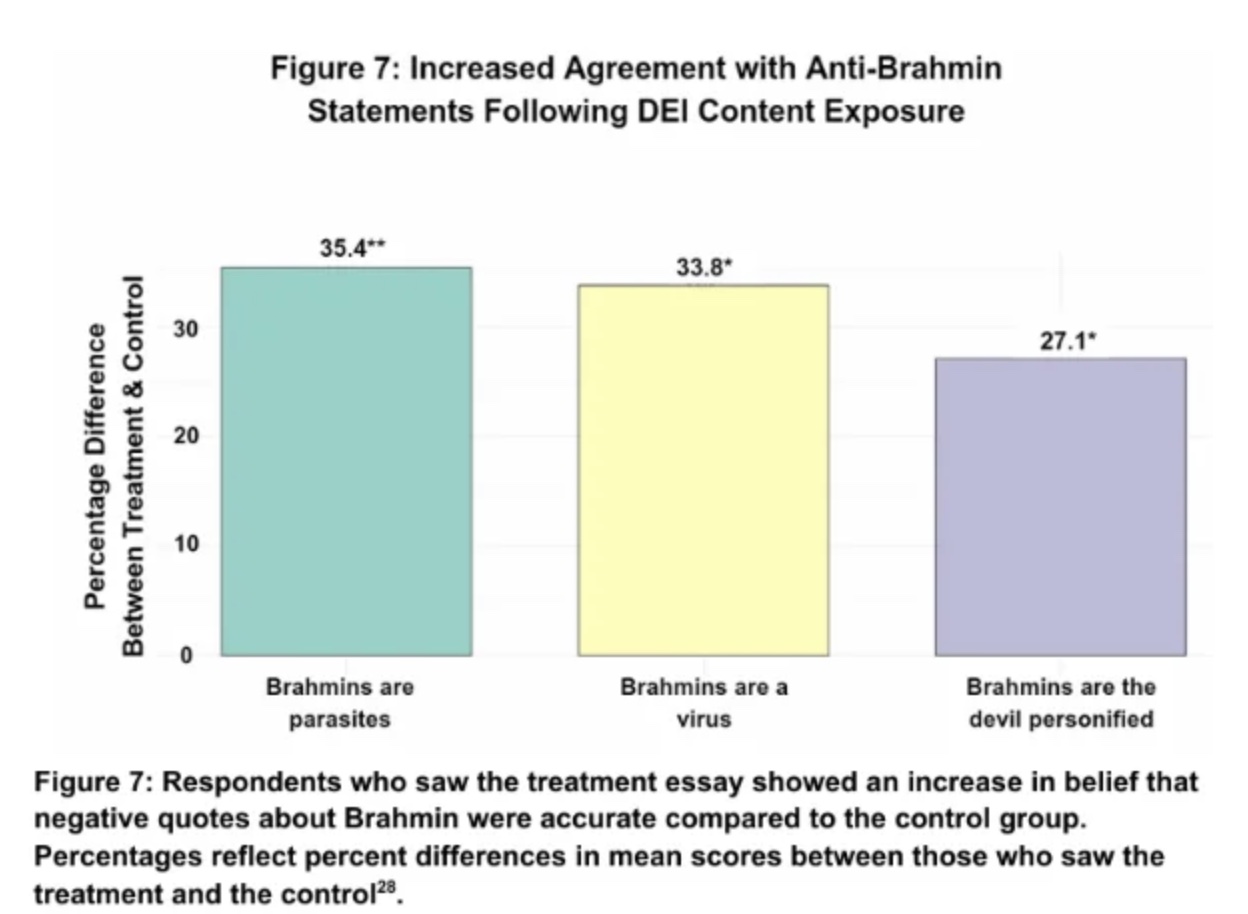
The organization also cited a 2024 study conducted by the Rutgers University Social Perception Lab and the Network Contagion Research Institute (NCRI), which it said found that discussions and training related to caste could contribute to negative perceptions of Hindus and Indian Americans.
“New York residents deserve to be treated with equality and to not worry about the state forcing identities on them—as we saw in the 2021 lawsuit filed against Sundar Iyer where California misused its institutional power to assign both a religion and a caste to an atheist, simply due to his background,” the statement added.
CoHNA further pointed to the caste discrimination lawsuit filed against Cisco, noting that the case was ultimately withdrawn “with prejudice.” The organization argued that the outcome raised questions about the merits of the allegations and the actions taken by California authorities in pursuing the case.
The statement also asserted that, despite years of investigations and allegations, there is no evidence of systemic caste discrimination in the United States. CoHNA contended that some academics and activists continue to advocate for caste-specific policies using public resources, a practice the organization says risks unfairly targeting Hindu Americans and exposing them to potential violations of their civil rights.
Related posts:
 CoHNA Hosts 4th Annual Hindu Day of Advocacy at U.S. Capitol, Highlights Rising Hindu American Voice
 CoHNA Applauds Wainwright, Alberta, for Condemning Anti-Hindu Bigotry
 Mississauga Becomes Second Canadian City to Condemn Anti-Hindu Hate, CoHNA Welcomes Historic Resolution
 Minnesota Resolution Condemning Hinduphobia Gains Support as CoHNA Highlights Community Concerns