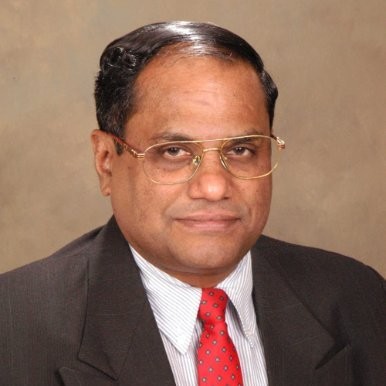

In this exclusive conversation with South Asian Herald, Thomas Abraham, Ph.D., reflects on a life that has mirrored the remarkable rise of the Indian American community.
Arriving in New York in 1973 with an engineering degree from India, one suitcase, and just $75 in his pocket, Abraham would go on to become a pioneer in advanced materials and nanotechnology while helping establish some of the most influential organizations representing the Indian diaspora, including the Federation of Indian Associations (FIA), the National Federation of Indian American Associations (NFIA), and the Global Organization of People of Indian Origin (GOPIO).
America@250: Looking Back
For Abraham, America’s 250th anniversary is both a national celebration and a deeply personal milestone.
Advertisement
Reflecting on more than half a century in the United States, he sees his own journey as part of a much larger immigrant story – one in which America opened its doors to talent and immigrants responded with innovation, hard work, and institution building.
“When I arrived from India in 1973, I came seeking knowledge rather than wealth. America gave me the opportunity to become a scientist, entrepreneur, institution builder, and community leader.”
He believes the success of Indian Americans is rooted in a unique partnership between opportunity and preparation. Thousands of highly educated immigrants arrived in the decades following the Immigration and Nationality Act of 1965 and helped strengthen American leadership in science, medicine, engineering, academia, and business.
Arriving in America
Abraham’s journey began at Columbia University, where he pursued graduate studies after earning his engineering degree at Malaviya Regional Engineering College (now Malaviya National Institute of Technology) in Jaipur, Rajasthan and briefly teaching as a lecturer at the same institution.
His memories of arriving in New York remain vivid. “I carried one suitcase, an engineering degree, $75 in my pocket, and a dream.” He was awarded a fellowship to pursue his Master’s and Ph.D. at the Henry Krumb School of Mines of Columbia University in New York City. Those early years coincided with one of the most dynamic periods in American scientific research. Universities were expanding rapidly, and engineering departments depended heavily on international graduate students.
“It was an exciting time,” he recalled, noting that Indian students became active contributors to advances in engineering, computing, research, and higher education that would shape America’s technological leadership for decades.
Science, Innovation and Entrepreneurship
Professionally, Abraham established himself as an expert in advanced materials, emerging technologies, and technology commercialization. His work ranged from preparing technology assessments on advanced ceramics for the U.S. Congress to speaking at the National Defense University on strategic materials for defense applications.
Long before nanotechnology became a household term, he recognized its commercial potential. Beginning in 1998, he organized some of the world’s earliest international conferences devoted to nanotechnology commercialization, bringing together scientists, entrepreneurs, venture capitalists, government officials, and industry leaders.
Later, he founded Innovative Research and Products (iRAP), a technology consulting and publishing company that worked with Fortune 500 corporations, universities, national laboratories, and government agencies. “Building iRAPfulfilled a lifelong dream of combining scientific knowledge with entrepreneurship.”
Building Institutions
While his scientific accomplishments are impressive, Abraham believes his greatest legacy lies in institution building. Soon after arriving in America, he became involved with the India Club at Columbia University, organizing cultural and educational programs for Indian students and professionals.
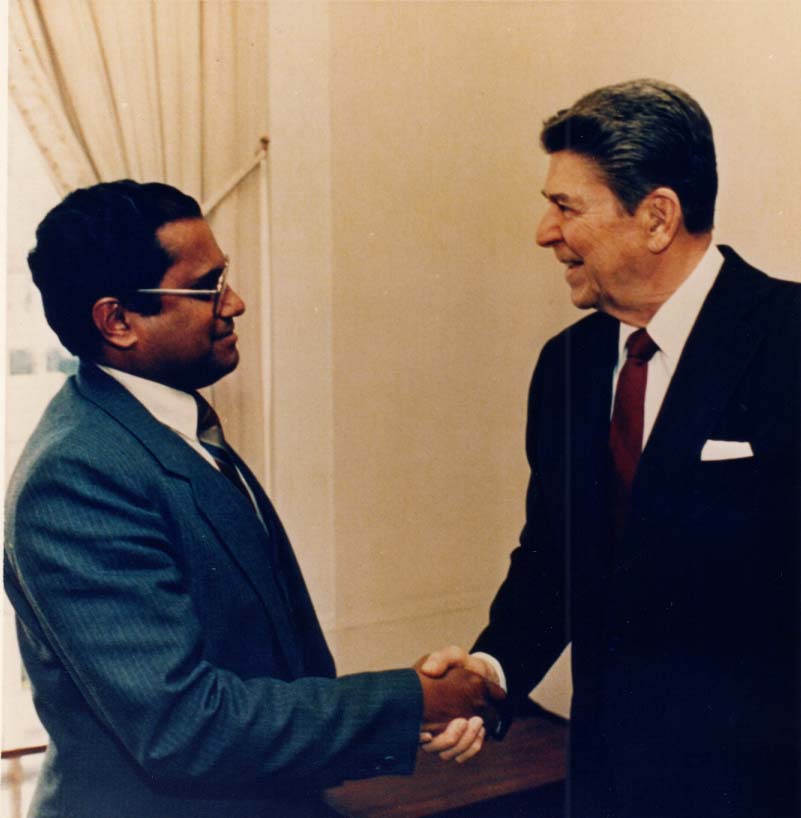
Those early experiences shaped a philosophy that would define the rest of his career. “Success should be measured not only by personal accomplishments but also by contributions to society.” That conviction inspired him to devote as much energy to building nonprofit organizations as he did to advancing technology.
The Birth of FIA
By the late 1970s, the Indian American community was growing rapidly, yet it lacked a unified voice capable of addressing immigration concerns, discrimination, employment issues, and community welfare.
Recognizing that need, Abraham joined community leaders in transforming the Joint Committee of Indian Organizations into the Federation of Indian Associations (FIA), serving as its founding president.
Under his leadership, FIA evolved far beyond organizing cultural celebrations. It established volunteer-run employment counseling, family counseling, and emergency assistance programs while advocating for the growing immigrant community.
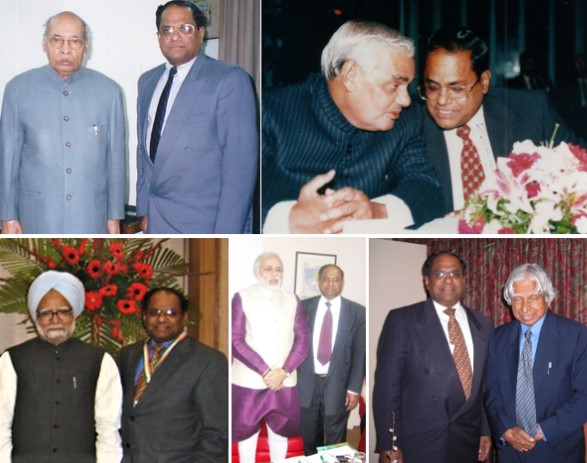
The organization also hosted historic public receptions for Indian leaders, including Prime Minister Morarji Desai and External Affairs Minister Atal Bihari Vajpayee, the First Convention of Asian Indians in North America, and helped launch New York City’s India Day Parade, today the largest such celebration outside India.
The FIA experience in New York Metro Area was then shared to other larger cities which resulted in the formation FIA in Chicago, Los Angeles, San Francisco Bay Area, Cleveland, Columbus and Philadelphia.
Creating a National and Global Voice
As the Indian American population continued to expand, Abraham believed a national organization was essential. That vision resulted in the formation of the National Federation of Indian American Associations (NFIA), which united organizations across the United States and Canada while advocating on immigration, civic participation, and U.S.-India relations.
One of its most significant achievements was mobilizing support for family-based immigration. “Preserving family reunification enabled hundreds of thousands of Indian families to establish new lives in America.”
A decade later, Abraham extended that vision beyond the United States. The First Global Convention of People of Indian Origin, held in New York in 1989 and attended by delegates from twenty-six countries, led to the creation of GOPIO, the first worldwide organization representing the global Indian diaspora.
One of GOPIO’s earliest achievements was bringing international attention to the concerns of people of Indian origin around the world. GOPIO advocated for the civil and human rights of diaspora communities facing discrimination and political instability in countries such as Fiji, Sri Lanka, Trinidad and Tobago, Guyana, and South Africa. GOPIO also worked closely with the Government of India on long-standing diaspora issues, including the introduction of the Person of Indian Origin (PIO) Card, Overseas Citizenship, and stronger engagement between India and its global diaspora.
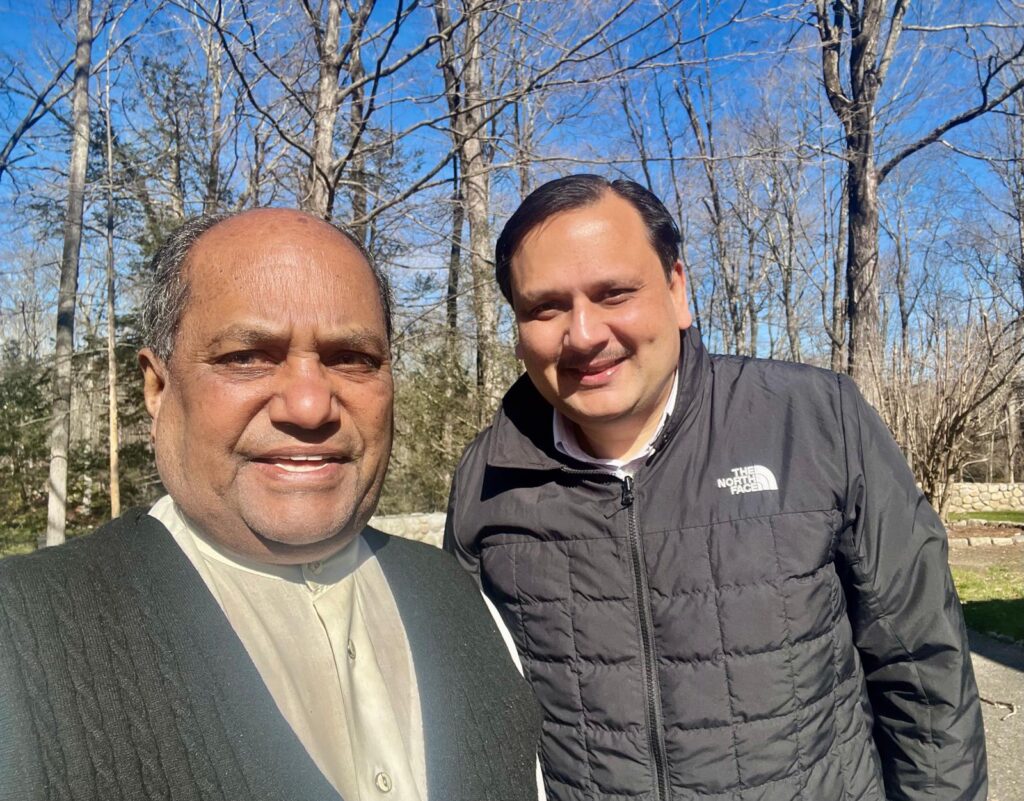
Today, GOPIO continues to promote leadership, entrepreneurship, education, youth engagement, humanitarian service, and stronger connections between India and overseas Indian communities.
Cofounding other Institutions
In the 1990s and 200s, Abraham continued his initiative through the establishment and building up several nonprofit organizations, including the Indian American Kerala Cultural and Civic Center, the South Asian Council for Social Services (SACSS), the National Indian American Association for Senior Citizens (NIAASC), and the Jagdish Bhagwati Chair for Indian Political Economy at Columbia University.
The Meaning of the American Dream
Reflecting on the remarkable rise of Indian Americans, Abraham believes the community’s greatest achievement extends beyond professional success. Its lasting contribution, he says, has been creating institutions that strengthen communities, preserve cultural heritage, mentor young leaders, and encourage civic engagement.
Looking back, he defines the American Dream in broader terms than individual accomplishment. “The American Dream is often described as the opportunity to achieve personal success through talent and hard work. My experience has taught me that its highest expression lies not simply in what we achieve for ourselves, but in what we build for others.”
As America begins its next chapter, Abraham hopes future generations will continue that tradition of service. “The greatest legacy,” he concluded, “is creating opportunities that continue to benefit future generations.”