Join WhatsApp Channel

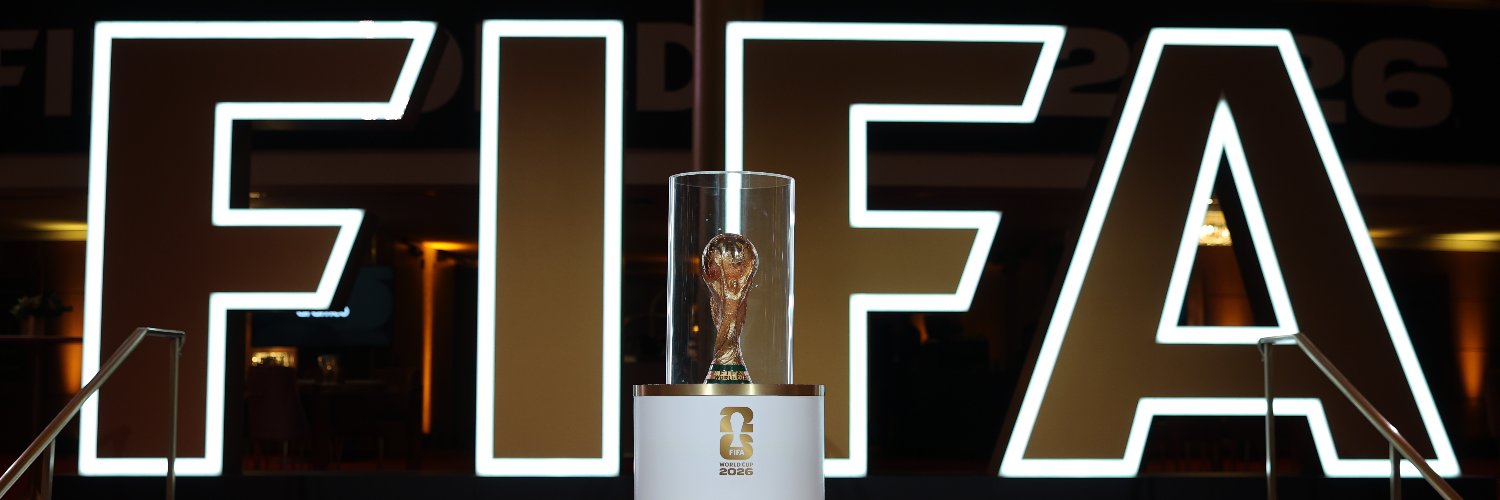
As the FIFA World Cup heads to North America in 2026, the tournament arrives against a dramatically different geopolitical backdrop than the one that surrounded Russia’s hosting of the event in 2018.
When Russia hosted the FIFA World Cup, it used the tournament as an opportunity to reshape global perceptions of the country. At the time, the event was widely regarded as a success, with fans, players, and football officials praising its organization. Yet only a few years later, Russia found itself increasingly isolated internationally amid geopolitical tensions and military conflicts. Earlier, the country had also faced widespread criticism over doping scandals linked to the 2014 Sochi Winter Olympics.
Now, the world’s biggest football tournament is set to be staged across the United States, Mexico, and Canada in a historic 104-match competition. When FIFA awarded hosting rights to the three nations, they were closely aligned through the North American Free Trade Agreement (NAFTA), which facilitated extensive economic cooperation and trade among them.
Since then, however, political and economic relations have evolved significantly. Trade disputes, immigration debates, and shifting diplomatic priorities have altered the dynamics among the three neighboring countries. Much of this change has been shaped by tariff policies introduced during President Donald Trump’s second term in office.
Today, issues such as illegal immigration and drug trafficking have increasingly dominated political discourse between the United States and its neighbors. Whether these changing relationships will influence the atmosphere or legacy of the FIFA World Cup 2026 remains to be seen.
Russia’s World Cup Moment
Russia invested more than $11 billion to stage the 2018 FIFA World Cup, hoping to present itself as a modern, dynamic, and globally engaged nation. By many accounts, the strategy succeeded.
“The whole world fell in love with Russia,” FIFA President Gianni Infantino famously declared after the tournament, describing it as one of the best World Cups ever organized.
While France lifted the trophy, many observers felt Russia emerged as a winner in terms of public relations. The tournament combined sport, entertainment, and politics, helping showcase a side of Russia that contrasted with many prevailing international narratives.
The event drew praise from participating nations and fans alike. Yet, like the 2008 Beijing Olympics and the 2016 Rio Olympics, the tournament was not immune from criticism. Concerns over corruption, organizational challenges, and sporting integrity surfaced before and during the competition. However, much of the criticism subsided as the tournament progressed and operational successes became more visible.
Russia’s selection as host was itself controversial. FIFA faced allegations of corruption surrounding the bidding process, while former FIFA President Sepp Blatter, later suspended by the organization, attended the tournament as a guest of Russian President Vladimir Putin.
When Russia secured hosting rights in 2011, Putin promised the event would transform global perceptions of the country. Extensive security measures were implemented to prevent hooliganism, terrorism, and political disruptions.
The tournament took place during a period of strained relations between Russia and much of the West. Russia’s actions in Ukraine and Syria had already heightened tensions with Europe and the United States.
Unlike the 1980 Moscow Olympics, which faced significant boycotts following the Soviet invasion of Afghanistan, the 2018 FIFA World Cup proceeded without major political boycotts. The tournament also offered Russia an opportunity to re-engage with the global sporting community at a time when the country faced sanctions and restrictions from international sports bodies. During the 2018 Winter Olympics in PyeongChang, Russian athletes competed under the banner of Olympic Athletes from Russia rather than representing the country directly.
On the Field
Held from June 14 to July 15, 2018, the tournament featured 64 matches across 11 Russian cities. Iceland made an impressive World Cup debut, while defending champion Germany suffered a shock group-stage exit.
For Asia, Japan advanced to the Round of 16, while Iran, Saudi Arabia, and South Korea were eliminated in the group stage.
Although India did not qualify for the tournament, the country had a modest presence. Rishi Tej, 10, and John K. Nathania, 11, were selected as official match ball carriers for games held on June 18 and June 23. More than 100 Indian football fans, including actor Amitabh Bachchan, attended the tournament, along with several volunteers from India.
Russia spent more than $11.6 billion on infrastructure related to the World Cup. The investment followed substantial spending on the 2014 Sochi Winter Olympics, which later became embroiled in doping controversies that damaged the country’s sporting reputation.
FIFA itself allocated approximately $1.94 billion for the tournament.
By comparison, the Hockey World Cup held later that year in Bhubaneswar was estimated to cost about $19 million and featured 16 teams competing in 36 matches over 19 days.
The World Cup attracted nearly half a million international visitors, including thousands of fans from Peru, who became a visible and enthusiastic presence throughout the tournament.
The knockout stages produced a series of dramatic results. Traditional powers including Argentina, Spain, Portugal, Brazil, and Uruguay were eliminated through late goals, penalties, own goals, and penalty shootouts. The tournament saw a record number of penalties awarded, while own goals also played a significant role, including in the final.
By the semifinal stage, all representatives from Asia, Africa, and the Americas had been eliminated, leaving Europe to dominate the final rounds.
Croatia reached its first-ever World Cup final but fell to France, which secured its second World Cup title, 20 years after its first triumph in 1998. France became only the sixth nation to win the tournament at least twice.
Among the standout performers were Harry Kane of England, Luka Modrić of Croatia, Kylian Mbappé of France, and Thibaut Courtois of Belgium. The tournament also marked a difficult chapter for Lionel Messi’s World Cup ambitions, while Cristiano Ronaldo and Neymar continued to command global attention.
A Lasting Image
One of the tournament’s most memorable moments came away from the field. Croatian President Kolinda Grabar-Kitarović drew widespread admiration when she traveled to Russia at her own expense, wore her national team’s jersey in the stands, and personally greeted and comforted Croatia’s players after their defeat in the final.
As North America prepares to host the FIFA World Cup in 2026, the experience of Russia 2018 serves as a reminder that major sporting events often transcend sport itself. They become stages where nations seek to project influence, reshape perceptions, and tell their stories to a global audience.
Related posts:
 Sunil Gulati: The Indian American Architect Behind Soccer’s Rise in the United States
 National Cricket League Targets Wider Audiences With GT20 Canada After FIFA World Cup 2026
 Roots & Rights: World Cup Dreams, Visa Realities
 Italy Eliminated from FIFA World Cup 2026 After Playoff Loss to Bosnia and Herzegovina