 Join WhatsApp Channel

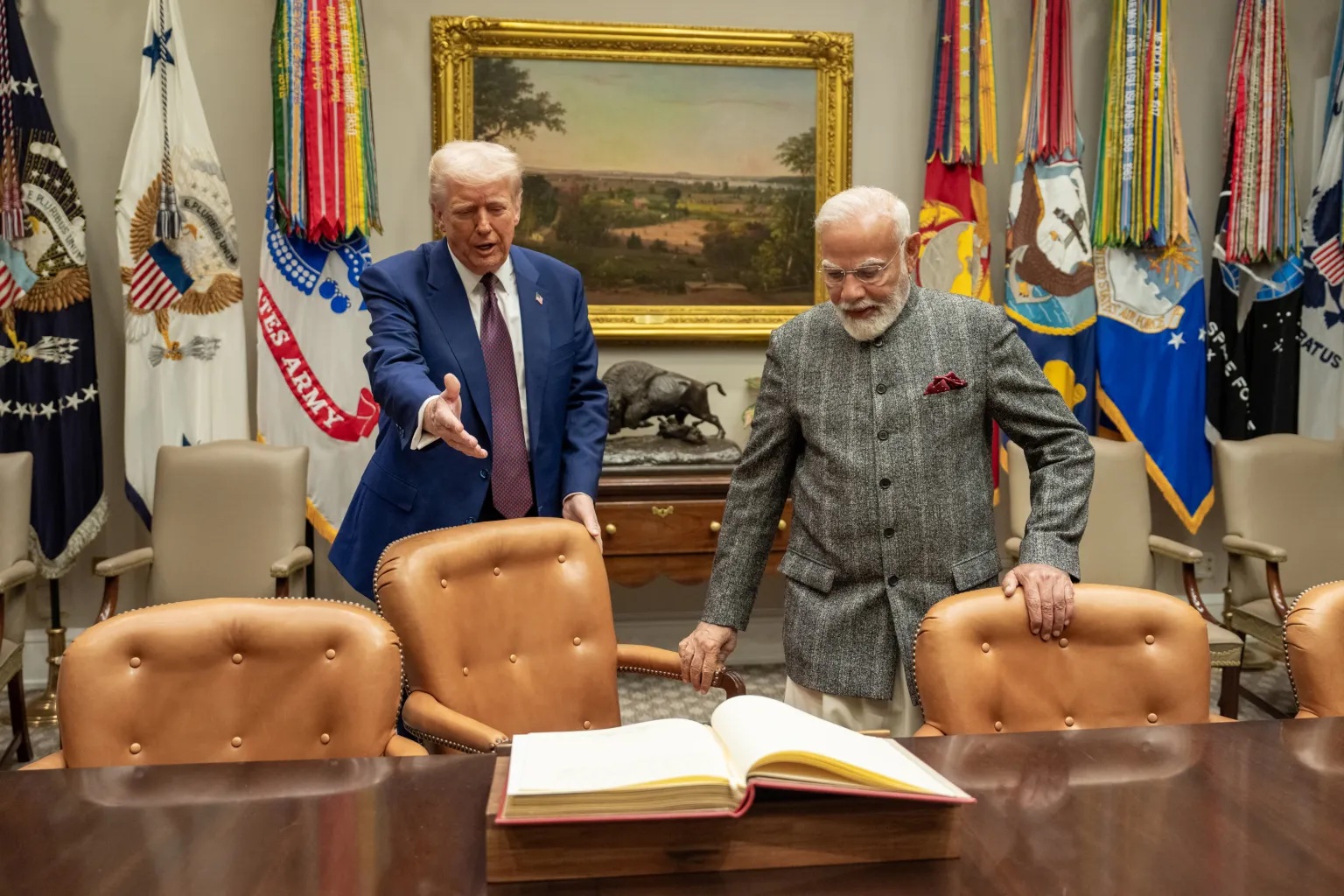
A high-level United States trade delegation will arrive in New Delhi next week for four days of negotiations aimed at finalizing an interim trade agreement and advancing the proposed India-U.S. Bilateral Trade Agreement (BTA), even as fresh questions emerge over the economic viability of the deal following recent developments in the United States.
The American delegation, led by the U.S. Chief Negotiator, is scheduled to hold talks from June 1 to 4 with Indian officials on market access, customs facilitation, investment promotion, supply chain resilience and economic security cooperation.
The negotiations come amid renewed attention after U.S. Secretary of State Marco Rubio claimed during his India visit that New Delhi had committed to purchasing nearly $500 billion worth of American goods over the next five years, particularly in energy, technology and agriculture sectors.
In a post on X on Saturday, Rubio credited U.S. diplomats for advancing the understanding, describing it as a major outcome of ongoing economic engagement between the two countries.
However, the proposed purchase commitment has triggered debate among trade experts and policy analysts in India, with the Global Trade Research Initiative (GTRI) arguing that the underlying economic rationale for the broader India-U.S. trade framework has substantially weakened following a landmark ruling by the U.S. Supreme Court earlier this year.
According to GTRI, India’s proposed large-scale purchases from the United States were originally linked to negotiations under the February 6, 2026 India-U.S. Joint Statement, which envisaged reciprocal tariff concessions from Washington in exchange for broader market access commitments by New Delhi.
Under the earlier framework, the United States had reportedly agreed to reduce proposed reciprocal tariffs on Indian exports from 25 percent to around 18 percent as part of the evolving BTA structure.
But on February 20, 2026, the U.S. Supreme Court struck down the legal basis for the Trump administration’s reciprocal tariff regime, effectively dismantling the tariff architecture underpinning several ongoing trade negotiations.
Following the ruling, the Trump administration invoked Section 122 of the U.S. Trade Act of 1974 to impose a uniform 10 percent tariff on imports from all trading partners, removing the preferential advantage countries expected to receive through bilateral negotiations.
GTRI Founder Ajay Srivastava argued that once all countries were subjected to the same tariff structure, the commercial rationale behind offering sweeping concessions to Washington became difficult to justify.
“The economic foundation of the India-U.S. BTA has effectively collapsed,” GTRI said in a report released on May 24, adding that India should reconsider the negotiations and clarify its position on Rubio’s remarks regarding the $500 billion import commitment.
The think tank also warned that large-scale imports of U.S. energy, defense equipment, aircraft and agricultural products could widen India’s trade deficit and increase pressure on the rupee, which has already weakened sharply against the dollar over the past year amid rising oil prices and external sector pressures.
Trade analysts noted that despite the concerns, both New Delhi and Washington continue to view the negotiations through a broader strategic lens that extends beyond tariffs and merchandise trade.
Officials involved in the talks said the June negotiations would continue to focus on securing “early harvest” outcomes through an interim agreement while discussions proceed on the larger BTA framework covering digital trade, supply chains, investment flows and emerging technologies.
India and the United States have steadily expanded bilateral trade and strategic cooperation in recent years, with policymakers on both sides positioning the partnership as central to the restructuring of global supply chains and Indo-Pacific economic strategy.
Related posts:
 US, India Agree on Framework for Interim Trade Agreement, Set Path Toward Broader Bilateral Deal
 India–US Interim Trade Pact Brings Tariff Relief but Locks India into Deeper Market and Strategic Concessions
 New India Report Counters U.S. Deficit Claims Ahead of Key Talks
 India Reassesses Trade Strategy as U.S. Tariff Ruling Alters Negotiation Dynamics
