Join WhatsApp Channel


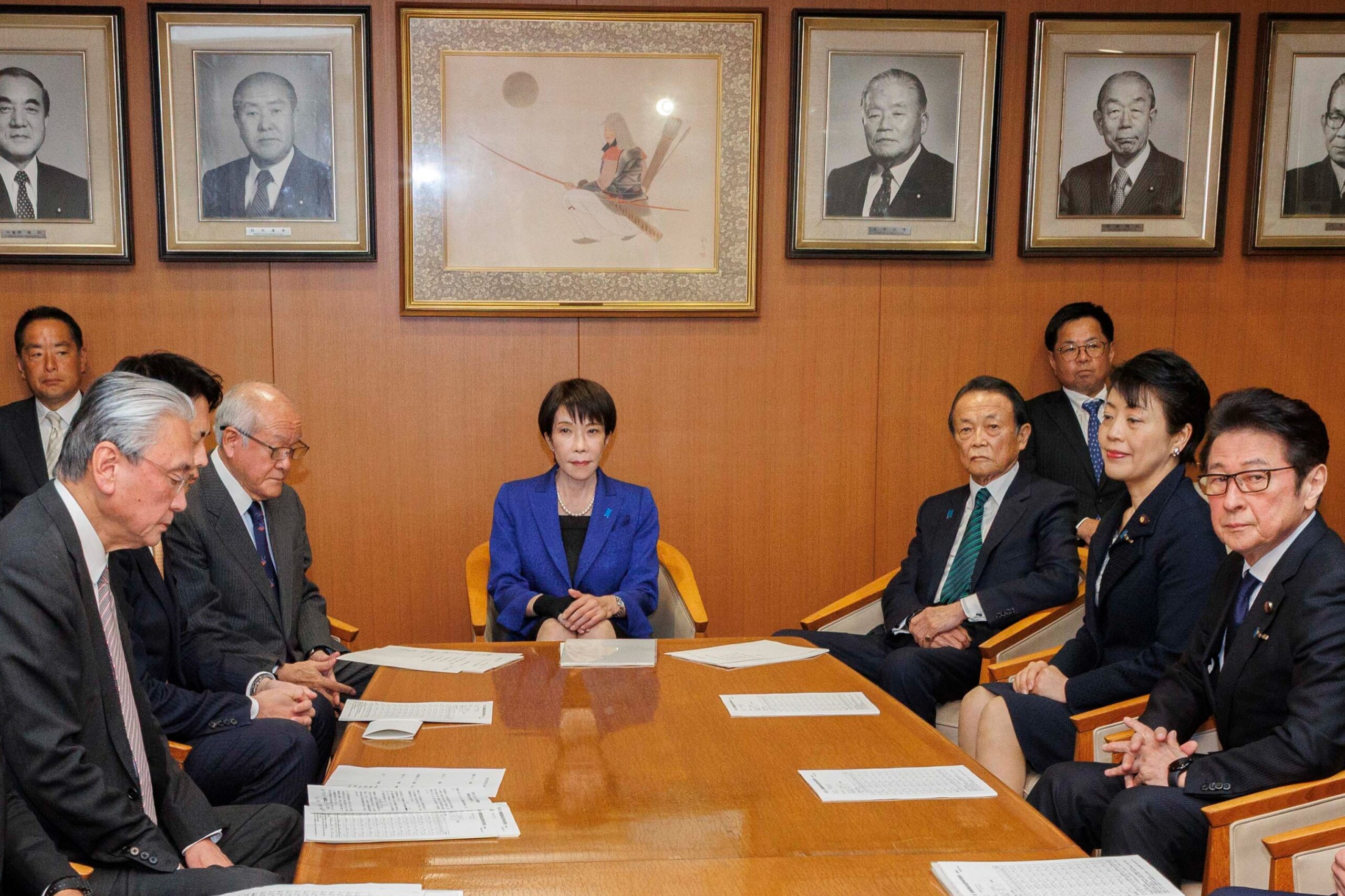
It is sometimes difficult to believe what is in front. And that is what could have been the feeling of Japan’s Sanae Takaichi seeing the Liberal Democratic Party and her major alliance partner, the Japan Innovation Party, literally sweep the snap polls to the country’s Lower House.
The LDP not only came out of wilderness and near extinction to register itself as the largest single party in the neighborhood of 320 seats but with around a commanding 365 seats in the coalition in the 465 member House. All this means that Prime Minister Takaichi will now have the luxury of over-riding any veto of her legislation in the Upper House of the Diet.
LDP legislators know that it was not the magic of the party or its manifesto that delivered the stunning landslide not seen since the time of former Prime Minister Yasuhiro Nakasone in the 1980s. Nearly everyone is convinced that it was the personal popularity of Prime Minister Takaichi that held the fort. “I don’t like the LDP but I like Takaichi” seemed to be the quote of the day. And this went beyond a fondness for her handbag, videos or affinity for hard rock music. What set Prime Minister Takaichi apart was her background and, in an ability, to speak the language the common folks understand.
Prime Minister Takaichi is not a political novice and as a protégé of the late Prime Minister Shinzo Abe she understands that the wave—or that Sania Mania– that swept her to power could soon start weaken if the LDP does not deliver or is seen waffling against the backdrop of tough challenges. At the same time the Japanese leader and her party would have to be cautious in getting too ahead of themselves or become carried away in rhetoric that proves counter-productive to Japan and the neighborhood. In all the political space that may have come about, the Japanese leader has no easy way outs given the internal and external environments.
Like many democratic societies, Japan’s electoral battle was largely on domestic issues. Prime Minister Takaichi has undoubtedly to deliver on the economic front, her first policies to be aimed at pulling the country out of a sluggish growth where the common person was increasingly concerned about rising prices and stagnant wages; in a call to slash taxes and a growing debate on subsidies. The problem is that cutting taxes and increased spending will have to be against the backdrop of a very high public debt; and the Bank of Japan looking to raise interest rates to contain inflation versus the political imperative of low rates to back economic growth. And externally the government will have to keep in mind tariffs from Washington and increased competition for markets, not just from China.
In the recent past, Prime Ministers in Japan have come to face yet another serious problem: an aging population, a truncated workforce impacting productivity. Bringing in labor from outside has not been easy as there is resistance from within on then subject of immigration. If there is resistance to increased tourists, then the opposition to immigration to organized sectors can be imagined. Politically the rhetoric on keeping the number of foreigners down has heightened, raising the ugly debate overseas of racism, something that successive governments in Tokyo have been quite sensitive to given the noise on treatment of Koreans in Japan. Prime Minister Takaichi knows well that the answer to an aging society and productivity does not lie in mechanically extending retirement age of the current work force every time.
The stunning victory of Prime Minister Takaichi brings its share of challenges on the foreign policy front, starting with that of dealing with the United States. Here it is not just of being on the look for early morning tweets on tariffs but generally in managing an alliance when the bigger partner’s commitment to a security treaty and its role in the Indo Pacific is constantly under question. Washington has a point when it says that allies in Europe and Asia need to cough up more for defense; but to club all of them in the category of “free loaders” or implicitly threatening to throw them all under the bus to adversaries like Russia or China is somehow to miss the point.
Yes, Japan’s security since the end of the second world war was under- written by the United States; but a lot of this had to do with the imposed constitution on Japan that had specific limitations on nature and scope of the military —still labelled Self Defense Force—with spending pegged to one percent of GDP for a very long time and only recently breached to two percent. There are strong political winds pushing for a re-write of the Constitution on different aspects of military including spending and operationalization details that would give the green light to offensive roles. Of late, hawkish elements have started talking about the nuclear posturing.
Prime Minister Takaichi may be a part of this right wing crowd, but she also knows that she would have to tread carefully in a area that is dear to the Japanese given the country’s experience in World War Two, including if Japan should re-think on its established non-principles given the menacing threats from China and North Korea.
A hardline tight fisted Sanae Takaichi might have been the last thing that President Xi Jinping may have wanted as a neighbor; and wary of Tokyo re-writing its rules of the game over Taiwan. Prime Minister Takaichi understands the economic importance of China in the exports-imports axis; and President Xi also knows that this economic equation is a two-way street.
Disclaimer: The opinions and views expressed in this article/column are those of the author(s) and do not necessarily reflect the views or positions of South Asian Herald.