Despite weeks of optimistic signals from Washington and New Delhi, negotiations for a proposed India-U.S. Bilateral Trade Agreement (BTA) appear to have entered a more cautious phase, with India increasingly reassessing the economic rationale behind the deal amid changing U.S. trade policies.
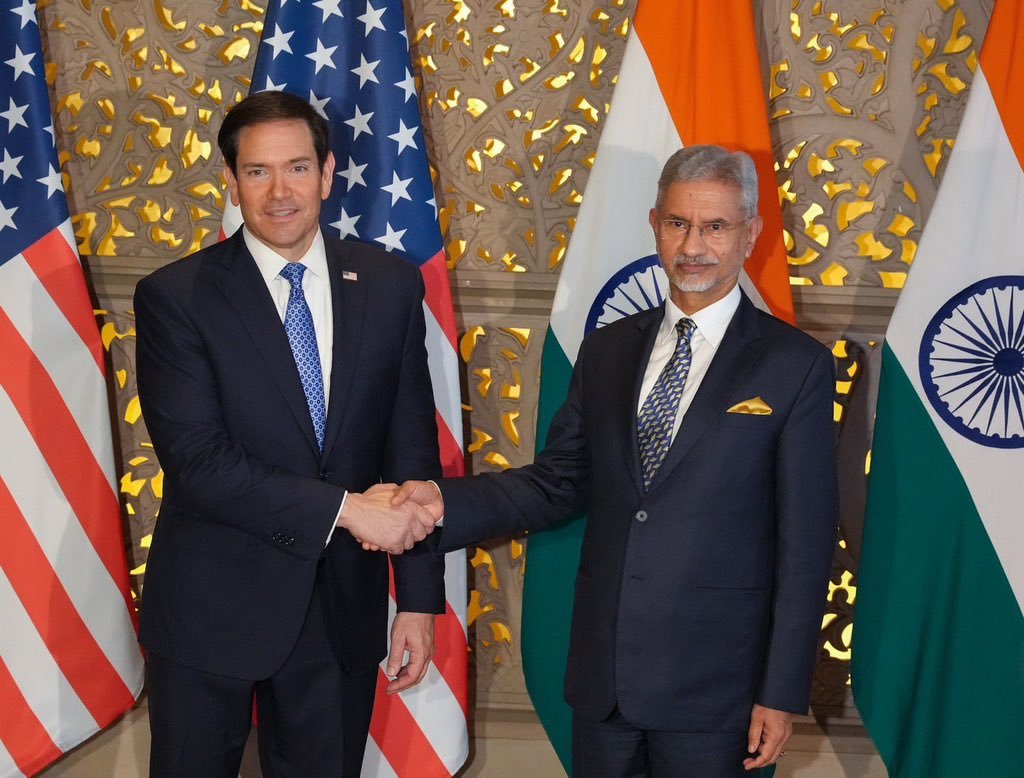
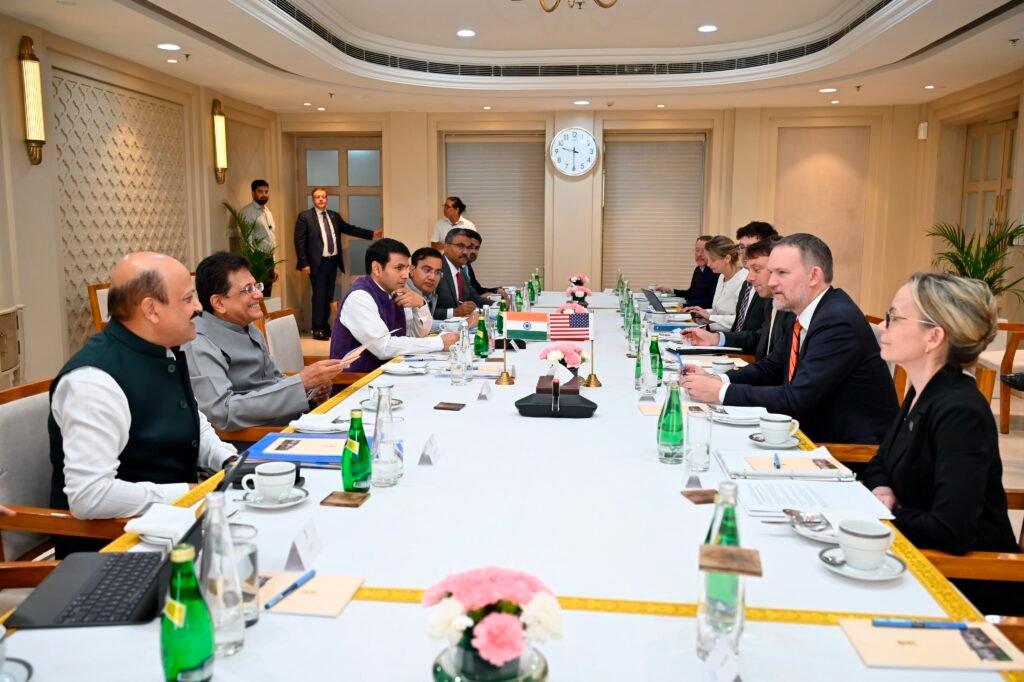
The three-day visit of U.S. Trade Representative Jamieson Greer to New Delhi concluded Wednesday without a breakthrough, even as both governments described discussions as constructive and reported progress toward an interim trade agreement. The outcome contrasted with earlier expectations after U.S. Ambassador Sergio Gor said in May that the deal was “99 percent ready.”
Trade analysts say the slowdown reflects growing concerns in New Delhi over the structure of the proposed agreement and the durability of concessions offered by Washington.
At the heart of the uncertainty is a dramatic shift in the original framework announced by the two countries in February. Under that arrangement, the United States had proposed reducing reciprocal tariffs on Indian exports from 25 percent to 18 percent in exchange for broader Indian commitments on agriculture, energy, defense procurement, civil aviation, digital trade and advanced technologies.
Advertisement
However, the equation changed after the U.S. Supreme Court struck down the legal basis for the reciprocal tariff regime in February, effectively removing the principal concession that Washington had placed on the negotiating table.
“The foundation of the original bargain no longer exists,” said Ajay Srivastava, founder of the Global Trade Research Initiative (GTRI). “India is being asked to undertake permanent market-access commitments while the U.S. concession that justified those commitments can no longer be legally guaranteed.”
The Commerce Ministry and the U.S. Trade Representative’s Office have continued to emphasize their commitment to a “balanced and commercially meaningful” agreement. Officials from both sides reviewed issues ranging from market access and digital trade to supply-chain resilience and non-tariff barriers during Greer’s visit.
Yet trade experts note that New Delhi’s calculations are evolving as Washington increasingly relies on alternative trade enforcement mechanisms, including Section 301 investigations, which could potentially result in new tariffs on imports from India and dozens of other countries.
For Indian negotiators, the concern is not simply market access but predictability. A completed BTA would not necessarily shield Indian exports from future U.S. trade actions, raising questions about the long-term value of concessions being sought from New Delhi.
The debate comes as bilateral trade relations are simultaneously growing stronger. India and the United States have set an ambitious target of expanding annual trade to $500 billion by 2030, and both governments view supply-chain cooperation, technology partnerships and investment flows as critical pillars of the relationship.
However, analysts say India is increasingly weighing whether a hurried agreement serves its broader economic interests.
“New Delhi appears less willing to rush into a deal merely to secure temporary tariff relief,” Srivastava said. “The focus is shifting toward ensuring that any agreement delivers durable and reciprocal benefits.”
The reassessment also reflects broader geopolitical changes. As Washington recalibrates its China strategy and global trade priorities, some observers argue that India is being viewed more as a major market for American exports than as a strategic economic partner, a perception that could influence future negotiations.
For now, neither side has indicated that talks are in danger of collapsing. Officials remain publicly optimistic, and negotiations on an interim agreement are expected to continue ahead of a key July 24 deadline tied to temporary U.S. tariff measures.
Whether that deadline produces a breakthrough or a further pause may determine not only the future of the proposed BTA but also the next phase of one of the world’s most consequential economic partnerships.