Join WhatsApp Channel

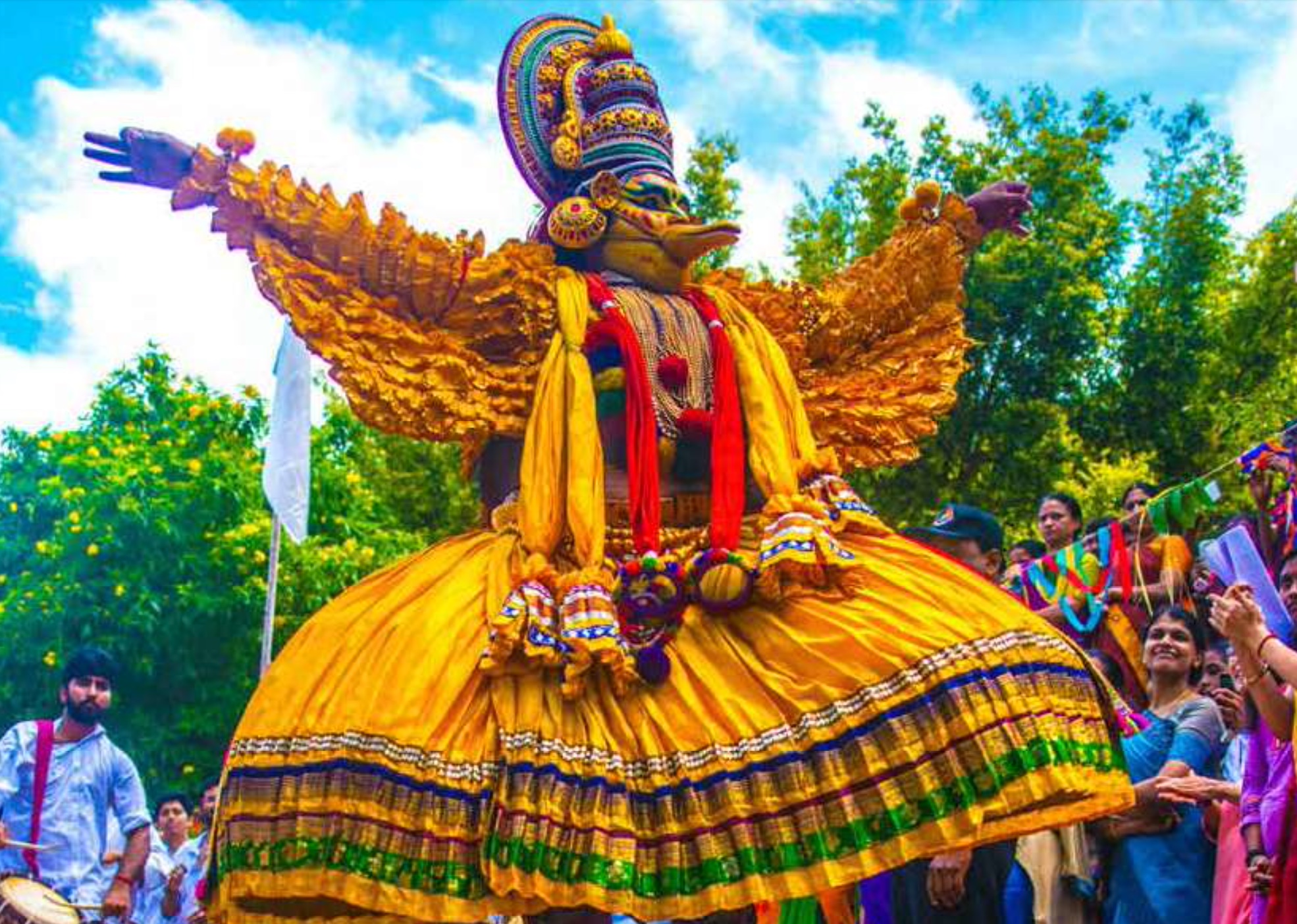
On a humid evening in the capital, policymakers spoke the language of strategy — but the idea they unveiled was, at its heart, deeply personal: how to get travelers to slow down, wander off-script, and see India not as a checklist, but as a lived experience.
With the launch of “Divya Bharat: A Window to the Soul of India,” NITI Aayog is attempting just that — crafting a curated, accessible narrative of the country’s diversity that nudges both domestic and international travelers to look beyond the obvious, and perhaps, stay a little longer.
The anthology, released by Vice Chairman Suman Bery, does not read like a conventional travel guide. Instead of top-10 lists and hurried itineraries, it moves with the rhythm of the calendar — suggesting where to go, and when, to catch a festival in full bloom, a landscape at its most forgiving, or a tradition still intact in a small town far from the tourist trail.
For travelers like 32-year-old Ananya Sharma, a marketing professional from Gurugram, that shift matters. “Most of my trips have been rushed — two days here, three days there,” she says. “But the places I remember are the ones where I stayed longer, spoke to people, tried local food. If something like this helps plan that better, I’d use it.”
That sentiment is precisely what policymakers are trying to tap into. India’s tourism story has long been dominated by a handful of crowded circuits — Jaipur, Goa, Varanasi — while vast stretches of the country remain underexplored. By spotlighting lesser-known destinations alongside iconic ones, Divya Bharat aims to redistribute footfall and, in doing so, opportunity.
There is an economic logic beneath the storytelling. Tourism contributes significantly to jobs and local incomes, particularly in rural and semi-urban regions. Yet the benefits are uneven, often bypassing communities that lack visibility rather than value. A more evenly spread travel map could change that — bringing visitors, and spending, to places that rarely make it into glossy brochures.
But the anthology’s ambition goes beyond economics. It leans into a broader shift toward experiential travel — journeys shaped by people and place rather than monuments alone. A village artisan demonstrating a centuries-old craft, a home kitchen serving a regional dish, a festival that unfolds over days instead of hours — these are the moments the compendium tries to foreground.
At the launch, Bery spoke of tourism as a growth driver, but also acknowledged the need for better coordination, infrastructure, and data to support it. Industry players, including Airbnb, have signaled interest in amplifying such narratives digitally, where discovery increasingly begins.
Whether Divya Bharat becomes a widely used travel companion remains to be seen. But its underlying premise is hard to dispute: in a country as layered as India, the real journey often begins where the guidebook ends. And if travelers can be persuaded to linger — in a town, a conversation, a moment — the experience, and its impact, may run deeper than a fleeting visit ever could.
Related posts:
 Brand USA Expands Travel Week to India, Underscoring Strategic Importance of USA’s Second-Largest Overseas Market
 Securing India’s Welcome: Why Tourist Police Reform Can’t Wait
 U.S. Tightens Birth Tourism Scrutiny as Digital Vetting Widens for Indian Visa Applicants
 Klook India Partners with Farah Khan for Summer Campaign