Join WhatsApp Channel

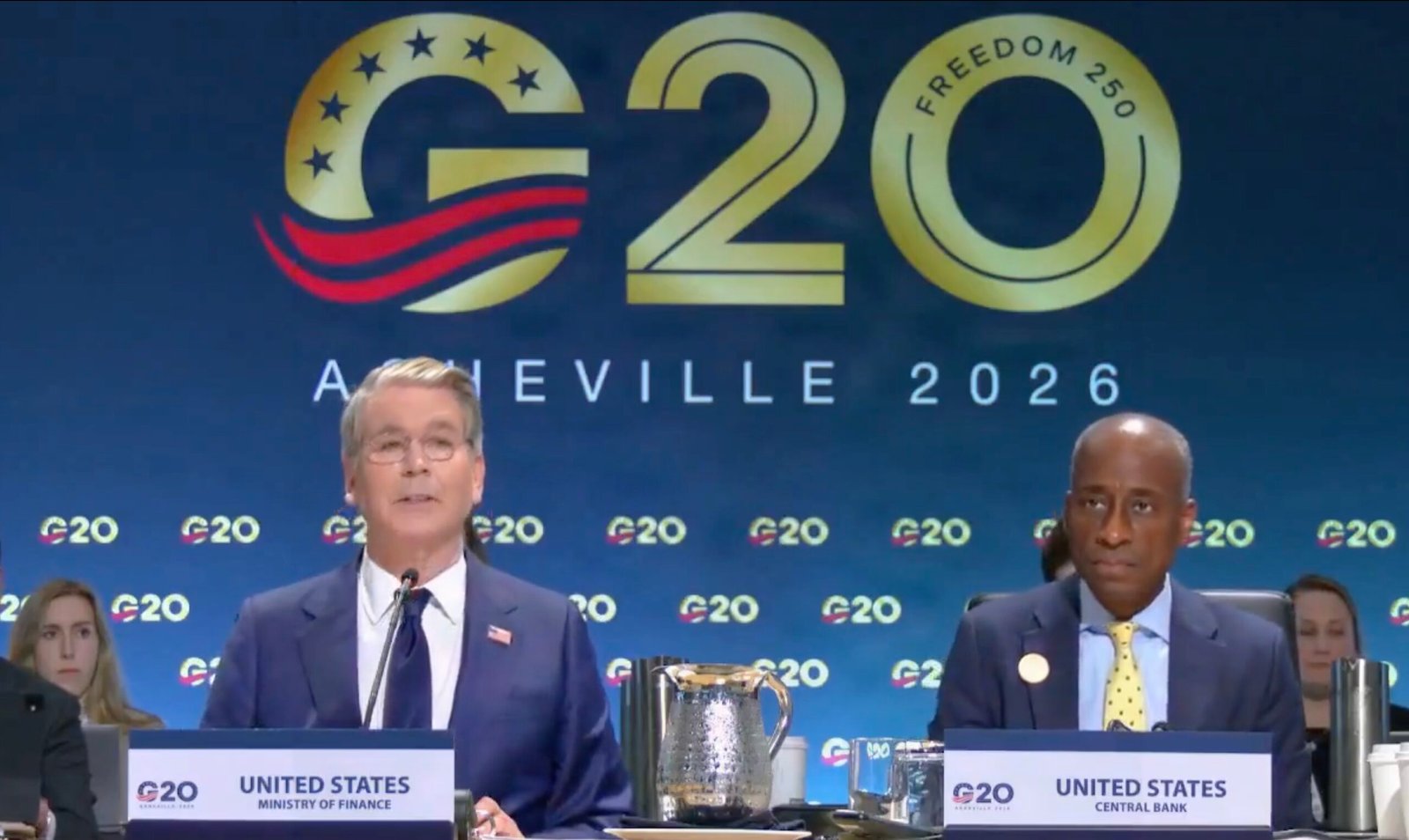
US Treasury Secretary Scott Bessent on September 1 said that disruptions to energy shipments through the Strait of Hormuz will become inconsequential within the next two years as Gulf states accelerate efforts to build alternative export routes following the waterway’s blockade by Iran.
“The oil will be going on pipelines across the land. In two years, the Straits of Hormuz will be a worthless piece of water,” Bessent said during a fireside chat at the G20 finance gathering in North Carolina.
Around 20% of the world’s energy supplies passed through the strait before the Iran war began on February 28. Brent crude at one point during the six-month conflict approached $120 a barrel, while diplomatic efforts to reopen the waterway temporarily eased prices before a fresh escalation pushed Brent above $90 this week.
Bessent had previously said that the strait was “never going back to the way it was” and estimated that as much as 70% of the energy that normally travels through the waterway could eventually be diverted to pipelines.
Oil-producing countries, many of which have faced Iranian attacks during the conflict, have announced multibillion-dollar projects to expand alternative routes. The UAE’s West-East crude oil pipeline expansion, for example, is expected to double export capacity through Fujairah when completed in 2027.
Other major pipeline projects are also being planned across Saudi Arabia, Iraq, Syria and Turkey.
“We have to de-risk everywhere in the world,” Bessent said. “You can see the Iranians are trying to use the Strait of Hormuz as a choke point. It’s not a choke point for the US but it is a choke point for many, many other countries.”
Bessent also said Washington would continue targeting Iranian financial assets as part of its campaign to isolate the country’s economy.
He said the Treasury Department was likely to announce sanctions against additional Iran-linked banks in the coming weeks.
“We are probably going to announce a bank sanction this week, and we will announce one the week after,” Bessent said.
The Treasury secretary travelled to North Carolina seeking international support for efforts to cut Iran off from its remaining financial lifelines. Last week, the department expanded the scope of secondary sanctions targeting countries and companies that continue to conduct business with Tehran and threatened to restrict their access to the dollar-based financial system.
“We are speaking with our allies here who have all come forward and will get a great show of support whether it’s from the EU, the ECB, the UK, the UAE,” Bessent said.
The Trump administration hopes that intensified economic pressure will eventually force Tehran back to the negotiating table and lead to an agreement on reopening the Strait of Hormuz. Maritime data from Kpler showed that only five vessels crossed the waterway on Monday, down from 10 on Sunday.
Bessent said Washington would “asphyxiate” Tehran’s economy, which is already facing severe inflation, a sharply weakening rial and rising petrol costs.
His comments came after Iranian President Masoud Pezeshkian said at a separate economic forum in Kyrgyzstan that Tehran would respond if Washington returned to the commitments contained in the June 17 framework for peace talks.
“My job is to make sure that they want to have a deal,” Bessent said, arguing that the previous framework failed because Iran was not prepared to reach an agreement.
“We will stop this regime’s ability to have a nuclear weapon, to have a highly enriched uranium, to project terrorist power through their proxy networks, and to terrorize the Gulf,” he said.
The latest US sanctions did not target Chinese financial institutions, a move analysts say could have triggered a confrontation with Beijing ahead of Chinese President Xi Jinping’s expected visit to the White House later this month. China currently takes roughly 90% of Iran’s crude oil exports.
Bessent said he discussed the issue with Chinese central bank governor Pan Gongsheng on Sunday and found that the two sides had more areas of agreement than disagreement concerning Iran.
“The Chinese agree Iran cannot have a nuclear weapon. The Chinese agree that there should be free freedom of navigation in the Strait of Hormuz,” Bessent said.
“So, we have had private discussions with them in terms of changing those goals.”