Join WhatsApp Channel

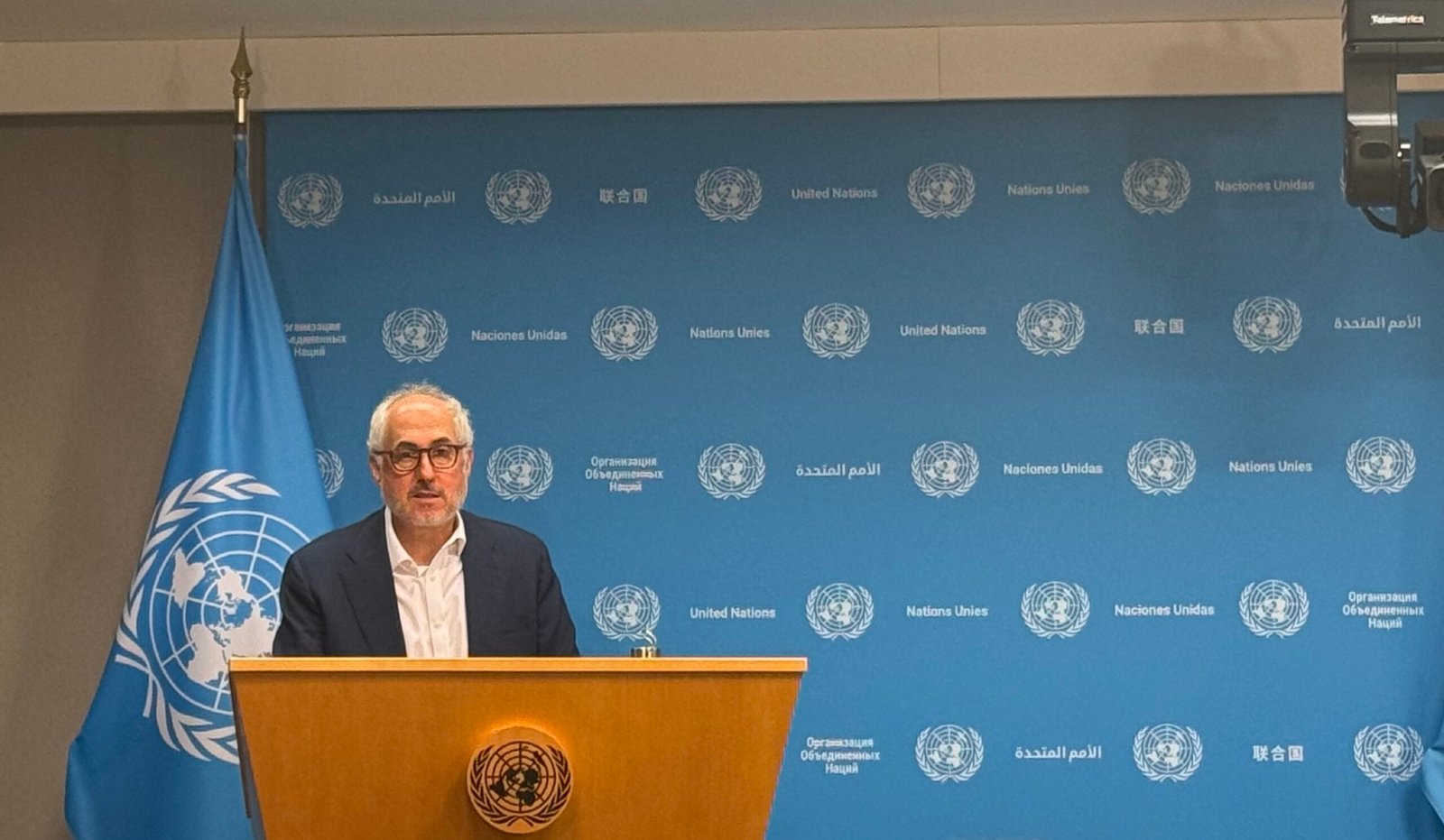
United Nations Deputy Secretary-General Amina J. Mohammed will make a brief stop in New Delhi, where she is expected to meet senior Indian government officials to discuss UN-India cooperation and the country’s efforts to advance sustainable development.
UN Secretary-General spokesperson Stéphane Dujarric announced the visit during a briefing at UN headquarters. He said Mohammed would also meet students at the Indian Institute of Technology to discuss the opportunities and challenges associated with leveraging digital innovation to support the Sustainable Development Goals.
Before traveling to India, Mohammed will attend the 17th session of the Conference of the Parties to the United Nations Convention to Combat Desertification on August 23 on behalf of the secretary-general.
During the conference, Mohammed is expected to emphasize the need to accelerate land restoration, strengthen resilience and advance sustainable development amid growing challenges related to desertification, land degradation and drought.
On the sidelines of the conference, she will hold meetings with heads of delegations, senior officials and UN colleagues.
Separately, UN Emergency Relief Coordinator and Under-Secretary-General for Humanitarian Affairs Tom Fletcher addressed UN correspondents from Kyiv to mark World Humanitarian Day.
“It’s a tough day for us. It’s a somber day for us, and I join you in paying tribute to humanitarians who run these extraordinary risks,” Fletcher said. “Risks that they shouldn’t have to run. Because behind those grim numbers read out are names. They are colleagues, they are our friends, they are families, and they are the best of us.”
Fletcher said the rising violence against humanitarian workers was not a “temporary spike,” but a “stain.”
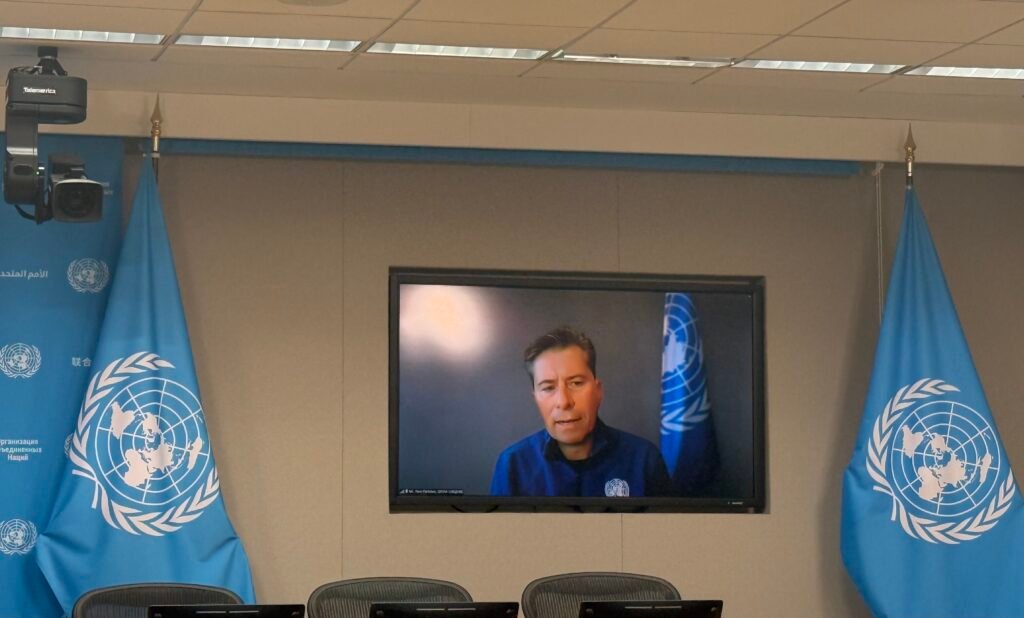
“It is the normalization of violence against our community, and we will not accept it. We will not allow this violence, this killing of humanitarians, to be normalized,” he added.
He attributed the continuing violence in part to a lack of accountability for those who carry out attacks, issue orders, provide weapons or create conditions in which such weapons can be used.
“I’ve been in the job now for almost two years, and I struggle to think of meaningful investigations into this litany of killing that we’ve seen,” Fletcher said.
Speaking during a visit to Ukraine for World Humanitarian Day, Fletcher described the country as a “real epicenter” of drone warfare. He said civilian areas were experiencing widespread drone attacks and warned that the situation offered a disturbing glimpse of how modern warfare could affect other parts of the world.
For people in Ukraine and other crisis zones, including Somalia, Sudan, Gaza and Lebanon, he said, such threats have become part of daily life.
Fletcher recalled that World Humanitarian Day originated following the bombing of the Canal Hotel in Baghdad 23 years ago. He said similar tragedies were now occurring regularly.
“We’re seeing them increasingly powered by a chilling alliance between technological ingenuity and modern warfare. And the victims are civilians, and they are humanitarians,” he said.
Fletcher said he had not visited another place where drones were so deeply embedded in everyday conversations. Children in shelters, civilians, humanitarian workers and his UN colleagues could distinguish among the sounds of first-person-view drones, fiber-optic drones, medium-range drones and loitering munitions, he said.
The integration of these weapons into people’s daily lives and vocabulary was “pretty chilling,” Fletcher added.
He also said he met civilians who had lost limbs in attacks involving first-person-view drones.
Fletcher noted that one of the most disturbing aspects of such attacks was that drone operators could see their targets and understand the consequences of their actions.
Related posts:
 Canada’s First Drone Soccer Team Heads to Korea for Inaugural FIDA World Cup
 Ukraine-India Relations: Navigating Historical Ties and Russian Disinformation in a New Geopolitical Era
 India Reaffirms Commitment to Combating Illicit Small Arms Trade at United Nations Security Council
 ‘We see it in citizens across the world peacefully choosing their future — from Ghana to India to South Korea’ says President Joe Biden during his UNGA Address