Join WhatsApp Channel

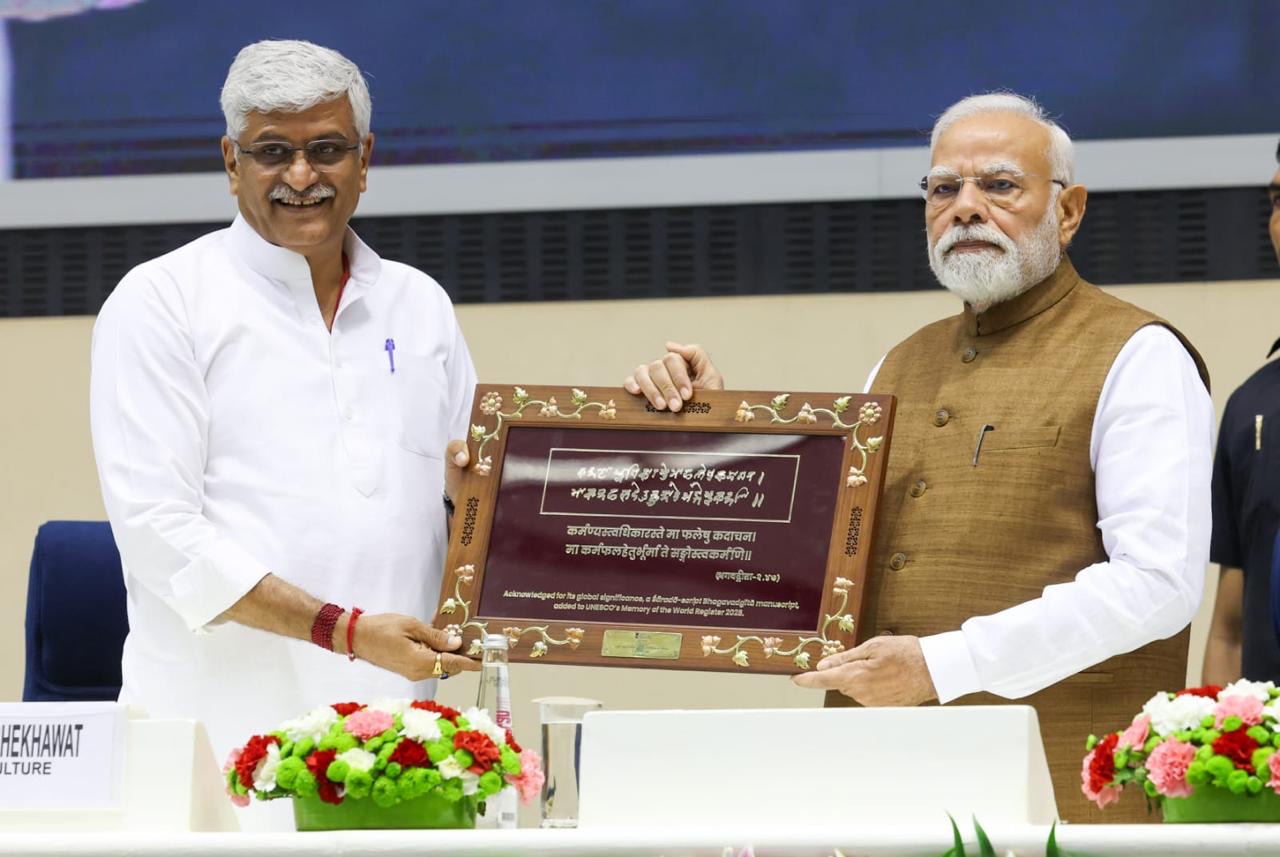

In this exclusive interview with South Asian Herald, India’s Minister of Culture & Tourism Gajendra Singh Shekhawat discusses how India is reclaiming its civilizational legacy, leveraging its cultural assets for economic growth, and positioning culture and tourism as powerful engines of nation-building in the decades ahead and India’s advance towards the vision of Viksit Bharat 2047.
Culture and tourism are increasingly emerging not merely as sectors of governance but as pillars of national development, economic growth, and global influence. At the center of this transformation is Shekhawat, whose ministry is overseeing initiatives ranging from the repatriation of stolen antiquities and the development of global tourism destinations to the revitalization of spiritual heritage corridors and engagement with the Indian diaspora.
One of the most significant achievements in India’s cultural diplomacy in recent years has been the return of hundreds of stolen antiquities from around the world. For Shekhawat, these recoveries are about far more than bringing artifacts home. “The return of India’s stolen antiquities is about restoring our civilizational memory and reconnecting communities with their cultural inheritance,” he says.
“These antiquities are invaluable carriers of history, identity, faith and knowledge,” Shekhawat notes, emphasizing that repatriation is only the first step. Once returned, the artifacts are conserved, researched, and displayed through initiatives such as the Gallery of Confiscated and Retrieved Antiquities at Purana Qila and exhibitions like The Light and the Lotus. “As provenance research continues globally, we remain committed to pursuing every legitimate avenue for the return of Indian cultural property wherever it may be found,” he adds.
Tourism remains a critical component of India’s growth story, and the Ministry’s ambitious “One State: One Global Destination” vision seeks to elevate select destinations to world-class standards.
For Shekhawat, India’s diversity is its greatest competitive advantage. “India’s strength is that every State has something unique to offer the world,” he says. The initiative focuses on improving accessibility, visitor amenities, cleanliness, safety, and overall visitor experience. The objective is not only to attract more foreign tourists but also to encourage them to explore regions beyond traditional destinations. “This will help international tourists discover newer parts of India, stay longer and carry back a richer experience,” he explains.
Among the most transformative developments in recent years has been the emergence of what many describe as India’s “Temple Economy” – a model in which heritage and spiritual destinations become catalysts for local economic development.
Shekhawat believes this concept reflects a broader understanding of culture itself. “The temple economy reflects an understanding of culture as a living ecosystem rather than a standalone monument,” he says.
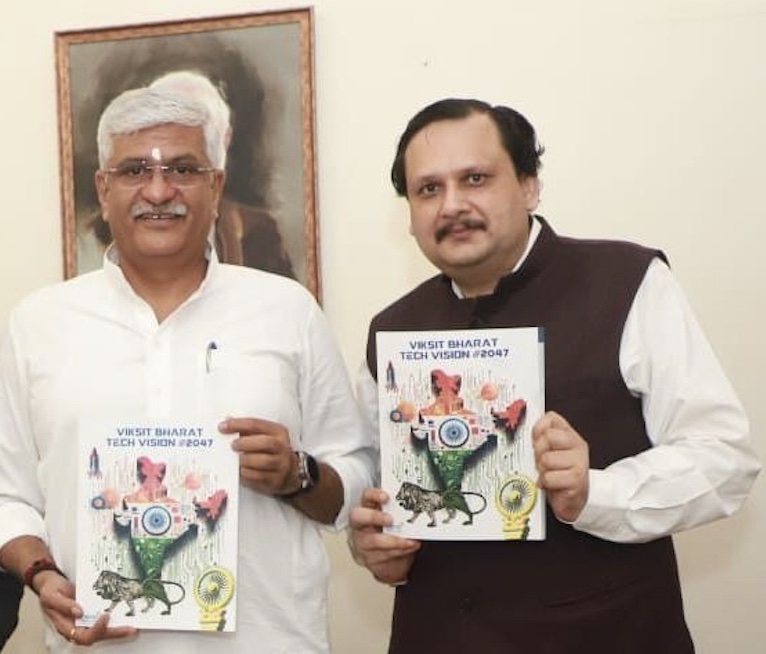
Historically, India’s sacred sites have served as centers of commerce, creativity, learning, and community life. Today, the government is seeking to revive those connections through integrated development of pilgrimage destinations. “When a pilgrimage centre is revitalized, the benefits extend far beyond tourism,” he explains. “It generates livelihoods, strengthens local supply chains, increases demand for traditional crafts and cultural products, creates opportunities for hospitality and service sectors, and encourages investment in local infrastructure. Our objective is to ensure that artists, artisans and cultural practitioners become active participants and beneficiaries of growth,” Shekhawat says.
As India moves toward 2047, he sees heritage ecosystems playing an increasingly important role in generating employment, supporting MSMEs, and fostering community-led development.
For a country with one of the world’s largest and most influential diasporas, cultural diplomacy extends well beyond government institutions. “The Indian diaspora is among our greatest cultural assets and one of our strongest bridges to the world,” Shekhawat says.
Going forward, Shekhawat sees tremendous opportunities in engaging younger generations through digital initiatives, academic partnerships, and cultural entrepreneurship. “We want second- and third-generation members to engage with India as a living source of innovation and cultural knowledge. Every member of the Indian diaspora has the potential to serve as a cultural ambassador,” he says.
For Shekhawat, culture and tourism are not peripheral sectors but central pillars of India’s long-term development strategy. “Culture and tourism are central to the vision of Viksit Bharat 2047, serving as both economic engines and the foundation of our national identity,” he says.
By investing in cultural infrastructure and strengthening the creative economy, India is pursuing a model in which economic prosperity and cultural continuity advance together.
As the country looks toward 2047, Shekhawat believes culture and tourism will continue to shape India’s emergence as a confident, innovative, and globally influential nation. “Our cultural and tourism strength must become a foundation for innovation, national pride and global leadership,” he says, “making them powerful engines of both prosperity and nation-building.”
Related posts:
 A Much-Awaited Homecoming: US Returns 297 Stolen Indian-Origin Antiquities
 USISPF-Led Roundtable Highlights Double-Digit Growth in India’s Tourism Industry
 India’s Vice President Inaugurates USISPF Tourism Leadership Summit 2026 in New Delhi, Highlights U.S.–India Travel Ties
 India Bets on $5.4 Billion Cruise Boom to Anchor Its Blue Economy