Join WhatsApp Channel

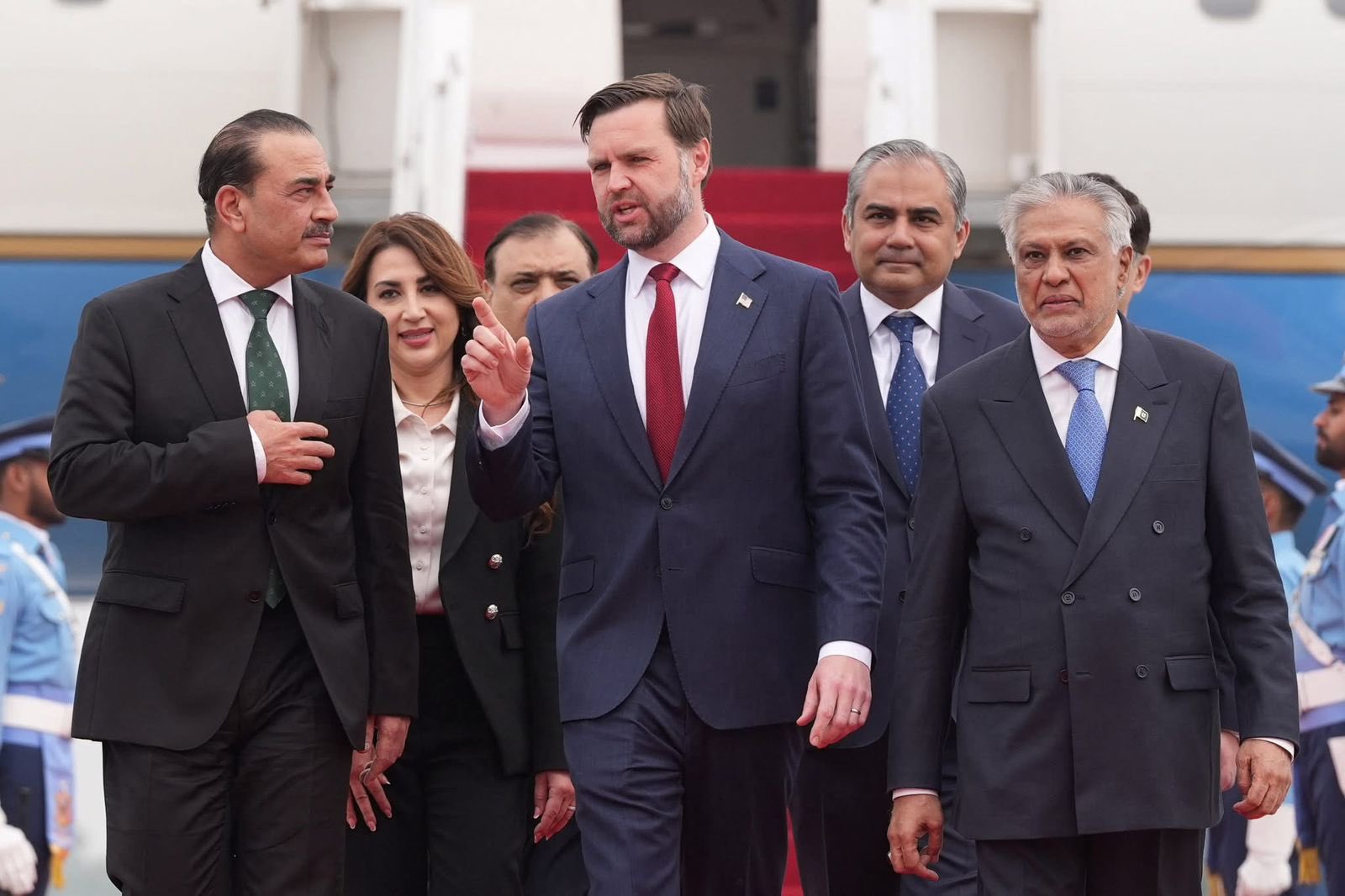
Islamabad, April 11: US and Iranian negotiators have converged in Islamabad, Pakistan, where peace talks are expected to begin within hours, the next critical step in efforts to solidify a fragile two-week ceasefire that halted 40 days of devastating war between Iran and US-Israel just a few days ago.
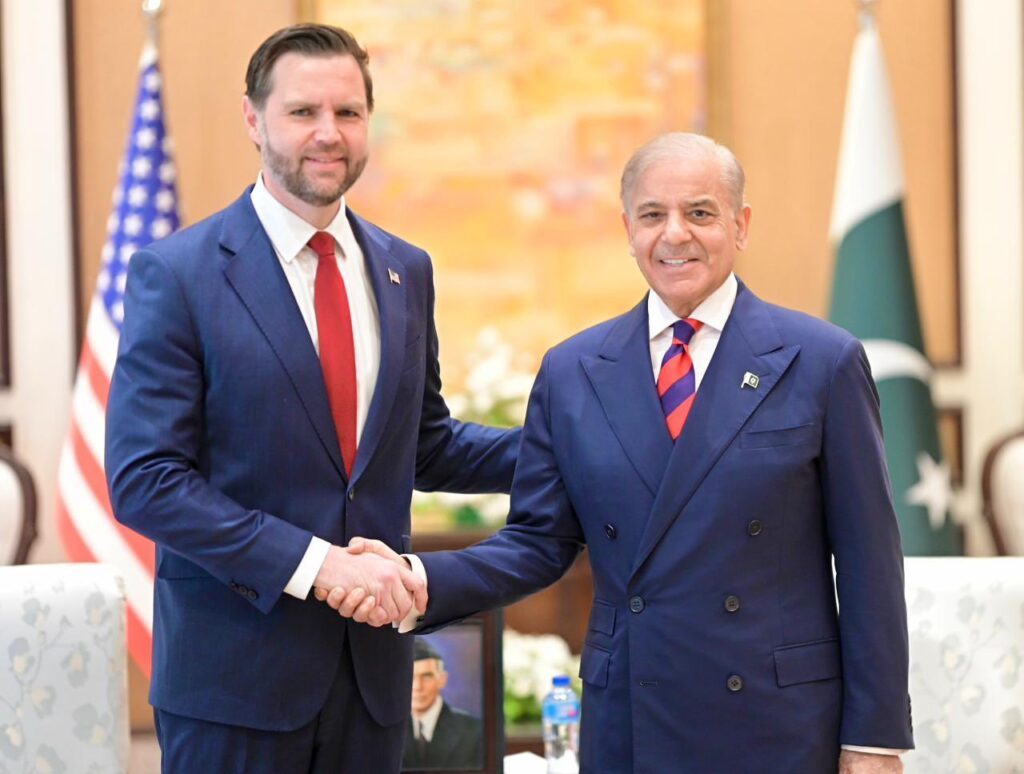
US Vice President JD Vance landed in the Pakistani capital on Saturday. The American delegation is led by Vance, along with special envoys Steve Witkoff and Jared Kushner.
On the Iranian side, a delegation of 71 people has arrived, comprising negotiators, technical experts, media representatives, and security personnel, according to state media outlet Tasnim.
Parliament Speaker Mohammad Bagher Ghalibaf, who is known as strategic moderator, is heading the group, with Foreign Minister Abbas Araghchi also among its ranks.
The size of the Iranian delegation reflects the “complexity and sensitivity of the talks”.
The US is coming to the table with a 15-point proposal, the full details of which have not been made public. It is reported to include demands that Iran renounce nuclear weapons, surrender its highly enriched uranium stockpiles, accept limits on its defense capabilities, and reopen the Strait of Hormuz.
Iran holds deep mistrust toward US, especially Witkoff, who led earlier negotiating rounds that were ultimately cut short by US strikes in 2025 and early this year as US-Israeli launched strikes amidst the negotiations.
Negotiations are expected to take several days before a ceasefire can be formally locked in. How it will be achieved remains to be seen.
Vance has been expressing concern that the conflict risked spiraling beyond control and has been instrumental in making the peace talks, which Pakistan has dubbed “Islamabad Talks”.
He had been skeptical about striking Iran from the outset and has spent weeks quietly working toward a diplomatic off-ramp, as per media reports.
The stakes are high and success is far from guaranteed; the two sides remain far apart and have continued to exchange sharp rhetoric since Tuesday’s abrupt ceasefire announcement as Iran said that Lebanon was also part of the 10-point plan and US said Lebanon was not part of the deal.
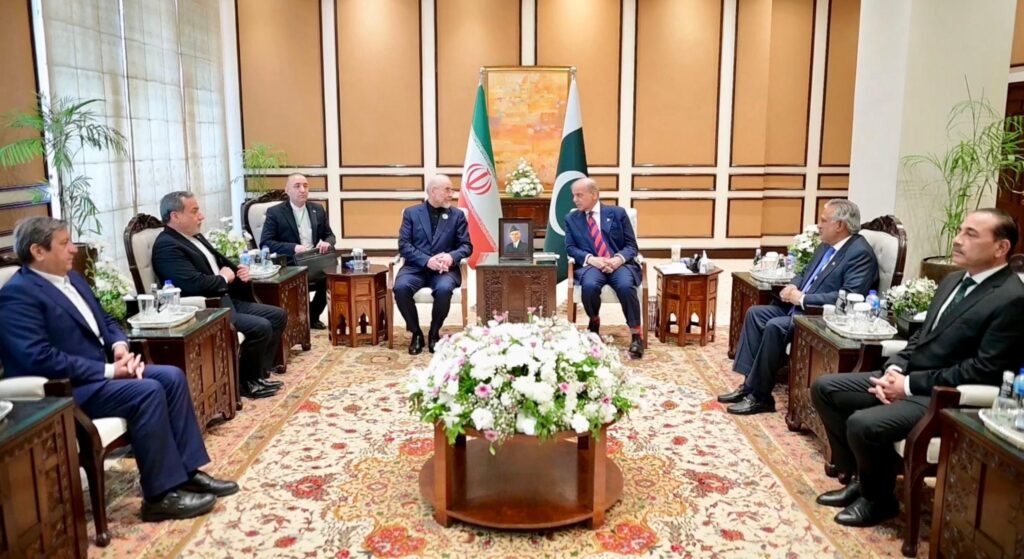
A day before the “Islamabad Talks”, Iran made a bold move by proposing new conditions on shipping through the Strait of Hormuz, including transit fees payable in the Iranian rial, a move signaling Tehran’s intent to assert control over one of the world’s most strategic maritime chokepoints.
The head of Iran’s Parliament National Security Commission indicated that, under a parliamentary proposal, all transit fees through the Strait would be settled in Iran’s national currency, according to a post from Iran’s Consulate General in Mumbai on X.
“In the Strategic Action Plan for Security and Sustainable Development of the Strait of Hormuz, the government may, if necessary, sign an agreement with Oman; though this is a secondary provision, not the core of the plan.”
For a vice president with his eye on a future presidential run, brokering a lasting deal would offer him a rare chance to emerge from a turbulent stretch of the administration in a position of genuine strength.
To prepare for the talks, Islamabad declared a two-day public holiday and deployed around 10,000 security personnel across the city.
Army Chief General Asim Munir has played the mediation effort due to his ties with Washington, Tehran, and Gulf capitals.
Meanwhile, Pakistan is celebrating its emergence as a global peacemaker. However, if the talks collapse or fail, the country’s hopes of gaining a diplomatic edge could suffer a significant setback.