Join WhatsApp Channel

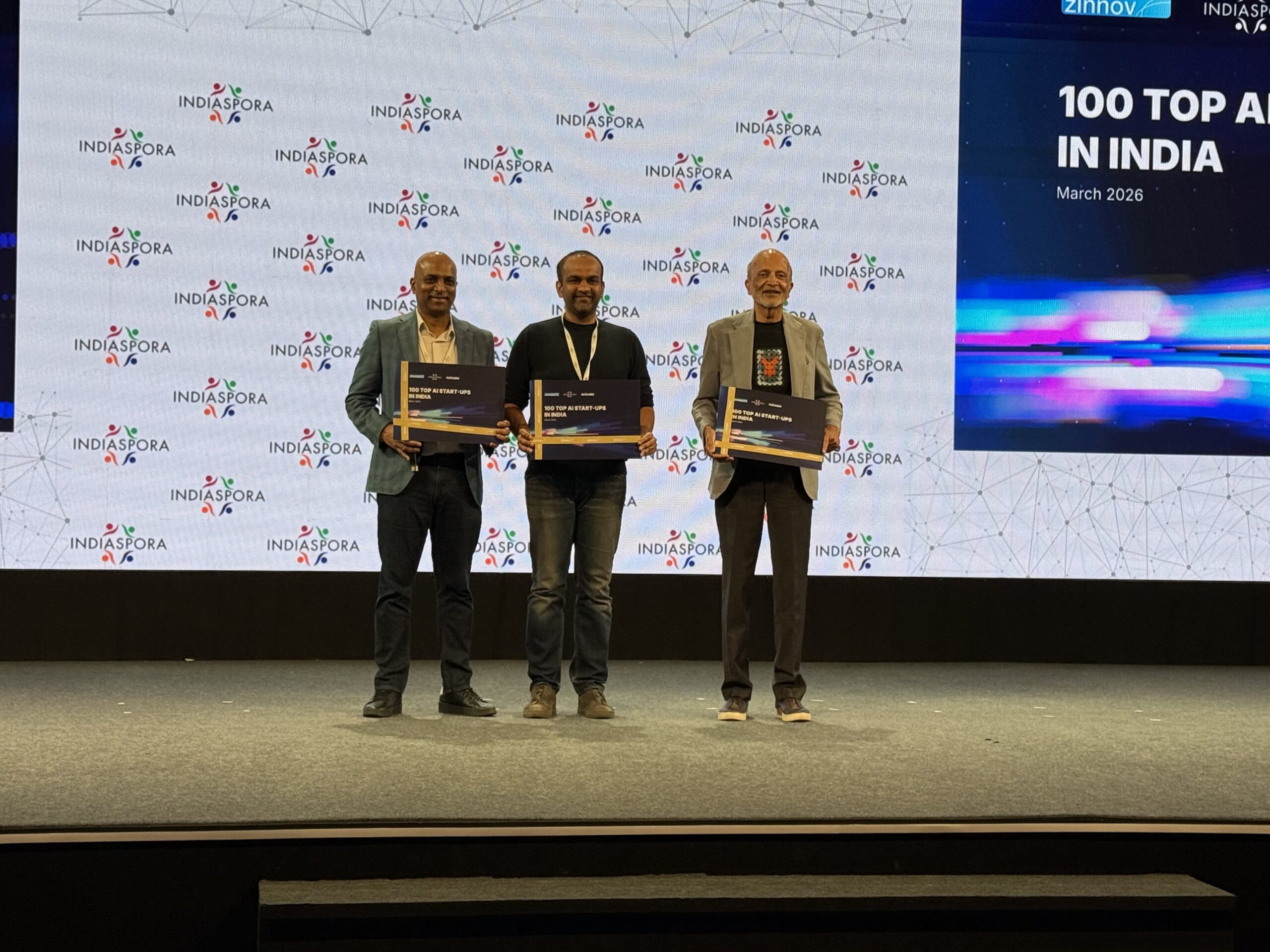
The fourth Indiaspora Global AI Summit on March 25, 2026, at the JW Marriott Hotel and Convention Centre in Bengaluru, brought together industry leaders, entrepreneurs, and policymakers to examine the evolving impact of artificial intelligence in India. A key highlight of the summit was the unveiling of the country’s top 100 startups, which have collectively raised more than $3 billion.
The discussions emphasized the growing importance of AI across sectors such as healthcare, education, and emerging industries. Speakers noted that India’s diverse data ecosystem and technical expertise position it for significant growth, reinforcing its potential to play a leading role in global AI innovation.
“Today it’s the global summit,” said moderator of the plenary session, Sree Sreenivasan, CEO and co-founder of Digimentors, noting that “We have to come this year to the Silicon Valley of India, right here in Bengaluru.”
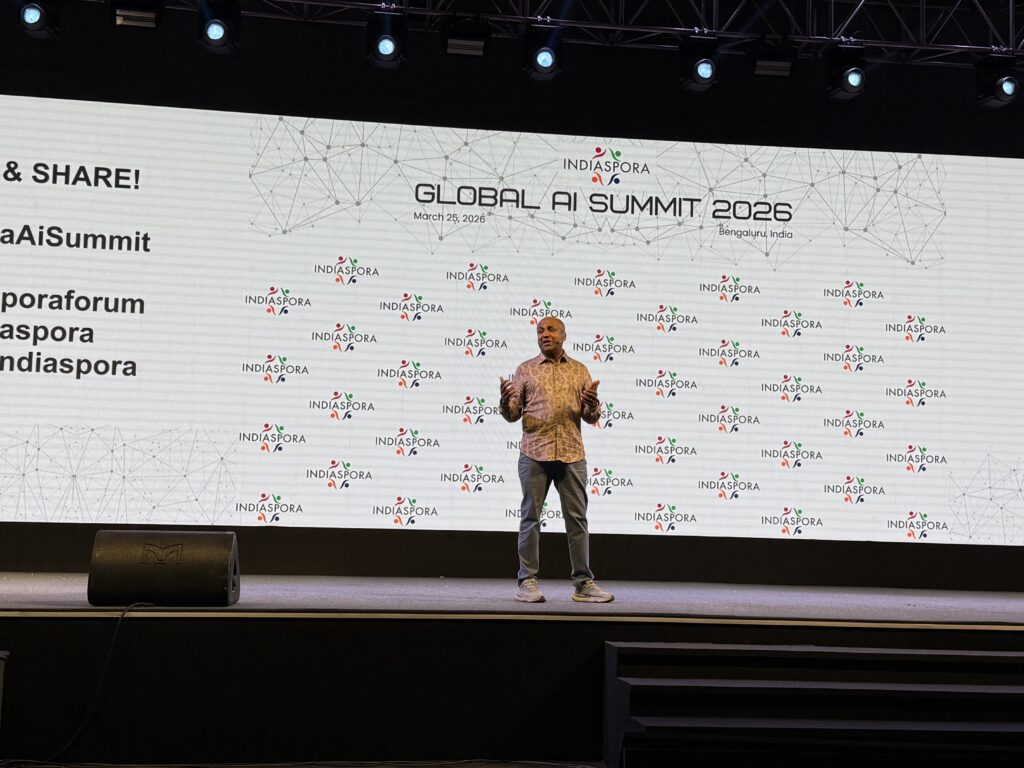
He added that the previous three summits were held in Dubai and California. Introducing Indiaspora to the audience, Srinivasan said it is an organization that is helping bring the Indian diaspora together as a force for global good, adding that Indiaspora released a brand-new report about India and the diaspora’s impact on the country.
Founder of Indiaspora, MR Rangaswami, said, “Our mission is to be a force for good. And the ethos of the organization is Seva. And this is part of my Seva is to bring these kinds of things together so that the greater community can benefit.”
“Today, we are going to focus on AI,” he said, noting that AI is moving at the “speed of light.” He added that new developments are emerging every six months.
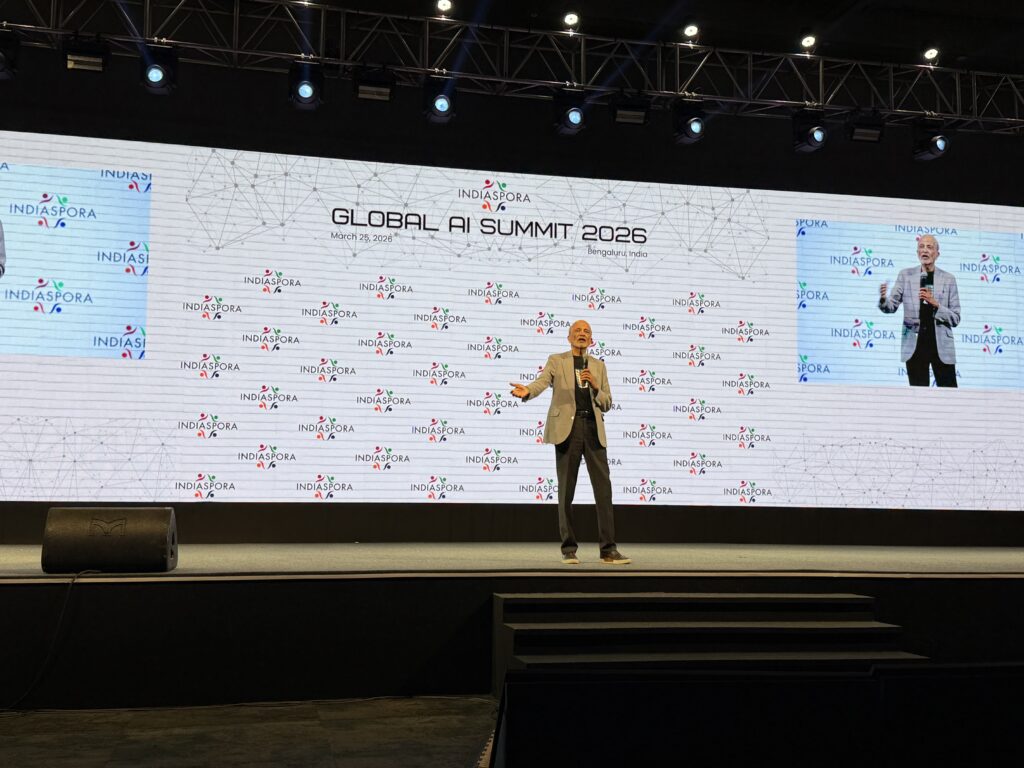
“So we want to do this quite often, so that everybody can catch up on the latest and greatest,” he said, pointing out that hosting the summit in Bengaluru provides an opportunity for both global participants and those based in India to engage directly.
“We had the Indiaspora forum the last couple of days at the same hotel. We had people from about 25 countries come for the forum,” he added. “And then we expanded it now to include all Indians in the forum as well. So, you’ll meet lot of Diaspora people, and you’ll meet lot of your people here in India.”
Principal Analyst and Founder and Chairman of Constellation Research, Ray Wang, said he would focus on the impact of AI in the marketplace, adding, “I’m going to leave you with some of the important business knowledge of what’s going on and more importantly, what you should do when you take this back to your home and office.”
Wang emphasized that, as with previous technological shifts, organizations must align AI adoption with clear business outcomes.
“You have to have a business purpose, and when you do that, you’re going to do miracles,” he said, citing how Coca Cola benefited from the artificial refrigeration revolution.
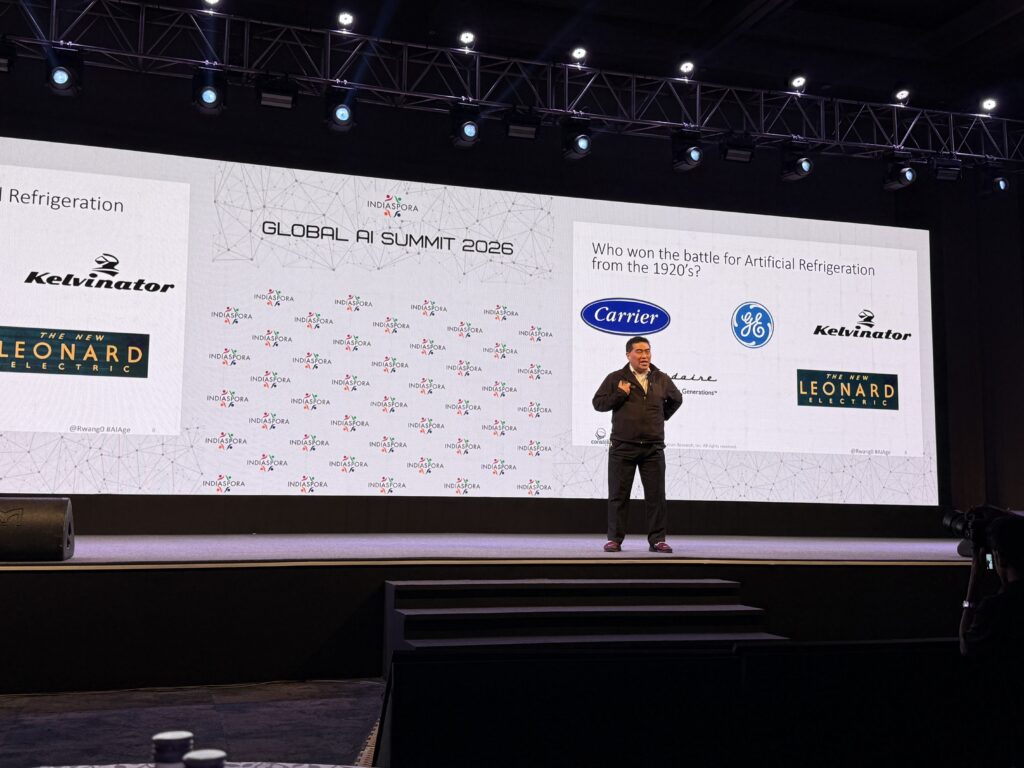
“And that’s what I’m telling you. The first movers who adopt this AI revolution, whether it’s agentic or generative. These are the ones that are going to drive massive change,” he added. “We are in an era where the winner takes all market. We’re the first person that wins at 60% of the market. The next person comes in at 20 per cent and then it’s scattered from there.”
He noted that, similar to digital transformation, AI adoption is expected to accelerate rapidly, leading to a limited number of dominant players. He added that prior investments in digitization now form the foundation for the next phase of AI-driven transformation.
At the same time, Wang highlighted how the AI landscape differs from earlier technology cycles. While the internet era was more open and broadly distributed, AI development is currently capital intensive and concentrated among fewer players.
“The problem with AI is it’s capital intensive, so it’s a closed system. There are very few players at this moment, and we actually have a centralization model instead of decentralization,” he said. “And more importantly, it’s a little bit more expensive right now, but that is all going to change.”
He also addressed ongoing economic pressures, including tariffs, inflation, labor costs, and supply chain constraints, asking the audience to reflect on their impact.
“It’s impacting a lot of your business. We have almost half the people in the room raising their hands, and that’s because we’re in an era of the 10x rule,” he added.
“Things are 10 times harder,” he said, noting that many companies are working significantly harder to maintain growth. “This is what’s going on in the era of margin compression,” where most Fortune 500 companies have experienced single-digit growth over the past decade.
He cautioned that the transition to AI will fundamentally reshape organizational structures.
“That is not a good place to be, and we are just about to hit the AI revolution. And this age of AI changes how things work. Unlike the traditional pyramid style, with AI, we’re going to see some different changes,” he said. According to Wang, AI-driven automation could transform traditional organizational hierarchies into more streamlined structures, reducing certain types of knowledge work.
“I’m not going to be here to tell you that all your jobs will be saved. All your jobs will go away with AI,” Wang added. “I’m telling you, over the next 10 years, you’ll see a reduction in the type of white-collar work that will happen. Some companies will take 10 years. Some companies will do it in one day.”
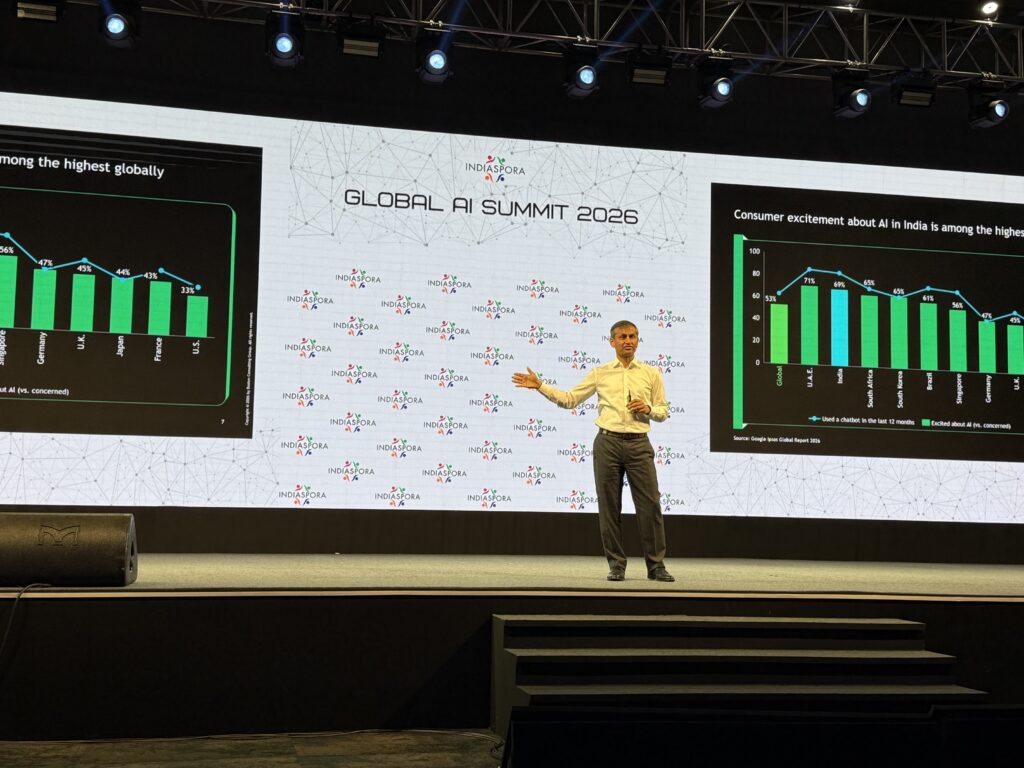
Managing Director and Senior Partner at Boston Consulting Group, Neeraj Agarwal, described the AI landscape as one undergoing “enormous change,” noting that predictions in this space remain uncertain.
He said he would offer a more “centered” perspective on the state of AI in India, focusing on three areas: the country’s current position relative to global peers, prevailing sentiment, and emerging opportunities.
“I think the reason I do this is because I feel that hopefully gives you a more holistic view of the state of AI in the country,” he added.
Related posts:
 Indiaspora Forum 2026 Opens in Bengaluru with Focus on Philanthropy, Community Impact, and Cultural Celebration
 ‘Indiaspora Forum for Good’ to Unite Global Indian Leaders for Actionable Solutions, Collaboration, and Innovation
 Indiaspora to Host Global AI Summit in Bengaluru, Bringing Together Global Tech and Policy Leaders
 Indiaspora Report Highlights Global Indian Diaspora as “Force of Capital, Capability, and Credibility” Driving India’s 2047 Vision