Join WhatsApp Channel

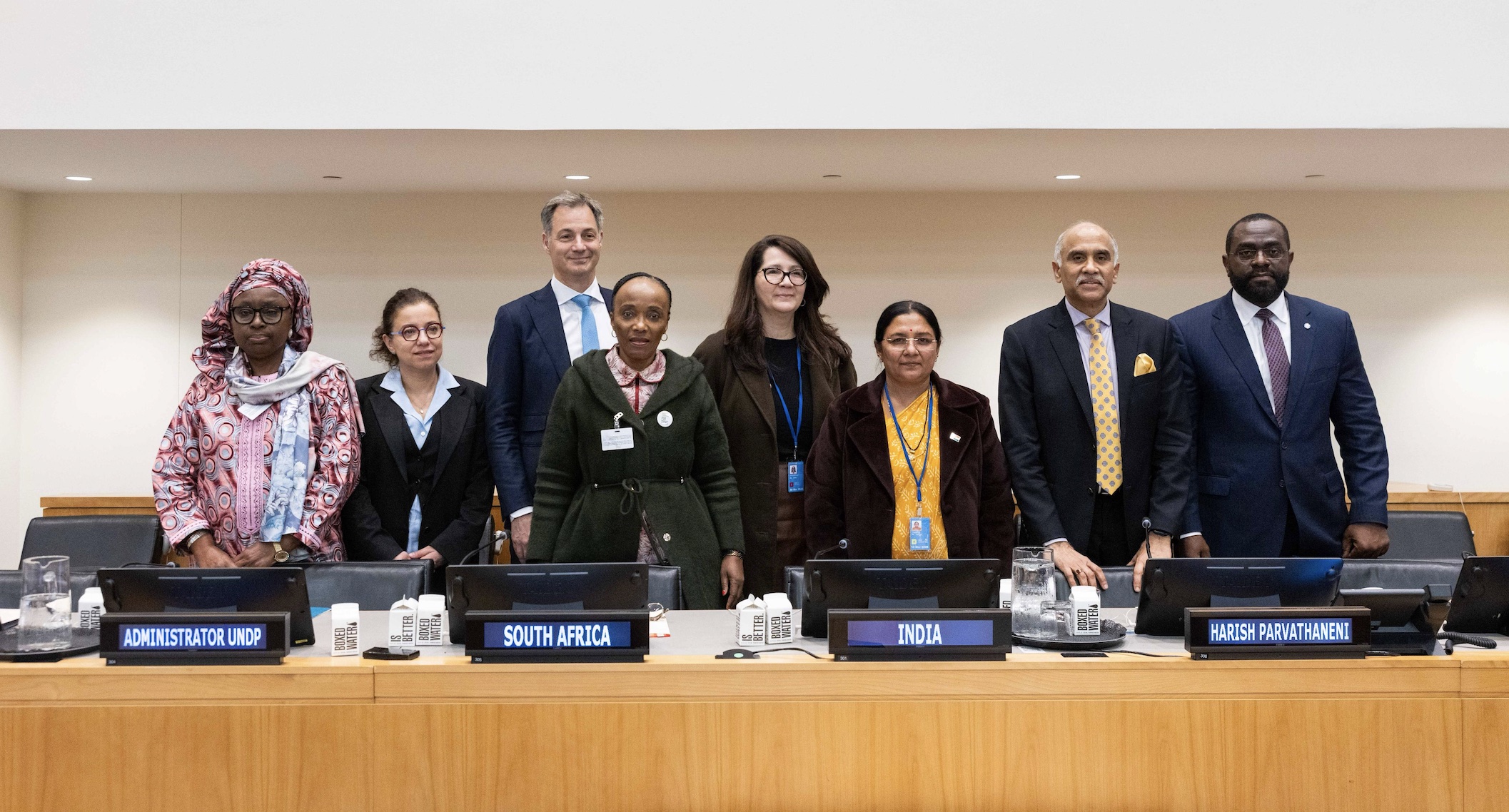
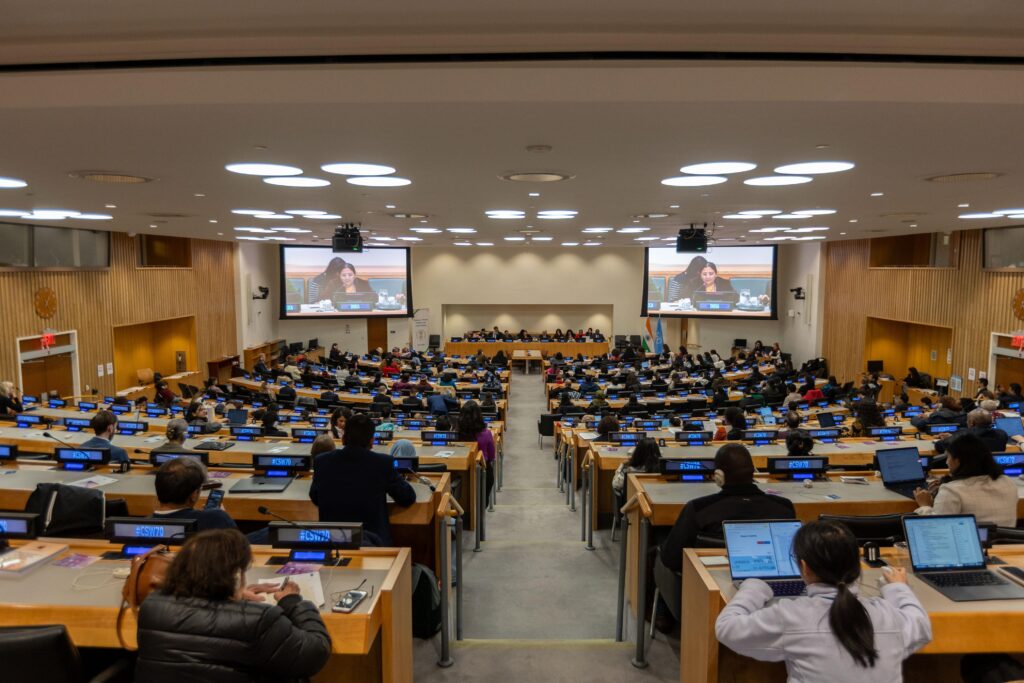
The Permanent Missions of India, Brazil and South Africa convened an event titled “Women-led Development and South-South Cooperation – Success Stories from the IBSA Fund” on March 12, 2026, during the ongoing 70th session of the Commission on the Status of Women (CSW70) at the United Nations.
The discussion highlighted practical examples of collaboration among Global South countries to advance women’s empowerment. Speakers emphasized the lasting impact of multilateral engagement and South-South cooperation in promoting development initiatives centered on women.
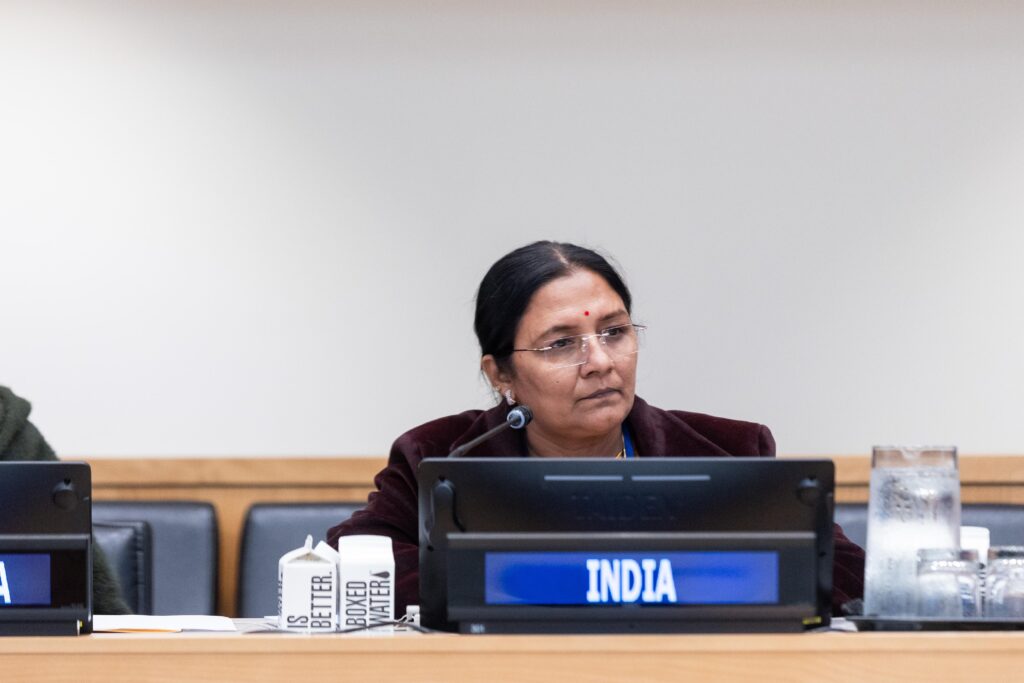
Addressing the event, India’s Minister of State for Women and Child Development, Savitri Thakur, noted that the IBSA Fund’s focus on women’s empowerment reflects a “deliberate choice.” She said the emphasis aligns with India’s “own vision” of women-led development and its commitment to placing women at the “heart” of the country’s economic growth.
South Africa’s Minister of Women, Youth and Persons with Disabilities, Sindisiwe Chikunga, highlighted the outcomes of IBSA-supported initiatives across Africa. She pointed to projects in Malawi, Benin, Guinea-Bissau and Gambia that are addressing child marriage, expanding access to education, improving electrification and promoting agri-entrepreneurship.
Brazil’s Vice Minister of Women, Eutália Barbosa Rodrigues Naves, described the IBSA Fund as a “living embodiment” of South-South solidarity. She also emphasized that women-led development can serve as a pathway to “economic autonomy, resilient democratic institutions and meaningful transformation” within communities.
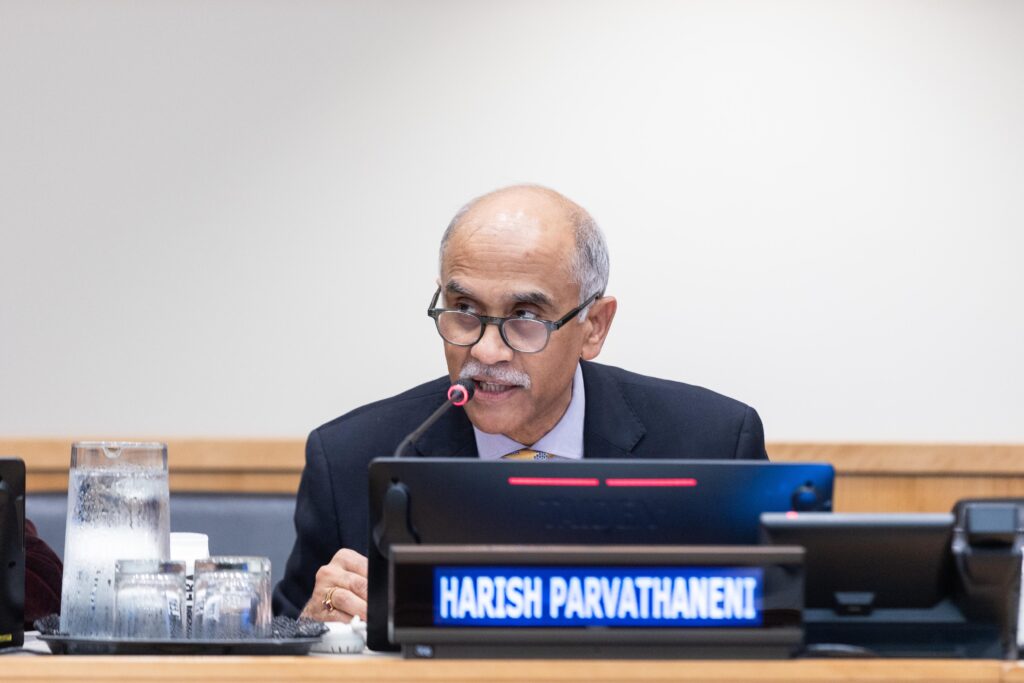
India’s Permanent Representative to the United Nations, Ambassador Harish Parvathaneni, outlined the vision behind the creation of the IBSA Fund, describing it as a “trustworthy, demand driven model.” He said the initiative demonstrates the effectiveness of South-South cooperation at a time when traditional aid systems face increasing strain and development assistance is becoming more fragmented.
Officials from several partner countries also shared experiences of how IBSA-funded projects have affected communities. Gambia’s Minister Fatou Kinteh, Fiji’s acting Permanent Secretary for Women, Children and Social Protection Selina Kuruleca, and Liberia’s Deputy Permanent Representative Ambassador Baba Sillah spoke about how the initiatives have improved livelihoods and opportunities for women.
Alexander De Croo, Administrator of the United Nations Development Programme (UNDP), the implementing agency of the IBSA Fund, expressed pride in UNDP’s role in advancing the initiative. He noted that women’s empowerment is a “powerful catalyst” for economic growth and development and emphasized that gender equality should be viewed as an essential element of development projects within South-South cooperation.
The event also highlighted several IBSA Fund projects that place women at the center of development efforts. These include the expansion of the Rocket Stove initiative in Fiji, which provides rural women with skills training and enterprise opportunities; a training program for women legislators in Liberia aimed at strengthening leadership and gender-responsive governance; and a project in Gambia that improves food security and household income through solar-powered irrigation and training in food processing and packaging to reduce post-harvest losses.
The IBSA Fund was established in 2004 and became operational in 2006 through a partnership between India, Brazil and South Africa to promote South-South cooperation. The initiative supports scalable and replicable projects that can serve as models for developing countries seeking to combat poverty and hunger.
Covering areas such as food security, education, entrepreneurship and health, the Fund focuses on knowledge sharing and sustainable development. As of December 2025, India, Brazil and South Africa have jointly contributed more than USD 55 million, supporting over 50 projects in 40 countries in partnership with UN agencies including UNICEF, UNDP, the World Food Programme, the Food and Agriculture Organization, UNESCO and the International Fund for Agricultural Development.