Join WhatsApp Channel

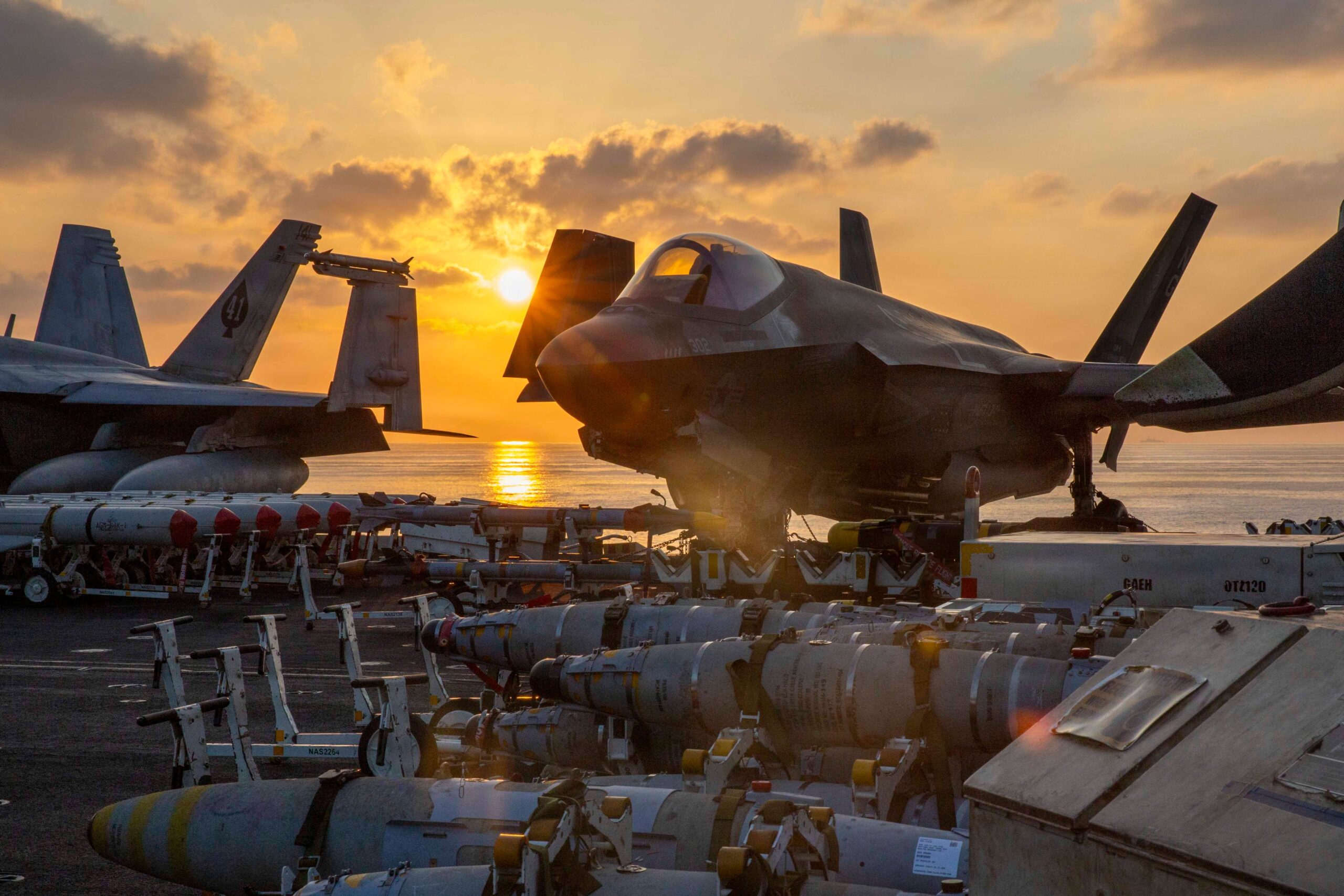
Forget President Donald J Trump for a minute. Even his trusted advisors seemed not to have a clue about the endgame in the ongoing war with Iran and generally a widened conflict in the Middle East. And it is not too difficult to figure out why. Unless the objectives of starting a bombing operation had been fully digested prior to a start, it would indeed be very difficult to draw a final line.
With shifting objectives depending on who is asked in Tel Aviv or Washington, the parameters of closure also keep moving along. The first realization being Iran is no Venezuela; and there is no Delcy Rodriguez in Tehran to fill in for the assassinated Ayatollah Ali Khamenei.
If the Middle East is in a mess, it really does no good wailing at the outcomes for the warning signals were all there from the very beginning. The assumption that the entire edifice in Tehran would collapse like a house of cards was indeed certainly misplaced; so was the thinking that all of the clerics would be running for cover once Ayatollah Khamenei was out of the scene.
The word now is that the son of Ayatollah Khamenei has assumed the mantle; and is said to be more ruthless and brutal than his father. The more signs of Tel Aviv and Washington toughening air attacks or heightened rhetoric of what is in store has resulted in Tehran calling off all negotiations, a small window of opening that could have been left even at the level of intelligence agencies.
The chaos that has unfolded is something that few anticipated; again out of a perception that Iran would capitulate quickly. Instead, what came about was a stark warning to the smaller Gulf nations that American assets in their country and the region’s airspace were in jeopardy. The problem was that the drones and missiles fired by Iran did not target only military bases and installations of the United States—they fell in market places, residential areas and terminals of airport rattling the already frightened travelers. The continued closure of airspace has put a huge hole in the pockets of the aviation industry and passengers not just flying to destinations in the Gulf but making useful connections to the rest of the world. Except for those affected, those plotting war moves would hardly lose any sleep over this.
Strategists in Tel Aviv and Washington ought to know that getting a pliable person in Tehran is going to be difficult especially since Iranians are quite aware of how manipulative outside powers had been in engineering a coup in 1953 and bringing in a puppet like the Shah of Iran who would dance to the tunes of the West for about four decades till his disgraceful exit in 1979. There are still those nursing the illusion that the son of the Shah will return from exile from the United States and take over governing. It is not a simple issue of hopping out of plane and getting into the scheme of things. Iran of 2026 is quite different from the 1970s.
People may have been tired and plain repulsive of the barbaric ways of what followed the Shah of Iran, but what has been put in place over the last forty years like the Revolutionary Guards or the special Quds Force cannot be dismantled with a decree. The Hamas, Hezbollah and the Houthis may have been decimated in recent months but can hardly be considered a spent force or that Tehran would stop propping up its proxies immediately.
One thinking in the corridors of power in Washington is to start funding and training the Kurds through the Central Intelligence Agency especially those sitting on the Iran-Iraq border who have long aspired for independence. But apparently there are those who are worried of being abandoned and thrown under the bus by Washington when the environment changes.
Perplexing in all this is the silence of China and Russia who were often played out to be “close friends” or even “inseparable” allies. In a way Russia will see the developments in the Middle East as an unexpected invitation to step up its offensives in the Ukraine war. To some extent it takes the heat off President Vladimir Putin knowing that the attention of Washington is elsewhere. And the same goes for China and President Xi Jinping who appears to have said all the correct things about the war, offering moral support along with Moscow at the United Nations and perhaps even quietly adding to the missile strength of Tehran through supply of chemicals and parts.
Beijing also would not want to rock the Washington boat too much given that it stands to gain on issues of trade and tariffs. Further it would not want to openly ruin an atmosphere given that President Trump is due for a high profile visit in a few weeks. Above all it gives President Xi room to go about on his own fishing in the troubled waters of the South China Seas, in the Taiwan Straits and Indo Pacific.
At this time, the real disadvantaged are the people of Iran not knowing how to swing the circumstances to their advantage. They are faced with the Ayatollahs who may not be acceptable to Washington and Tel Aviv, the remnants of a ruthless internal security force, the prospect of violence breaking out in the provinces and from the remnants of the Shah which may be eager to push the candidacy of Reza Palhavi.
In all this a word of caution that is already being flagged: the possibility of a regime emerging in Tehran that is even more adamant of pursuing a nuclear program or continuing hostility to the state of Israel. Looking for a regime to sign on the dotted lines could be a short-term fix that is unlikely to play out in the longer term.
Disclaimer: The opinions and views expressed in this article/column are those of the author(s) and do not necessarily reflect the views or positions of South Asian Herald.