Join WhatsApp Channel

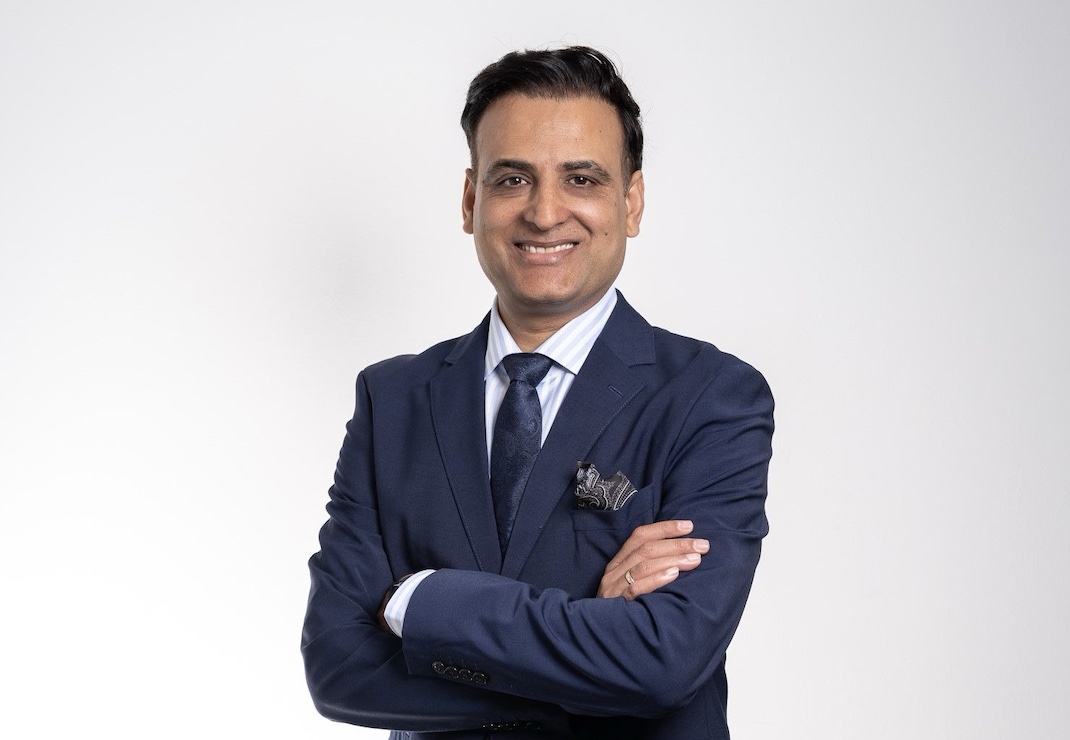
What motivated you to join the board of the American Red Cross, Washington DC chapter?
My motivation is rooted in service at scale. The American Red Cross operates at the intersection of humanitarian response, public trust, and institutional resilience—areas that strongly align with my professional values. At this stage of my career, contributing perspective and experience to governance and long-term institutional strength felt both timely and meaningful, particularly within the Washington DC chapter’s uniquely complex civic environment.
How does your professional background align with the mission of the Red Cross?
My career has centered on leadership roles in highly regulated, high-trust environments, across multiple regions and countries with acutely complex geopolitics and working closely with governments, institutions, and diverse communities. That experience translates naturally into a board role focused on governance, accountability, and strategic oversight. While the Red Cross is humanitarian at its core, it is also an institution that must operate with precision and foresight. My background allows me to contribute thoughtfully to those dimensions.
What perspective do you hope to bring to the boardroom?
I hope to bring a perspective shaped by systems thinking and cross-sector collaboration. Humanitarian challenges today are increasingly interconnected, requiring institutions to be both agile and resilient. From a board standpoint, this means supporting long-term strategy, responsible governance, and partnerships that strengthen the organization’s ability to serve communities effectively.
The Washington DC chapter operates in a unique environment. What makes it especially important?
Washington DC sits at the convergence of federal institutions, local communities, international organizations, and policy leadership. This gives the chapter a distinctive role. Its work extends beyond emergency response to preparedness, coordination, and maintaining public trust. Strong board leadership helps ensure the chapter remains effective within this complex civic ecosystem.
How do you view the role of governance in a humanitarian organization like the Red Cross?
Governance is fundamental to mission delivery. It ensures that humanitarian intent is matched with ethical oversight, operational discipline, and sustainable decision-making. For a mission-driven organization, governance is about stewardship—protecting trust, enabling impact, and ensuring long-term institutional resilience.
What does this appointment represent for you at this stage of your career?
It represents a conscious decision to contribute beyond professional roles by dedicating time and perspective to public service at the institutional level. Board service of this nature is undertaken in a non-executive, service-oriented capacity and carries responsibility rather than visibility. I approach it with humility, seriousness, and a long-term view of impact.
Related posts:
 Moscow Summit Sees India Draw a Hard Red Line on Terrorism
 A Nation of Storytellers: Why Sri Lanka’s New PR Body Signals a Country Reclaiming its Narrative
 Building Bridges Across Continents Through Storytelling and Strategy
 Inderjit Singh Bindra: The Visionary Administrator Who Transformed Indian Cricket and Punjab’s Sports Landscape