Join WhatsApp Channel

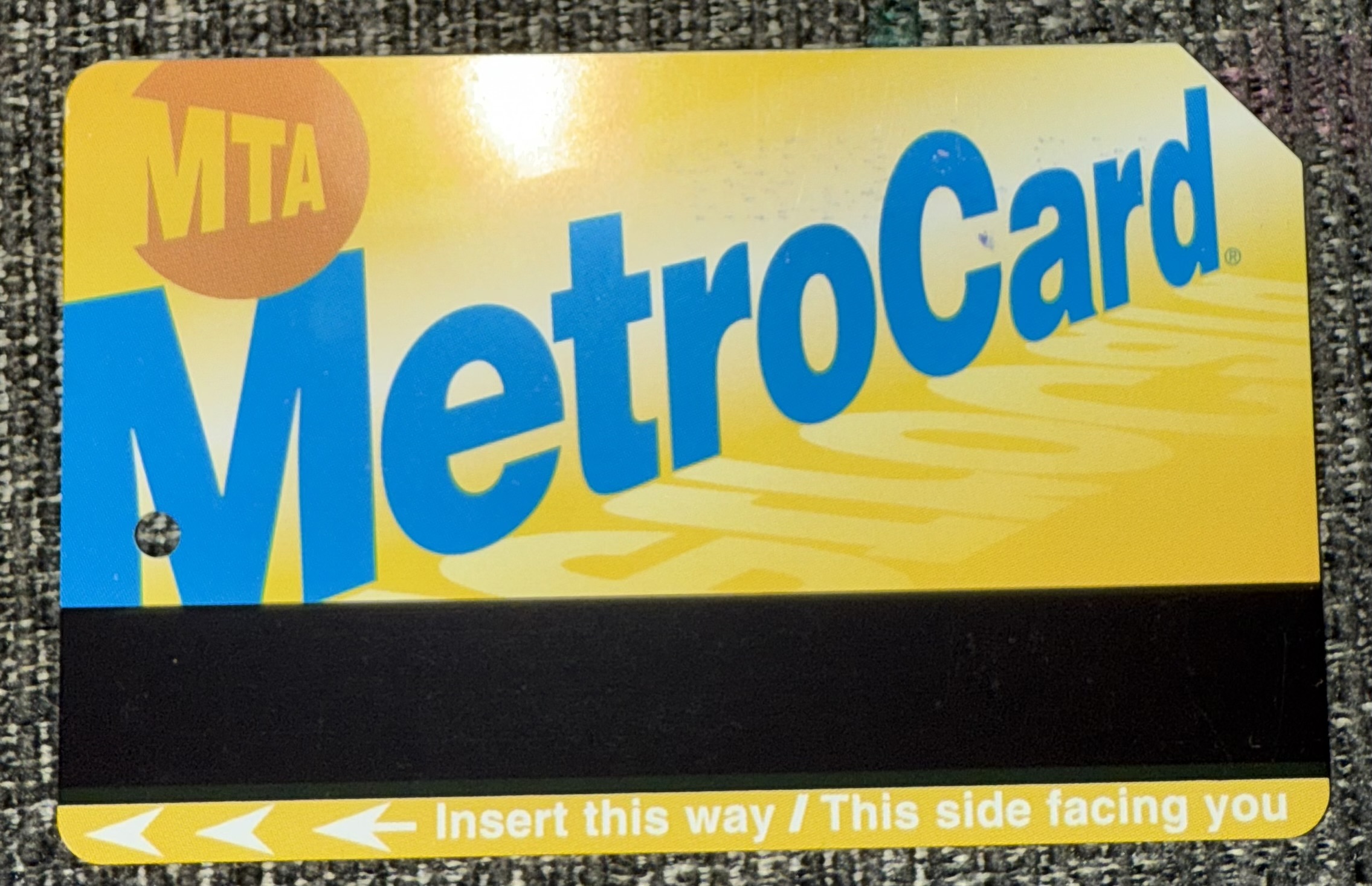
New Yorkers and visitors using the city’s subway and bus system will have one final opportunity to use the iconic MetroCard on New Year’s Eve. The Metropolitan Transportation Authority (MTA) will end MetroCard sales and distribution on December 31, 2025, completing the transition to its contactless tap-and-go fare payment system, One Metro New York, known as (OMNY). The move brings to a close more than three decades of the swipe-based fare system.
The tap-and-go system allows riders to pay fares using digital wallets, contactless credit and debit cards, or OMNY cards. Riders who prefer a physical card or wish to pay with cash can purchase an OMNY card for $1 and load or reload it at thousands of retail locations, online, at Mobile Sales Van locations, or at subway stations equipped with OMNY vending machines, according to an MTA statement.
“Mobile sales vehicles give riders a quick and easy way to make the switch to OMNY,” MTA Chief Customer Officer Shanifah Rieara said in a statement in November. “We want all customers to unlock the benefits of Tap and Ride technology – whether it’s the money-saving fare cap feature or all the time they’ll save tapping instead of swiping. With the MetroCard destined for the history books, OMNY is the way of the future.”
“Tap and Ride makes it even easier to ride the subway or bus,” said NYC Transit President Demetrius Crichlow. “These mobile sales vehicles are a great way to spread the word and get more New Yorkers signed up for so they can enjoy seamless transfers, compatibility with Access-A-Ride and our record on time performance.”
Mobile sales vehicles also provide assistance to riders seeking information about Tap and Ride, purchasing or refilling OMNY cards, applying for the Reduced-Fare program, or transferring remaining MetroCard balances to OMNY cards. While MetroCards will no longer be sold after December 31, the mobile sales vehicles will continue operating into 2026 to assist customers with OMNY-related services.
“After 32 years, it’s time to say goodbye to the MetroCard and go all in on the fare payment system of the future,” said MTA Chair and CEO Janno Lieber in a statement issued in March. “Tap-and-go – already the choice for 65% of our riders – is not only easier and more convenient to use, it also opens the door for new discounts and promotions that’ll put money back in riders’ pockets.”
“The tap-and-go system has greatly simplified how to use the MTA and navigate New York City,” Crichlow added. “Tap-and-go has become very popular among subway and bus riders, and for good reason – it is the fastest, easiest, and most convenient way to pay the fare and we encourage any remaining customers to make the switch as soon as possible for a seamless transition.”
“While there’s no doubt the MetroCard will remain an iconic New York City symbol, tap-and-go fare payment has been a game changer for everyday riders and visitors, saving them the guessing game on what fare package is most cost efficient for their travels and making using NYC’s transit system much easier,” Rieara said. “This is a prime example of how we’re leveraging new technology to modernize our systems and create a better customer experience.”
“Through better contracting and project management, MTA Construction & Development has saved time and money on a project designed to do the same thing for our customers,” said MTA Construction & Development President Jamie Torres-Springer. “We’re proud to deliver better, faster, and cheaper implementation of a more efficient and cost-effective system, and we look forward to a new era of even easier ways to access to transit for everyone.”
According to the MTA, transitioning fully to contactless payments creates opportunities for new promotions, tourist discounts, and the potential introduction of a loyalty program similar to frequent flyer programs. The contactless system is also expected to support fare compliance efforts by enabling the use of proof-of-payment technologies already employed in transit systems worldwide.
The agency noted that approximately $40 million in fare value from weekly and monthly MetroCards goes underutilized each year. With tap-and-go and fare capping, riders no longer need to prepay for multiple trips or forfeit unused value. The fare-capping feature ensures riders automatically receive free, unlimited rides for the remainder of the week once they have paid $34, or $17 for enrolled Reduced-Fare customers, equivalent to 12 trips.
The fare cap is reached nearly one million times each month, providing riders with more than $8 million in free trips monthly. To receive free transfers and fare capping benefits, customers must use the same card or device for all legs of their trip.
By ending MetroCard sales and consolidating fare collection into a single system, the MTA expects to save at least $20 million annually in costs related to MetroCard production and distribution, vending machine maintenance, and cash handling.
“Customers can begin their tap-to-ride journey using any contactless form of payment. With a customer satisfaction rate of 85%, New York City Transit customers are choosing contactless fare payment more and more,” the statement said. “More than 85% of regular fare customers and 55% of reduced-fare customers are now tapping with the OMNY system – overall, across all categories, 65% of riders are using the tap-and-go system.”
The tap-and-go fare technology is now available to Reduced-Fare, Fair Fares, Access-A-Ride, and pre-tax commuter benefit customers, as well as New York City students.
Related posts:
 Born in America, Reimagined for India: The 2025 Indian Scout Arrives
 Indian Panel Flags OCI Card Revocations, Pushes for NRI Voting Rights and Policy Reforms
 IPL Week 1: Vintage Virat Kohli and Rohit Sharma Shine; Rajasthan, Punjab, Delhi Impress; Chennai Struggles
 New Jersey Governor-elect Mikie Sherrill Nominates Priya Jain as Transportation Commissioner