
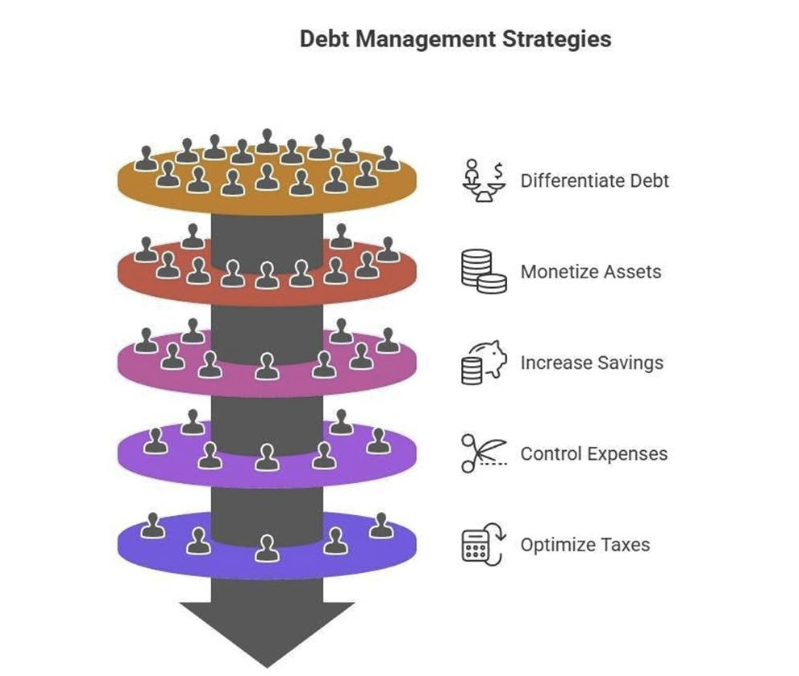
Debt is an integral part of modern life. Whether it is buying a home, purchasing a vehicle, funding higher education, starting a business, or even financing a vacation, borrowing has become commonplace. Used wisely, debt can help build wealth and improve quality of life. Used carelessly, it can become a major source of financial stress and limit long-term prosperity.
Understanding Good and Bad Debt
Not all debt is the same. The key is to distinguish between debt that creates value and debt that erodes wealth.
Good debt finances assets that appreciate or generate income. Examples include a home loan for a rental property, a business loan that expands operations, or an education loan that enhances future earning potential. Such borrowing, when managed prudently, can strengthen your financial position.
Bad debt, on the other hand, finances depreciating assets or short-lived consumption. Credit card debt used for discretionary spending, loans for luxury cars, or borrowing to fund vacations often create liabilities without generating future income. High interest costs can quickly turn these into long-term financial burdens.
Advertisement
The Cost of Unmanaged Debt
Excessive debt affects more than finances. It creates stress, reduces financial flexibility, and can derail long-term goals. Constant repayment pressure, late payment charges, and rising interest costs often leave families trapped in a cycle that becomes increasingly difficult to break.
As a rule of thumb, keep your debt-to-income ratio below 40 percent. If monthly debt repayments consume a larger share of your income, it is time to reassess your borrowing and spending habits.
Practical Ways to Reduce Debt
A disciplined approach can significantly accelerate debt repayment.
First, consider monetising investments that earn less than the interest you pay on borrowings. Holding an investment yielding 3 percent while servicing credit card debt at 18 percent rarely makes financial sense.
Next, dispose of idle assets such as unused jewellery or other valuables and direct the proceeds towards reducing high-cost debt.
As your salary or business income grows, increase your savings instead of your lifestyle. Channel every increment towards faster debt repayment.
Equally important is controlling expenses. Track spending carefully, eliminate unnecessary expenditure, and redirect the resulting surplus to outstanding loans.
Review your tax planning as well. Legitimate tax optimization strategies can generate additional savings that may be used to reduce debt.
Maintain adequate liquidity for emergencies, but avoid keeping excessive idle cash while paying high interest on loans. If possible, refinance expensive borrowings with lenders offering lower interest rates or better repayment terms.
Finally, examine major household expenses such as housing, transport and food. Even modest savings across these categories can substantially improve your repayment capacity.
Managing the Risks
Even good debt carries risks. Job loss, business setbacks, poor health or disability can disrupt repayment plans. Adequate health and life insurance therefore become essential components of responsible debt management. Borrow only after considering your ability to service repayments under adverse circumstances.
Lessons from Real Life
Consider three common situations. Ramesh steadily repaid his home loan by making regular additional payments, building valuable equity and achieving financial security ahead of schedule.
Priya accumulated large credit card balances through lifestyle spending. Only after consolidating her debt, preparing a disciplined budget and seeking professional guidance did she regain financial control.
Suresh borrowed heavily to expand his business, but unforeseen market changes affected revenues, leaving him unable to service the loan. His experience underscores the importance of balancing ambition with prudent risk assessment.
The Bottom Line
Debt is neither inherently good nor bad; its impact depends on how it is used and managed. Borrowing that creates productive assets can accelerate wealth creation, while borrowing for consumption can weaken financial stability.
The path to financial freedom lies in disciplined spending, strategic debt reduction, and careful risk management. Working with a competent personal finance advisor can help you develop a customised debt repayment strategy, optimise cash flows, and build a stronger financial future with greater peace of mind.
Disclaimer: The opinions and views expressed in this article/column are those of the author(s) and do not necessarily reflect the views or positions of South Asian Herald.