India has laid the legal groundwork to prohibit imports of goods made with forced labor, aligning its trade policy more closely with emerging global standards as major economies tighten scrutiny of supply chains and labor practices.
The Directorate General of Foreign Trade (DGFT), through Notification No. 23/2026-27 issued on July 13, has amended the Foreign Trade Policy to prohibit the import of goods produced, wholly or partly, using forced labor. The new provision will come into force 30 days after its publication in the Official Gazette.
The notification does not immediately ban imports from any country or product category. Instead, it establishes a legal mechanism that allows the government to prohibit specific goods in the future after investigations by the DGFT determine that forced labor has been used in their production.
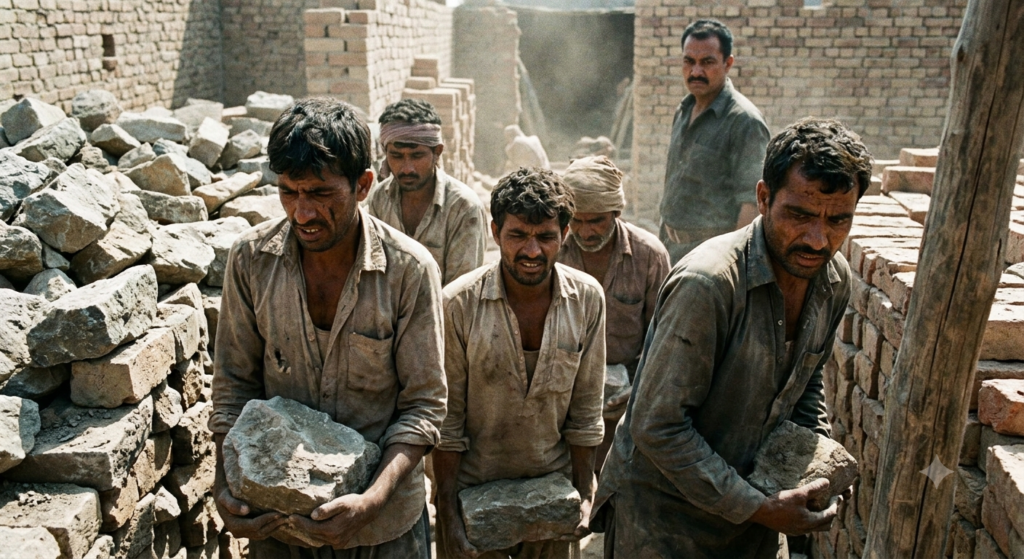
The amended policy adopts the International Labor Organization’s definition of forced labor as work or service extracted from a person under the threat of a penalty and performed without voluntary consent.
Advertisement
Trade experts said the move represents a significant policy shift, creating a framework for future enforcement rather than imposing immediate restrictions.
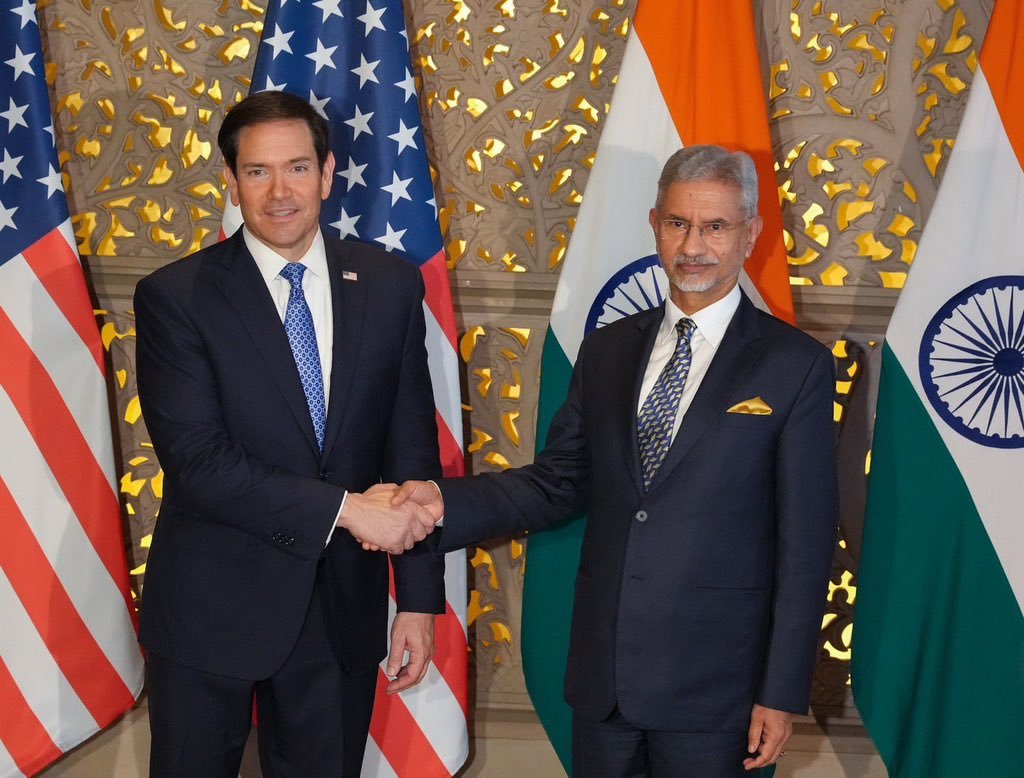
The development comes amid heightened international efforts to eliminate forced-labor products from global supply chains. The United States has launched Section 301 investigations covering around 60 economies, including India, while proposing a 12.5% tariff on imports from India and most other countries under review. According to trade experts, the European Union and Pakistan are proposed to face a lower 10% tariff after introducing domestic measures to prohibit imports made using forced labor.
Against this backdrop, India’s latest notification is expected to strengthen its domestic regulatory framework and could improve its position in future trade negotiations and market-access discussions with key partners.
Globally, products such as cotton, textiles, solar-panel polysilicon, seafood, metals, batteries and electronics have been identified as sectors vulnerable to forced-labor risks, particularly in supply chains linked to China’s Xinjiang region. However, major economies continue to import significant volumes of such products, highlighting the practical challenges of enforcing forced-labor regulations across complex international supply chains.
Ajay Srivastava, founder of the Global Trade Research Initiative (GTRI), said the notification was a “sensible first step” but cautioned that its success would ultimately depend on implementation.
“The real challenge is proving that a product is made with forced labor when production spans multiple countries and opaque supply chains,” Srivastava said. “The U.S. and the EU themselves continue to import significant volumes of products from China in sectors where forced-labor concerns have been raised, highlighting the practical and political limits of such measures.”
He said India should focus on developing robust traceability and due-diligence systems that safeguard legitimate trade while ensuring that forced-labor provisions do not become arbitrary non-tariff barriers.
Industry observers said the effectiveness of the new framework will depend on how investigations are conducted, the evidentiary standards adopted by the government, and the range of products eventually brought under import restrictions.