Join WhatsApp Channel

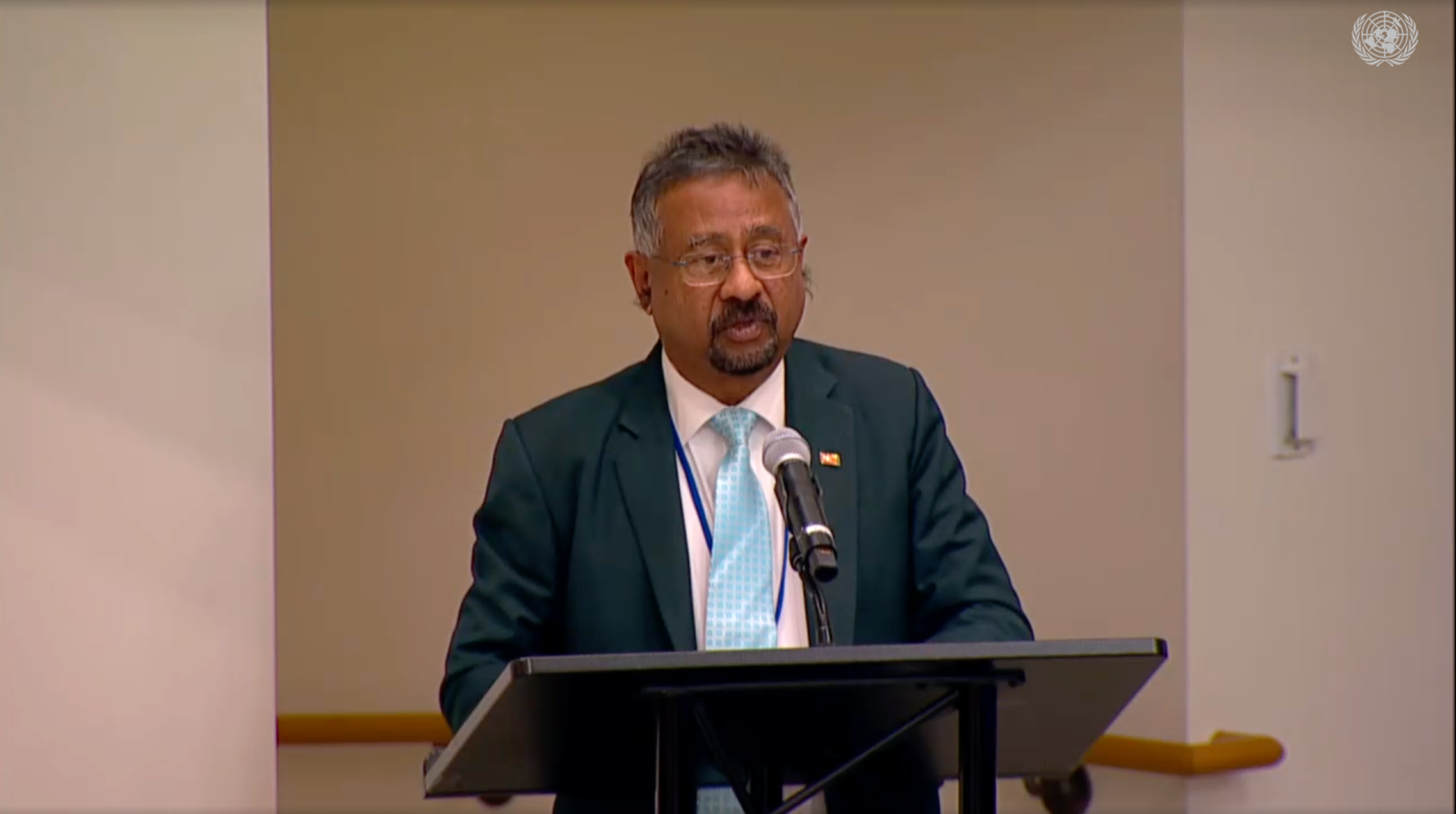
Sri Lanka called for stronger international cooperation on pandemic preparedness and development financing during two high-level meetings at the United Nations General Assembly in New York.
At a September 25 meeting on pandemic prevention, preparedness and response, Sri Lanka’s Permanent Representative to the United Nations, Jayantha Jayasuriya, outlined the country’s efforts to strengthen disease surveillance and public health systems.
“Sri Lanka is strengthening pandemic preparedness through the implementation of its National Action Plan for Health Security, adopting a multi-ministerial, whole-of-government approach while strengthening engagement with relevant sectors and stakeholders through a whole-of-society approach, workforce preparedness and a One Health approach,” Jayasuriya said.
He said Sri Lanka’s public health services had grown into a nationwide network since the establishment of what he described as South Asia’s first field health unit. He also cited the country’s efforts to remain free of malaria since 2012.
Jayasuriya called for renewed international commitments to technology transfer and research and development through cooperation between developed and developing countries. He also urged greater transparency across the health sector to improve access to procurement and reduce barriers to sustainable health solutions.
As Sri Lanka marks the centenary of its Public Health Service, Jayasuriya emphasized the connection between “debt sustainability and health security financing.” He called for reforms to the international financial system that address both concerns.
Pandemic prevention, preparedness and response require collective action, solidarity and shared responsibility, he said, reaffirming Sri Lanka’s commitment to protecting public health worldwide.
At a separate September 23 meeting commemorating the 40th anniversary of the Declaration on the Right to Development, Jayasuriya reaffirmed Sri Lanka’s commitment to advancing that right at home and internationally.
He said the country’s recovery from its 2022 economic crisis had unfolded amid continuing global pressures and the effects of Cyclone Ditwah. Despite those challenges, Sri Lanka remained committed to its development agenda, he said.
Jayasuriya highlighted education as a means of expanding opportunity and supporting inclusive economic growth. He pointed to Sri Lanka’s “Transform Education, Transform Sri Lanka” reforms, which aim to widen vocational pathways and equip young people with skills suited to a changing economy.
International cooperation is also needed to create conditions that support development, he said. He called for reform of the “international financial architecture, equitable access to concessional financing, greater technology sharing, and efforts to bridge the digital divide, while adapting development practices to an evolving global environment.”
Jayasuriya expressed Sri Lanka’s support for an International Covenant on the Right to Development, saying countries cannot secure the conditions necessary for development through national efforts alone.
Heads of state and government, ministers and permanent representatives of UN member states attended the two meetings during the General Assembly’s high-level week.