Join WhatsApp Channel

The American Association of Physicians of Indian Origin (AAPI), the nation’s largest ethnic medical organization, has raised concerns about proposed changes in the Centers for Medicare & Medicaid Services’ (CMS) calendar year 2027 Medicare Physician Fee Schedule, warning that the policy could reshape how physicians provide care and how patients access medical services.
When CMS released the proposed rule in July, physicians across the country expressed immediate concern. For AAPI, the proposal represents more than a technical payment adjustment. The organization described it as a turning point for physician practices and patient care.
At the center of the debate is a proposed payment reduction for services performed on the same day as an office or outpatient evaluation and management visit. CMS would reduce payments by 50 percent for additional same-day services, including biopsies, joint injections, lesion removals and minor procedures with zero-, 10- or 90-day global periods.
Under the proposal, CMS would reimburse the highest-valued service at 100 percent and pay half for additional services, regardless of “specialty, clinical context, or medical necessity,” according to an AAPI statement.
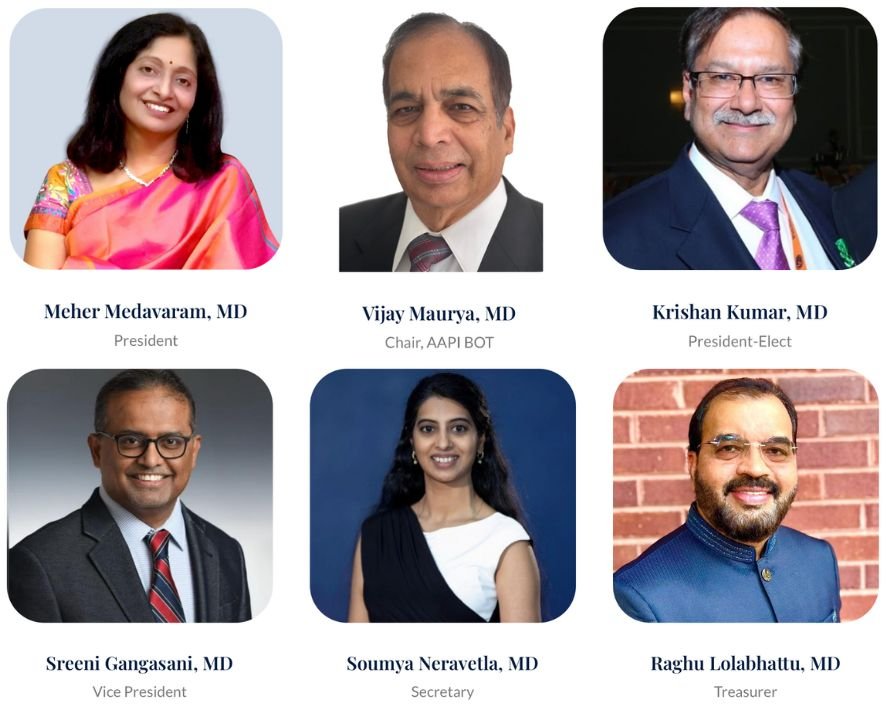
AAPI President Dr. Meher Medavaram called the proposal “a fundamental misunderstanding of how care is delivered in real clinical settings.”
“A 50% across-the-board cut is not a correction. It is a presumption of duplication applied to every physician, in every specialty, without evidence,” Medavaram said.
CMS maintains that same-day care can create efficiencies that may result in duplicated work. However, AAPI and the American Medical Association contend that the existing Relative Value Scale Update Committee valuation process already accounts for overlapping tasks between evaluation and management visits and procedures.
The organizations argue that the proposed policy is not a targeted adjustment but a broad payment reduction affecting physicians across specialties. AAPI also said CMS has not presented data demonstrating widespread duplication of work. Instead, the organization contends that the proposal assumes duplication and applies the reduction universally.
“This proposal does not create efficiency. It creates exits: physicians reducing services, limiting Medicare panels, or closing practices,” Medavaram said.
CMS examples indicate that reimbursement for some services could fall below direct practice expenses, according to AAPI. The organization warned that the financial consequences could be particularly severe for small and solo practices, including many operated by AAPI physicians.
The proposal comes as a temporary 2.5 percent congressional payment increase is scheduled to expire at the end of 2026. AAPI said physicians could therefore face lower reimbursement even before the proposed reduction takes effect. Rising staffing expenses, supply costs and investments in technology are adding to the financial pressure on medical practices.
The proposed change could have a significant effect on dermatology, otolaryngology, podiatry, colorectal surgery and hand surgery, among other specialties in which physicians routinely evaluate and treat a condition during the same appointment.
AAPI warned that the policy could prompt physicians to separate evaluations and procedures into different appointments. Patients, particularly those in rural communities, could consequently face two trips, two copayments and additional delays in receiving treatment.
“Physicians should not be penalized for doing in one visit what would otherwise take two,” Medavaram said.
Dr. Vijaya Maurya, chair of the AAPI Board of Trustees, said the organization’s members work in a range of clinical settings.
“AAPI members practice in solo offices, academic centers, and rural regions where they may be the only specialist within an hour’s drive. In these communities, same-day care is not a convenience. It is a lifeline,” Maurya said.
Dr. Krishan Kumar, president-elect of AAPI, similarly emphasized the potential consequences for patients.
“Our members practice in every specialty and nearly every state, in academic centers, in solo offices, and in rural communities where we are often the only specialist within an hour’s drive,” Kumar said. “Fair physician payment is not a physician issue. It is a patient access issue.”
AAPI is urging CMS to withdraw the proposed policy and consider targeted alternatives supported by evidence. The AMA has made a similar request, with both organizations maintaining that changes to physician payments should be based on data rather than assumptions.
“We must protect the physicians who care for our communities so they can continue to be there for the patients who depend on them,” Medavaram said.
CMS is required to review and respond to substantive public comments on the proposal. AAPI is mobilizing physicians nationwide to submit individualized comments before the September 14, 2026, deadline.
“Fifteen minutes of your time is worth more here than any statement we can issue on your behalf,” the organization told its members.
AAPI is encouraging physicians to provide examples of same-day care, explain the financial effects of the proposed reduction and describe its potential consequences for patient access. The organization is also urging members to contact their representatives and senators to share their concerns about the proposed 2027 Medicare Physician Fee Schedule.
“AAPI stands with our physicians. AAPI stands for our patients,” Medavaram said.
Related posts:
 Indian-American Doctors Urge U.S. Lawmakers to Address Medicare Cuts, Green Card Delays, and Physician Shortages
 AAPI Launches Humanitarian Appeal for Nepal Disaster Relief
 Sunil Gavaskar Supports AAPI Stem Cell Donor Drive to Expand Registry for Blood Cancer Patients
 AAPI, IMA Unite to Advance Global Healthcare Partnership