Join WhatsApp Channel

India’s decision to roll out a fully digital Overseas Citizen of India (e-OCI) Card marks a significant shift in how New Delhi engages with its 5-million-strong global diaspora, signaling a move beyond administrative reform towards technology-driven diaspora governance that could redefine cross-border citizen services in the years ahead.
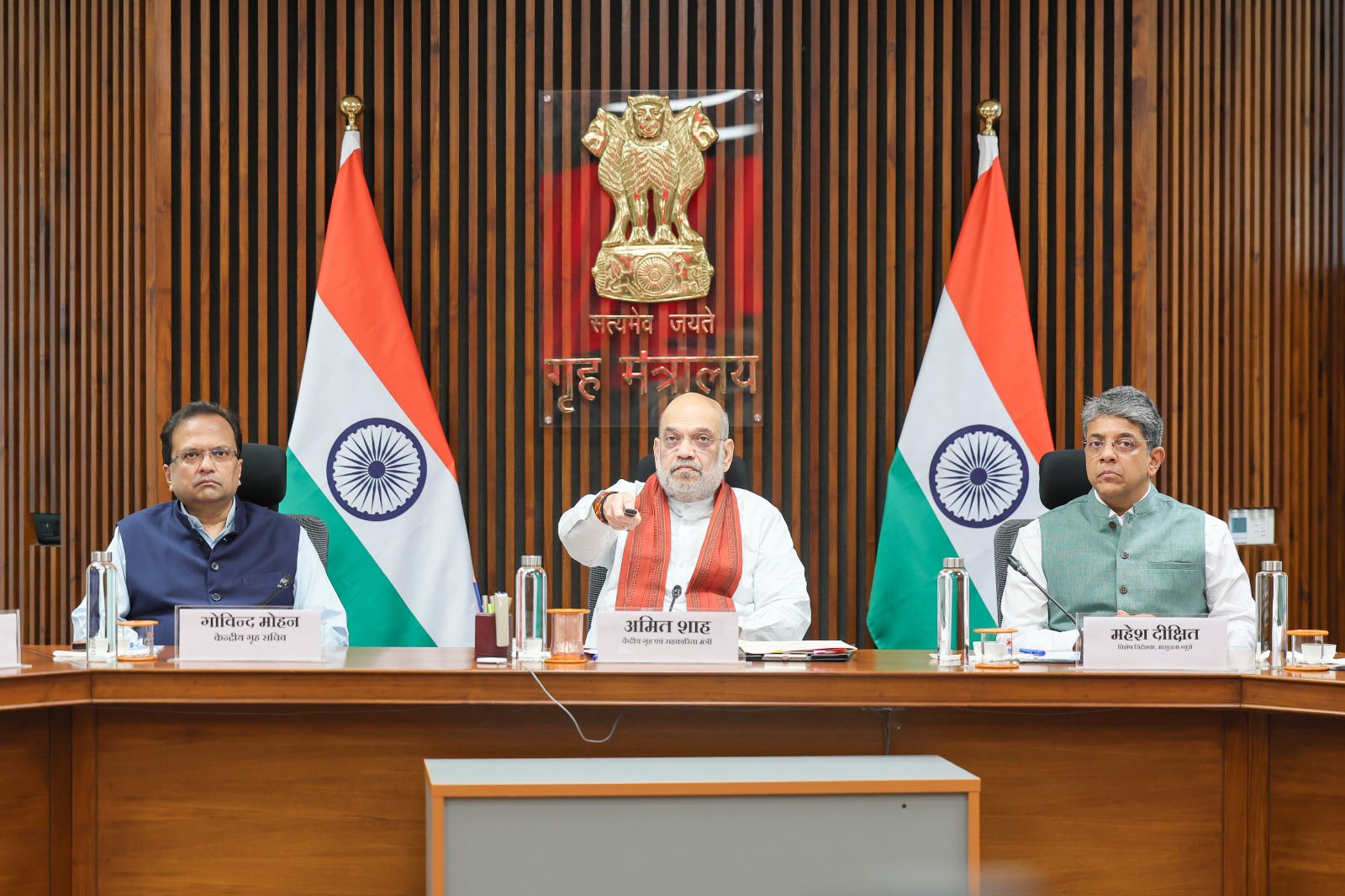
Launched by Union Home Minister Amit Shah alongside the upgraded FCRA 2.0 portal, the e-OCI Card replaces a largely paper-based system with an end-to-end digital platform, allowing eligible Overseas Citizen of India (OCI) cardholders to apply, receive and manage their OCI credentials electronically. While presented as a citizen-centric initiative aimed at reducing paperwork and improving convenience, the transition also reflects the government’s broader strategy of integrating immigration, identity management and digital public infrastructure.
The reform arrives at a time when India is increasingly looking to leverage its overseas community as an economic, technological and diplomatic asset. With one of the world’s largest diasporas spread across North America, Europe, the Gulf and the Asia-Pacific, simplifying access to OCI services is expected to strengthen long-term engagement with professionals, investors, entrepreneurs and families maintaining ties with India.
One of the most consequential changes is the removal of the requirement for OCI cardholders above the age of 20 to obtain a fresh physical OCI booklet every time a new passport is issued. Instead, users will simply update passport details online while retaining the same digital identity. The move eliminates one of the most persistent procedural irritants faced by overseas Indians and substantially reduces dependence on Indian missions abroad for routine documentation.
The digital card will also allow applicants to complete the entire process online—from application and document uploads to approval and download of the e-OCI—without physical visits in most cases. Officials say the system is expected to reduce processing time, minimize administrative costs and improve data accuracy through digital verification.
Beyond convenience, the initiative represents a broader evolution in India’s digital governance model. The e-OCI platform is expected to integrate more closely with immigration databases and identity verification systems, enabling faster authentication at airports and other points of entry. Over time, such integration could pave the way for seamless cross-border mobility services, digital identity verification and improved delivery of consular services.
The reform also carries strategic significance. As countries increasingly compete to attract investment, skilled professionals and innovation networks from their overseas communities, digital access to government services is becoming an important component of diaspora policy.
By modernizing OCI administration, India is signaling that engagement with its global community will increasingly be driven through secure digital platforms rather than traditional paperwork-intensive processes.
Policy experts believe the initiative could eventually be linked with a wider range of digital services, including consular support, emergency assistance, investment facilitation and document authentication. If integrated with India’s expanding Digital Public Infrastructure architecture, the e-OCI ecosystem may evolve into a comprehensive digital gateway for overseas Indians seeking to interact with government agencies.
The transition, however, will also require careful implementation. Cybersecurity, protection of personal data and interoperability across immigration authorities, airlines and Indian diplomatic missions will be critical to ensuring that the digital system functions smoothly. During the initial phase, many OCI holders are likely to continue carrying physical booklets until international stakeholders fully adapt to digital verification mechanisms.
Nevertheless, the direction of travel is clear. As governments worldwide embrace digital identity systems, India’s e-OCI initiative positions the country to modernize one of its most important channels of engagement with the diaspora. If executed effectively, it could become more than a technological upgrade, serving instead as the foundation for a more connected, efficient and responsive relationship between India and millions of overseas Indians in the decades ahead.