Join WhatsApp Channel

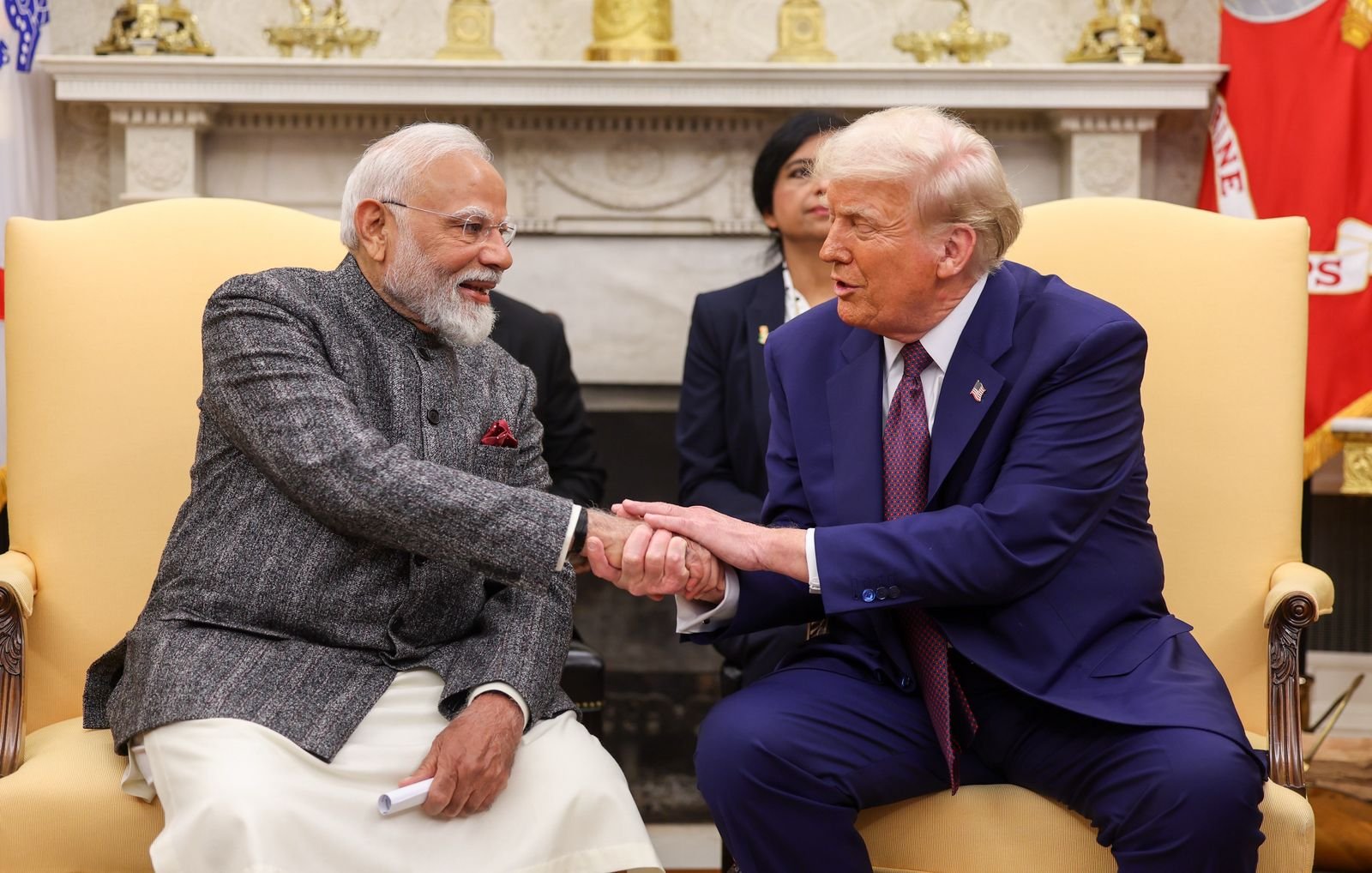
India and the United States are heading into a pivotal round of trade negotiations this week, with New Delhi facing growing pressure to decide whether to pursue a bilateral trade agreement amid mounting uncertainty over Washington’s tariff policies and shifting strategic priorities.
The issue is expected to dominate discussions during U.S. Trade Representative Jamieson Greer’s June 23-24 visit to India, as both sides seek to advance negotiations launched last year. However, a new report from the Global Trade Research Initiative (GTRI) argues that the economic logic underpinning the proposed agreement has weakened significantly following legal and policy changes in the United States.
At the center of the debate is the future of U.S. tariff policy. A February ruling by the U.S. Supreme Court struck down the legal basis for the reciprocal tariffs that formed a key element of Washington’s negotiating offer to India. While the United States temporarily replaced those measures with a 10% tariff under Section 122 of the Trade Act of 1974, that authority is set to expire on July 24, potentially returning most imports to normal World Trade Organization most-favored-nation tariff rates.
As that deadline approaches, trade experts say the focus will shift to ongoing Section 301 investigations launched by the U.S. Trade Representative covering about 60 economies, including India. Washington has already proposed additional tariffs on imports from dozens of countries under one of those investigations, with final decisions expected in the coming weeks.
The outcome could shape the next phase of India-U.S. trade relations. If new tariffs are imposed, New Delhi may face renewed pressure to conclude a trade deal in exchange for lower duties. If the measures are softened or delayed, India could gain more room to negotiate on its own terms.
According to GTRI, India is being asked to consider long-term commitments in areas ranging from agriculture and digital trade to energy, defense equipment and advanced technologies at a time when the principal U.S. tariff concession originally offered during negotiations no longer exists. The report argues that policymakers should carefully assess whether the economic benefits of a deal outweigh the costs of permanent market-access commitments.
The coming months are also likely to test broader assumptions about the strategic relationship between the world’s two largest democracies. As Washington recalibrates its approach toward China and increasingly prioritizes economic interests, analysts expect trade and market access issues to play a larger role in bilateral engagement than geopolitical considerations.
For India, the challenge will be balancing export opportunities in its largest trading market with the need to preserve policy flexibility at home. With the July tariff deadline approaching and key U.S. decisions expected later this summer, the next few weeks could determine not only the future of the proposed bilateral trade agreement but also the direction of India-U.S. economic ties in the years ahead.