Join WhatsApp Channel

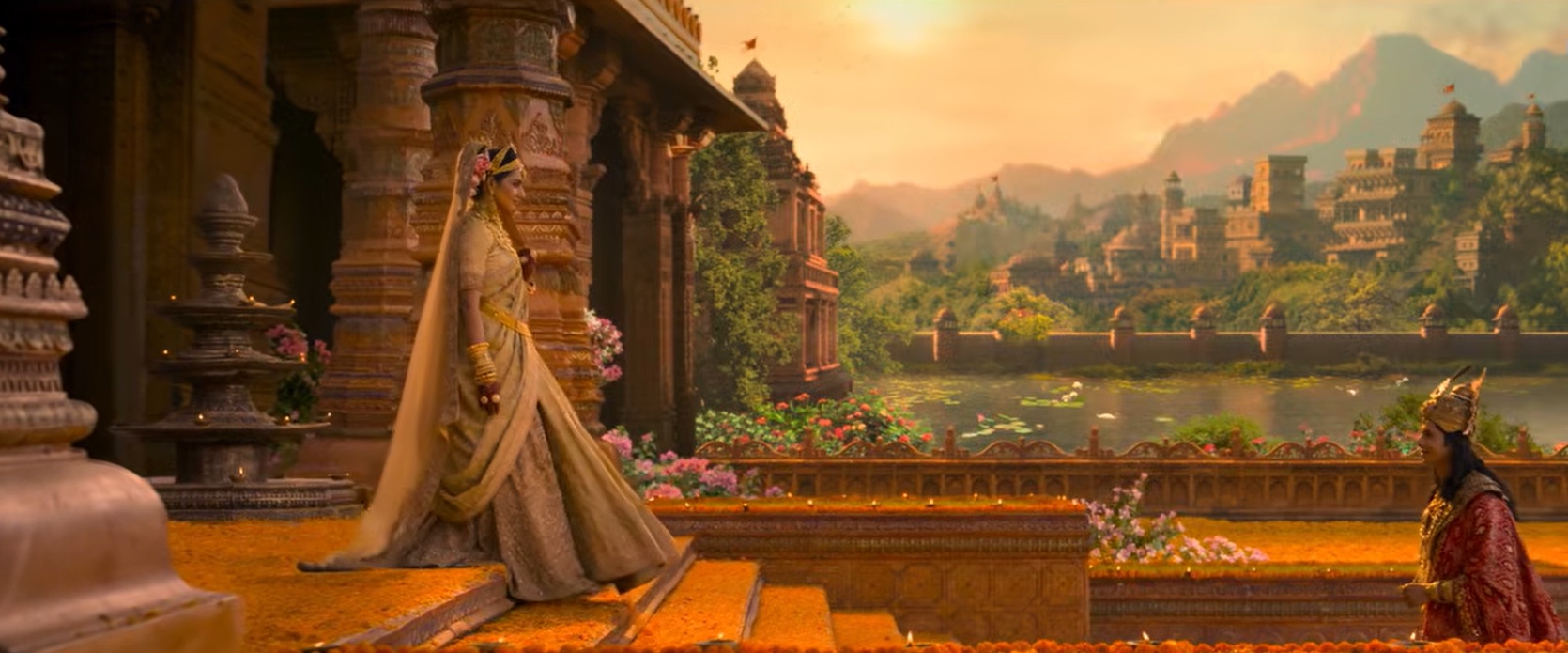
On massive public demand, the makers of Krishnavataram Part 1: Hridayam unveiled Mann ki dasha, the most ethereal wedding celebration of Shri Krishna and Rukmini as yet seen on the big screen.
The film is steadily turning into a cultural and devotional phenomenon across the globe. It has transformed theatres into spaces of celebration and devotion, with audiences chanting, dancing, growing emotional and immersing themselves in the cinematic retelling of Lord Krishna’s journey. With its visuals, uplifting storytelling and powerful performances, the film has struck a deep chord with viewers worldwide.
Now, responding to overwhelming public demand, the makers have unveiled Mann ki dasha, one of the most loved and awaited songs from the film. Far more than just a wedding song, it is rooted in devotion, destiny and eternal love, and beautifully captures the sacred union of Krishna and Rukmini with breathtaking scale, emotional depth and cinematic grandeur.
Ever since the film’s release, audiences across social media have been demanding the full release of the song, with many calling the sequence one of the most visually stunning and emotionally-moving moments from the film. From its soul-stirring music and mesmerizing visuals to its deeply spiritual essence, Mann ki dasha transports audiences into a world where faith, love and divinity come together seamlessly.
The Hindi version of the song has been sung by Shreya Ghoshal, with lyrics penned by Irshad Kamil and music composed by Prasad S. The Tamil version features vocals by Haripriya with lyrics by Naveen Bharathi, while the Telugu version has been sung by Sireesha Bhagavatula with lyrics by Phanideep Viswanadha (Viswadeep’s Collective).
Directed by Hardik Gajjar, the film is presented and produced by Sajan Raj Kurup and Shobha Sant under Creativeland Studios Entertainment, along with Poonam Shroff and Parth Gajjar of Athashrikatha Motion Pictures.
Conceived as the first chapter of a three-part cinematic franchise, Krishnavataram Part 1: Hridayam is currently playing successfully in theatres worldwide.
The film is also released in Tamil and Telugu.
Devotional and religious films that have made a deep impact on the audiences over the decades include Ram Rajya (the third biggest hit of 1943), Jai Santoshi Maa (next only to Sholay in 1975), Shirdi Ke Sai Baba (1977) and last year’s originally Telugu Mahavatar Narsimha, which netted over 16 times its production budget and remains the highest-grossing animation film in India. While that film is part of a planned seven-part animated Mahavatar Cinematic Universe, based on the ten incarnations of Lord Vishnu, Krishnavataram Part 1: Hridayam is the first of a planned trilogy.